Home Lighting Design Tips That Work in Every Room

Good lighting can change how a room looks, feels, and functions. A thoughtful home lighting design considers what you do in each space, where light is needed most, and how different fixtures can work together throughout the day.

The right lighting plan is rarely about one fixture doing all the work. By combining ambient, task, and accent lighting with natural light, you can create rooms that feel comfortable, practical, and suited to the way you use your home.

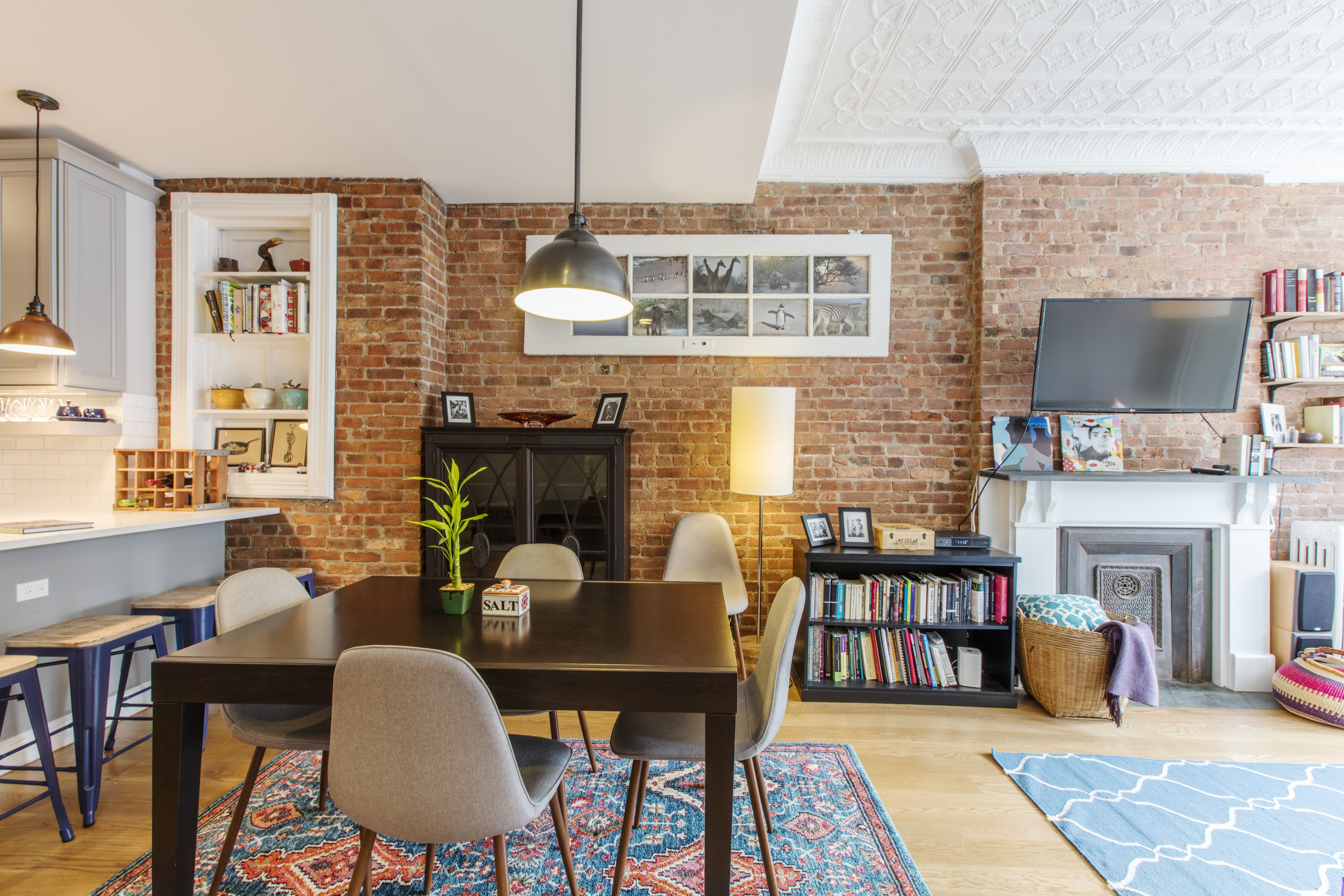
Park Slope home lighting design pairs illuminated dining and kitchen pendants with exposed brick, restored ceiling detail, and open-plan living.
(Above) Layered lighting helps define the dining, kitchen, and living zones while giving this renovated Park Slope home a warm, connected feel.

Key takeaways

  • Most rooms work best with layered lighting that combines ambient light for overall brightness, task lighting for specific activities, and accent lighting for visual depth.
  • Fixture placement matters as much as fixture type, since poorly positioned lights can create glare, unwanted shadows, or uneven illumination.
  • Dimmers, color temperature, and natural light should be considered together so each room can adjust comfortably from daytime use to evening activities.
  • For larger renovation projects, an experienced general contractor can help coordinate lighting locations with cabinetry, walls, ceilings, room layouts, and other planned finishes.

How home lighting design works

Before choosing fixtures, think about the different jobs lighting needs to perform. Most rooms benefit from several layers of light rather than relying on a single overhead source.

Ambient lighting provides the room’s general illumination. Ceiling fixtures, recessed lighting, pendants, and other broad light sources often fill this role.

Task lighting focuses light where you need it for a specific activity. That might mean a desk lamp in a home office, under-cabinet lighting in a kitchen, or a bedside lamp for reading.

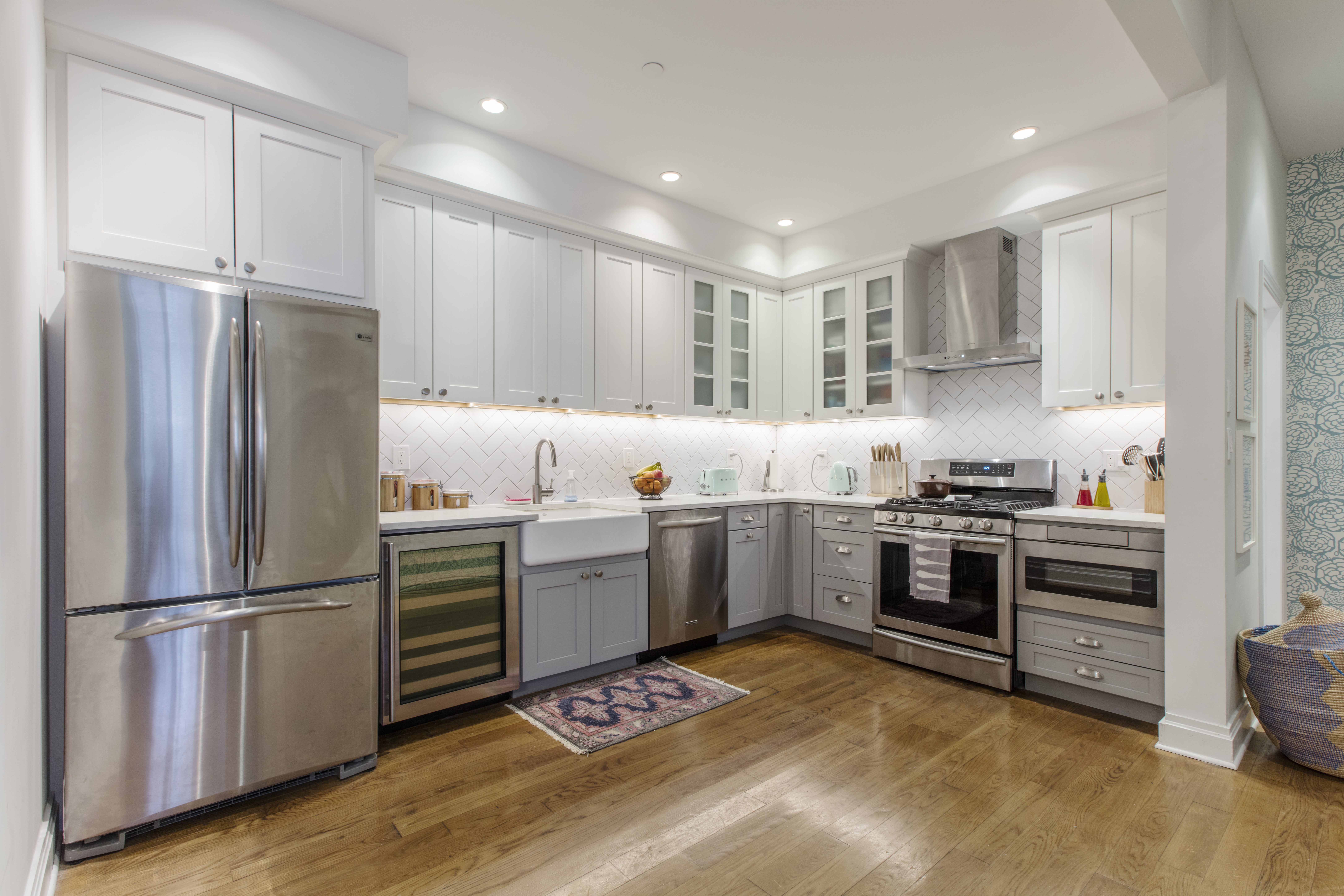
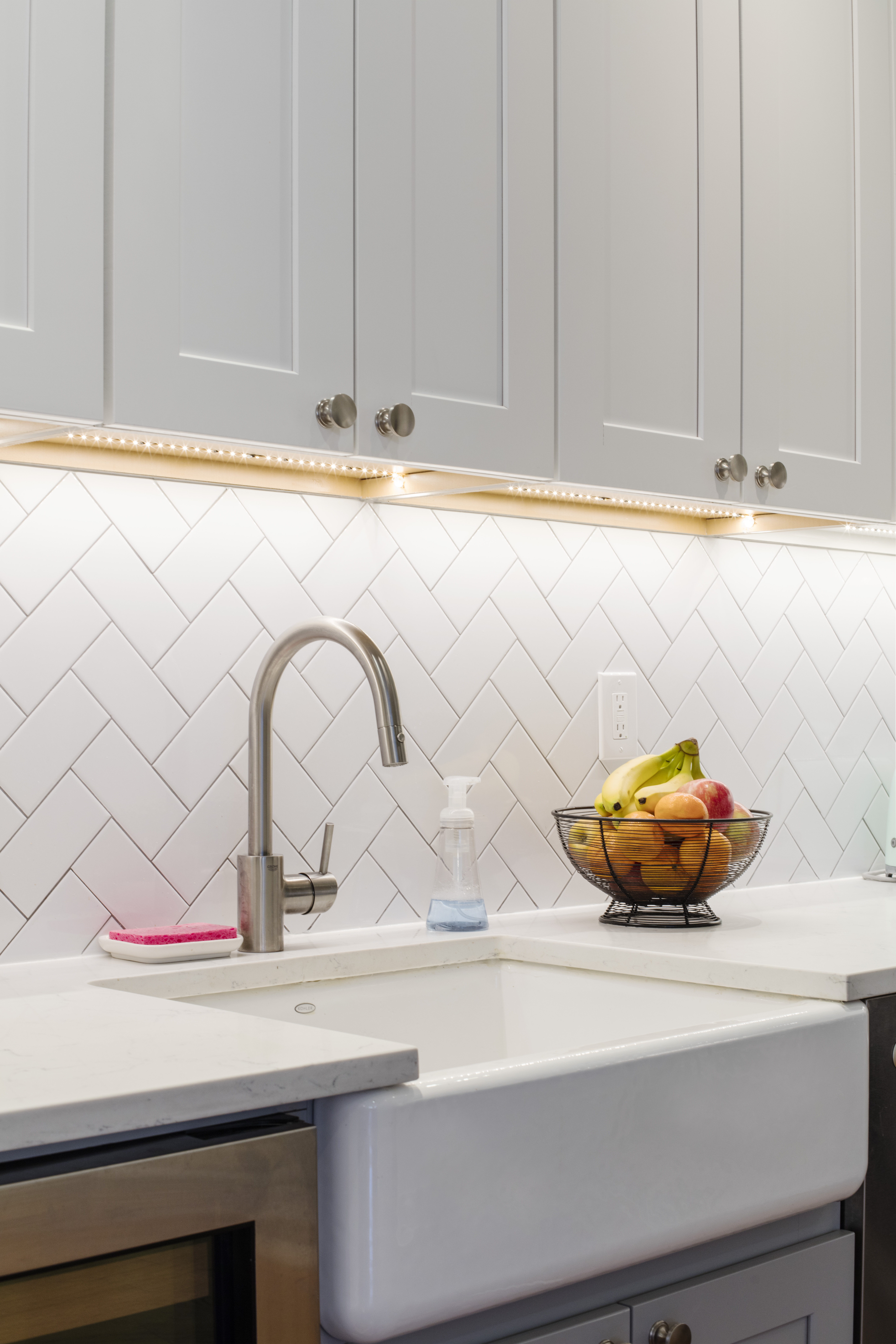
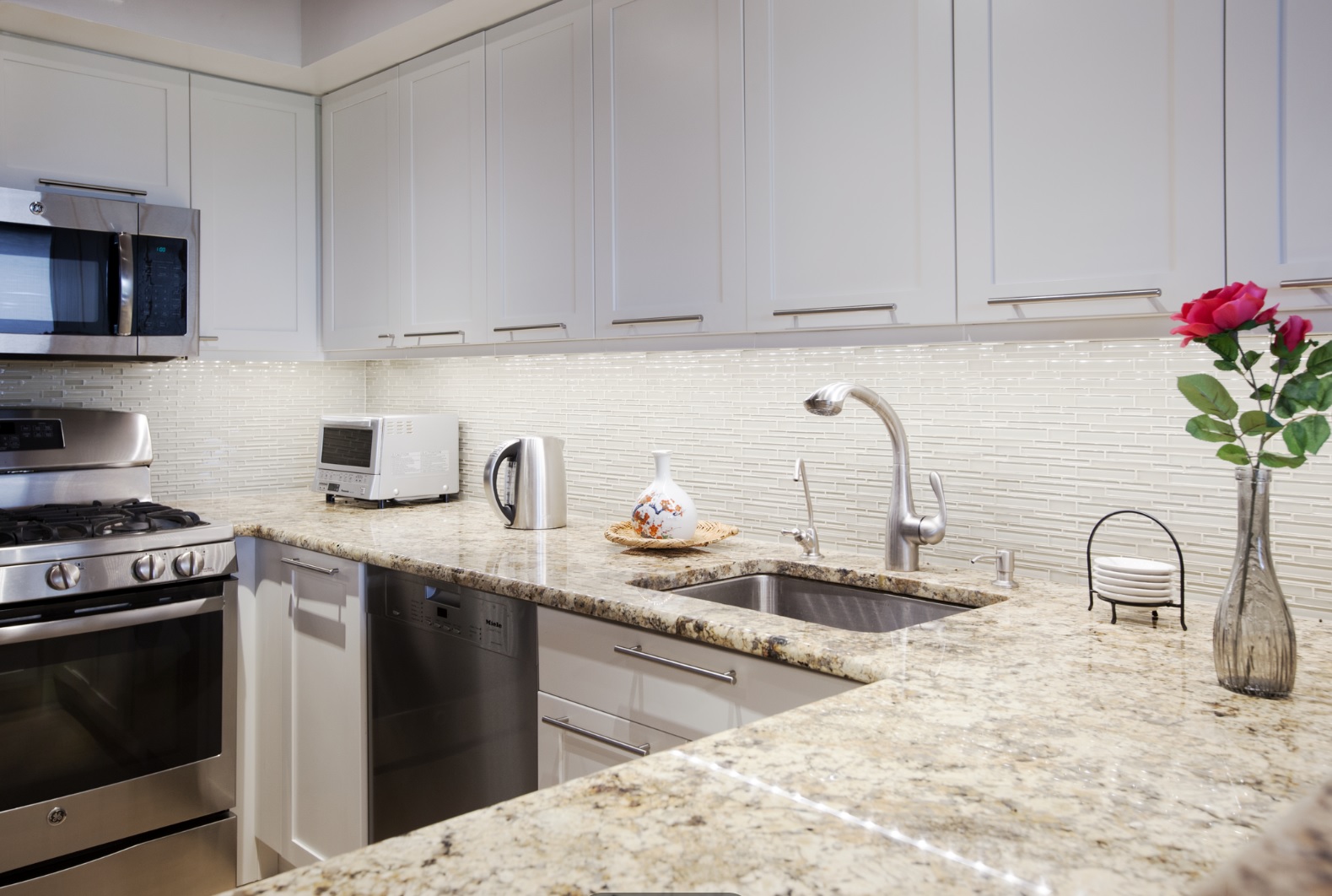
Under-cabinet lighting provides focused illumination across kitchen countertops, helping brighten prep areas and the items placed along the work surface. It can also add a softer layer of light beneath cabinetry, making the kitchen feel more dimensional without relying only on overhead fixtures.

Natural light is another part of the overall lighting plan. Windows can provide much of the illumination a room needs during the day, while fixtures take over or supplement that light as conditions change.

As you plan your lighting design, also consider brightness, color temperature, fixture placement, and dimmers. These details help determine not only how clearly you can see, but also how comfortable the room feels.

Entryway: Create a warm welcome

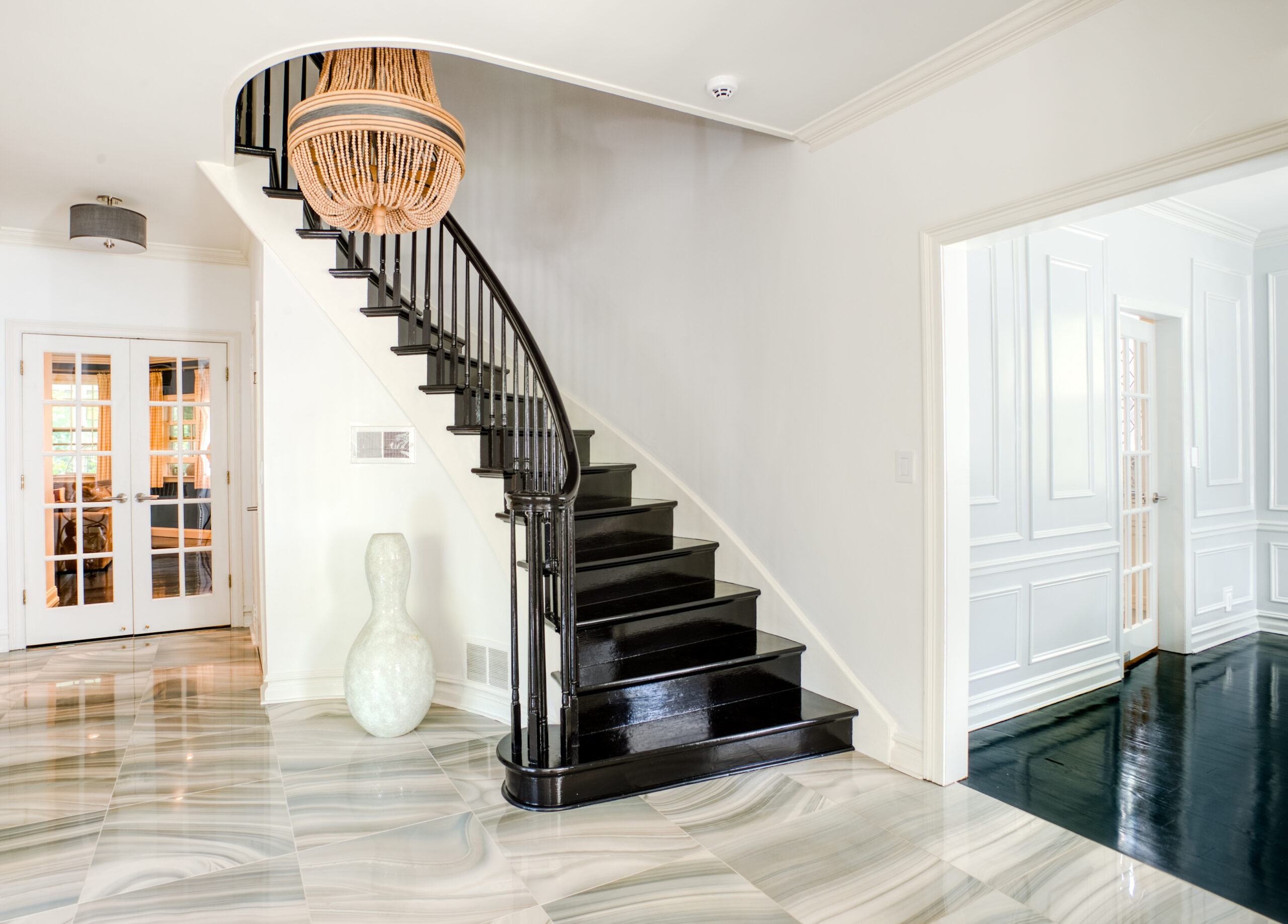
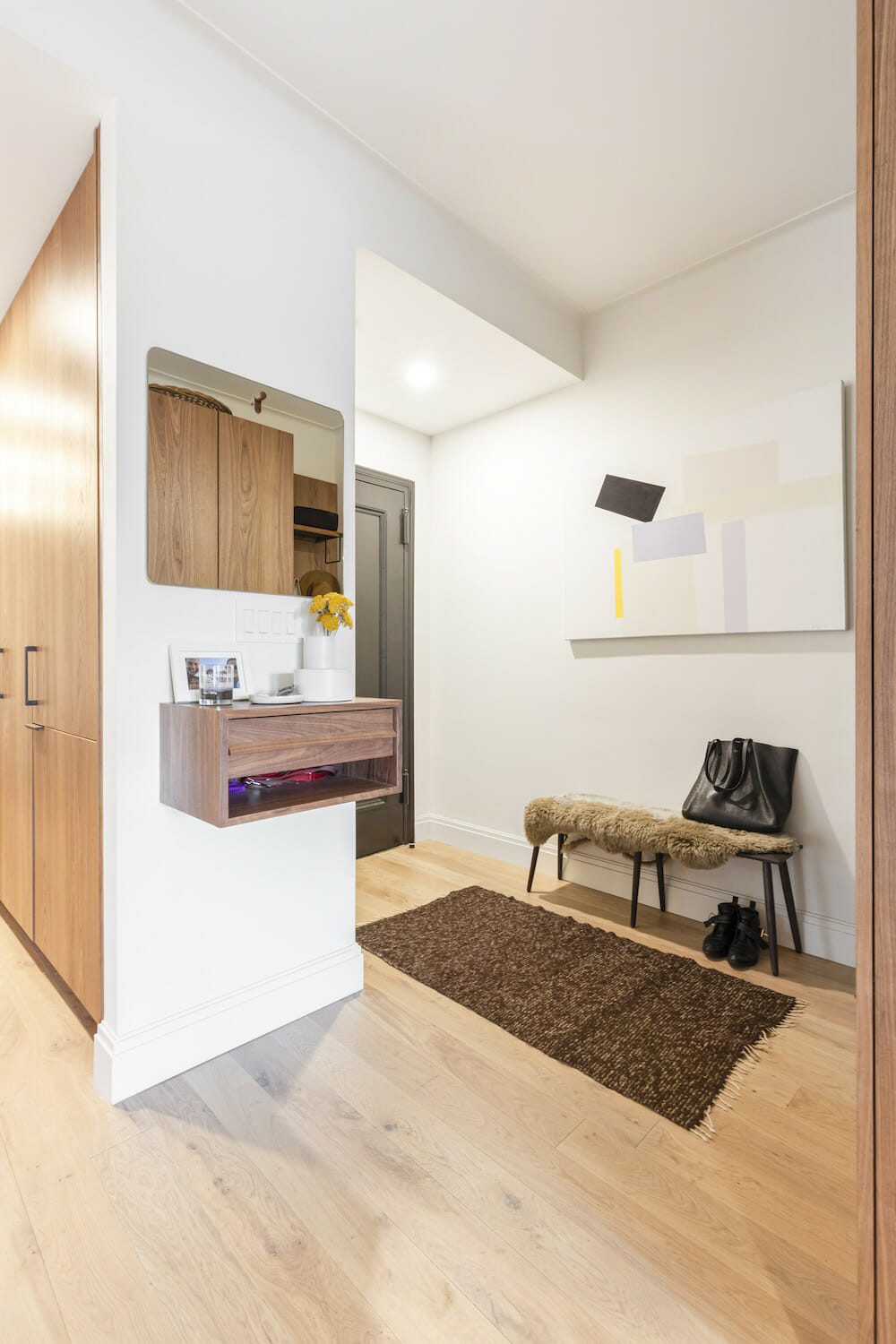
The entryway sets the tone for the rest of your home, and lighting plays a big part in that first impression. A pendant or chandelier can serve as a central fixture while adding visual interest to the space.

Recessed lighting can provide even, unobtrusive illumination throughout an entryway without competing with the surrounding design. It can also help keep the space feel open and visually uncluttered, which is especially useful in entryways where sightlines often connect directly to nearby rooms.

Combining more than one source gives you flexibility. The result can be an entryway that feels bright enough when you come home while still feeling comfortable rather than overly lit.

If the entryway is part of a larger renovation, your general contractor can also help plan fixture locations alongside the surrounding layout and finishes.

We can help plan your renovation

Find endless home renovation inspiration, detailed guides, and practical cost breakdowns from our blogs. You can also post your project on Sweeten today and get matched with our vetted general contractors and get estimates for free!

Living room: Layer lighting for flexibility

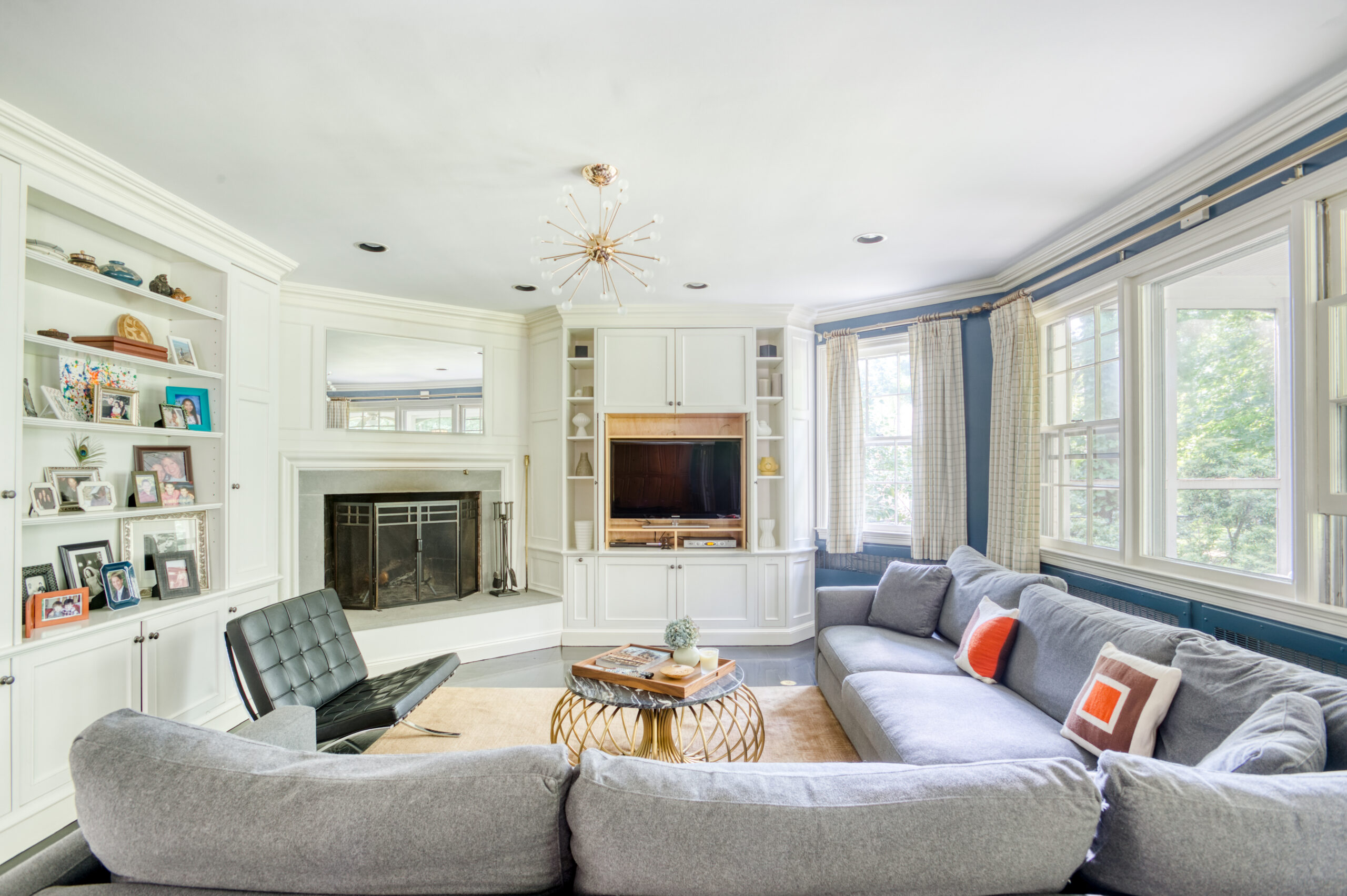
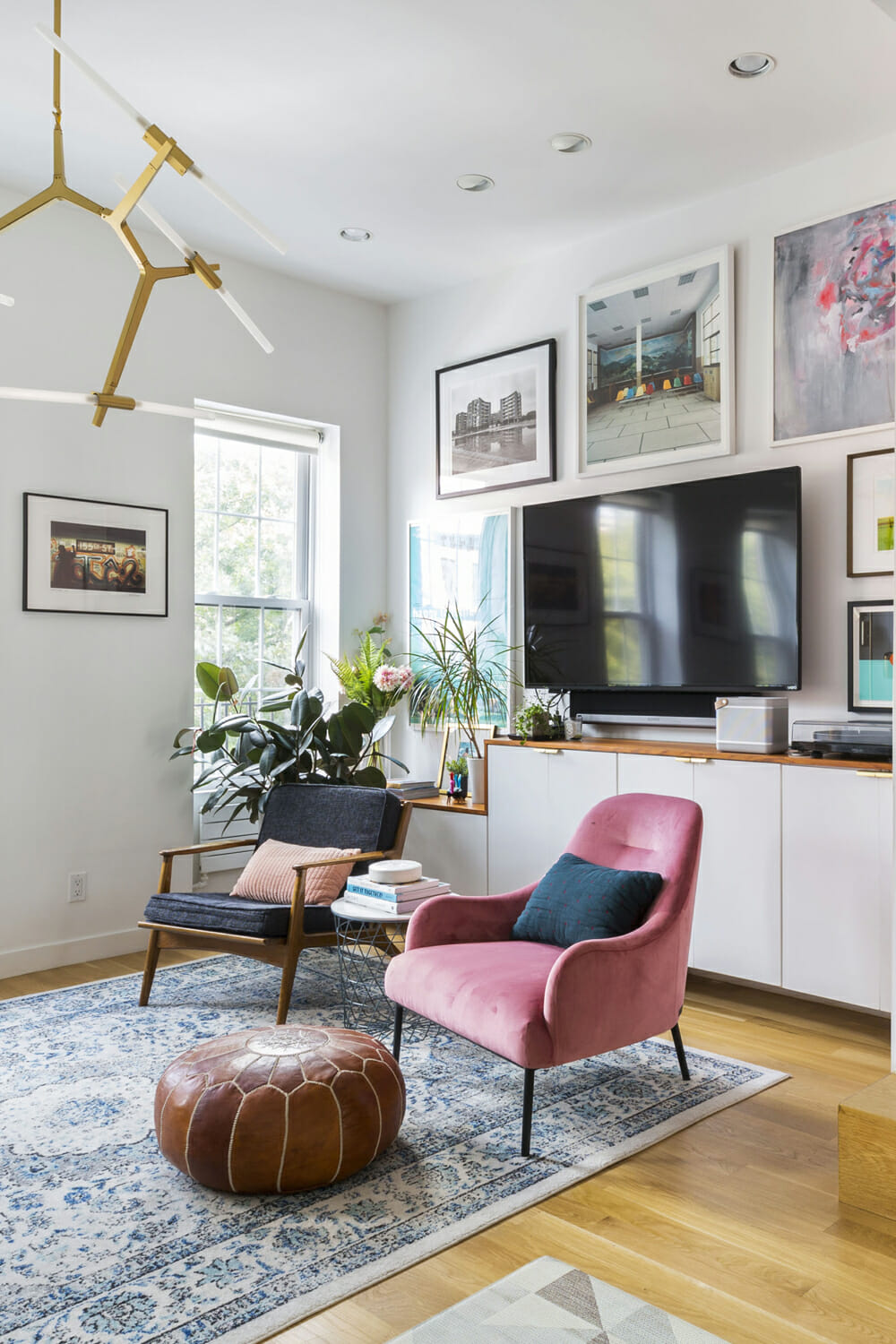
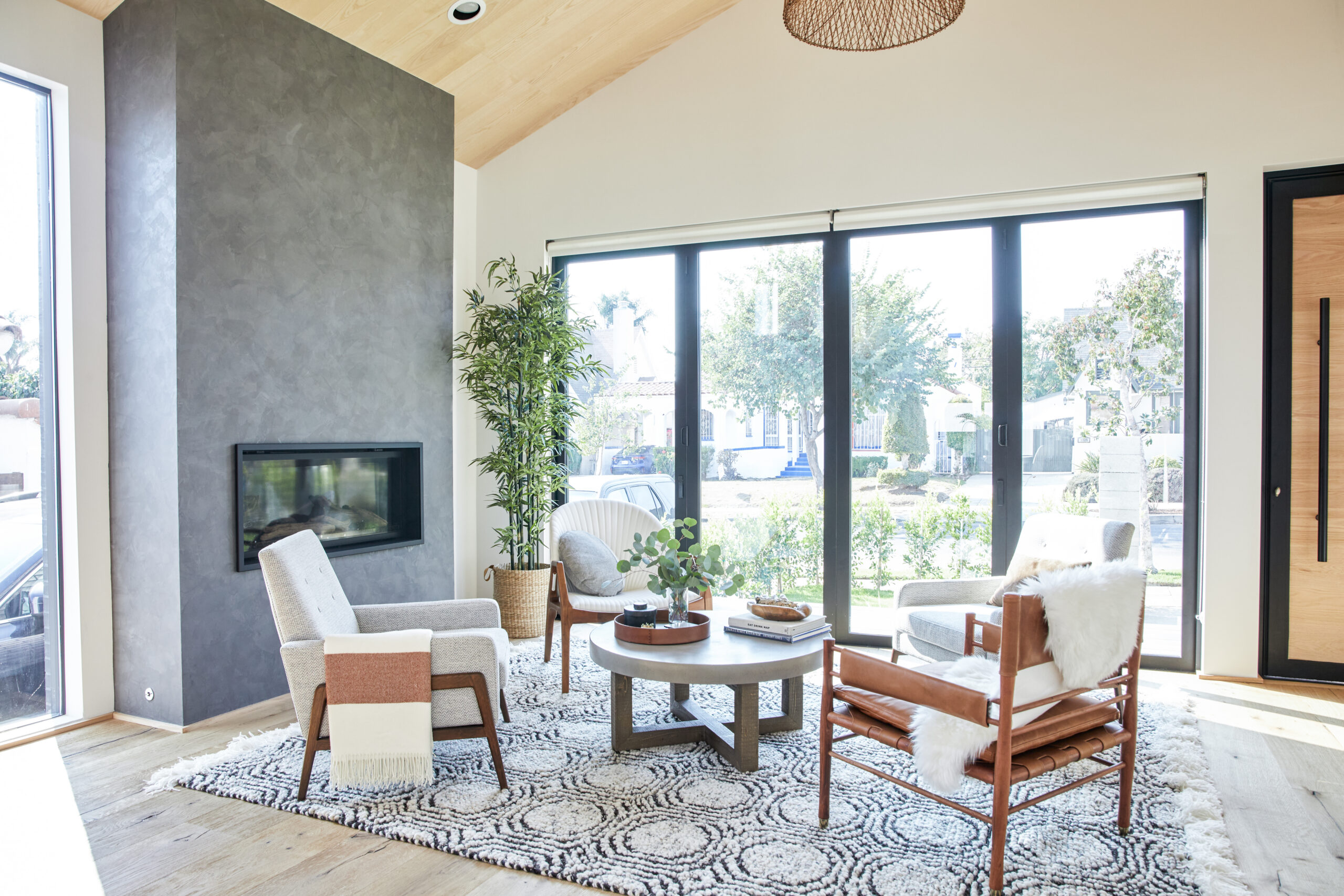
Living rooms have to handle a lot. One evening you might be watching TV, while another might involve reading, entertaining friends, or relaxing at the end of the day.

Start with ambient lighting to provide general illumination throughout the room. Overhead fixtures can handle this role, while warmer light can help create a more comfortable atmosphere.

Add task lighting near seating areas where people read or work. Floor lamps and table lamps with adjustable shades or arms can direct the light where it’s needed without making the entire room brighter.

Accent lighting can then highlight artwork, shelving, or other features you want to draw attention to.

Dimmer switches add another useful layer of control. Instead of using the same amount of light for every activity, you can adjust the brightness as the room changes from daytime gathering space to a quieter evening setting.

Kitchen: Balance task and ambient lighting

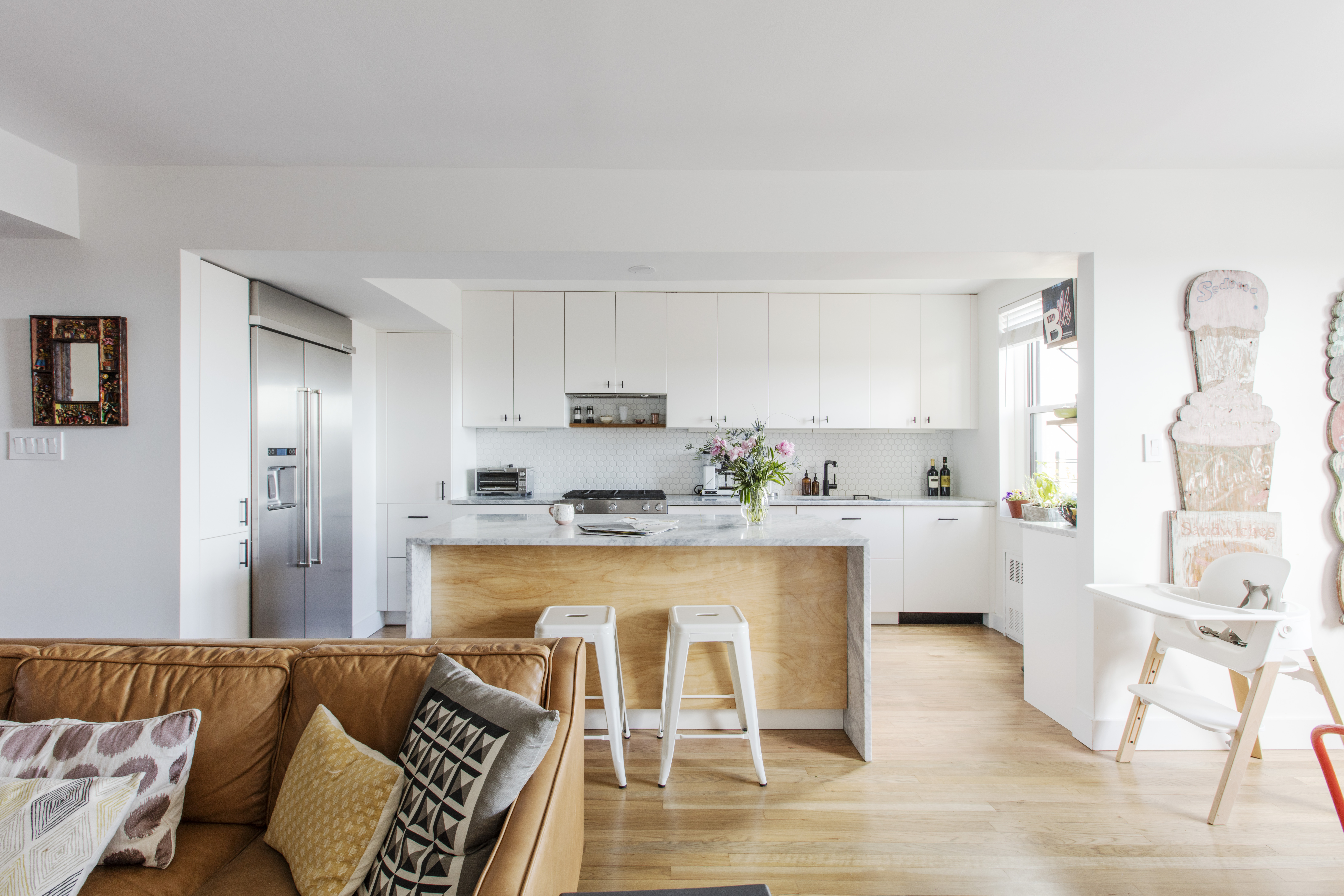
Under-cabinet lights can provide task lighting across countertops where you chop, prepare ingredients, and handle other kitchen work. Because the light is positioned close to the work surface, it can help illuminate areas that overhead fixtures may not reach as well.

Pendant lights can work over a kitchen island or dining area, adding another layer of light while helping define the space.

Accent lighting can also draw attention to dishware, artwork, or other kitchen features. Combining these sources creates a lighting plan that supports the practical side of the kitchen without losing the room’s character. 

Because kitchen lighting often needs to work around cabinetry, counters, and islands, it helps to discuss fixture placement with your contractor while the overall kitchen plan is taking shape.

Dining room: Set the mood

The dining room usually revolves around one main feature: the table. Your lighting design can do the same.

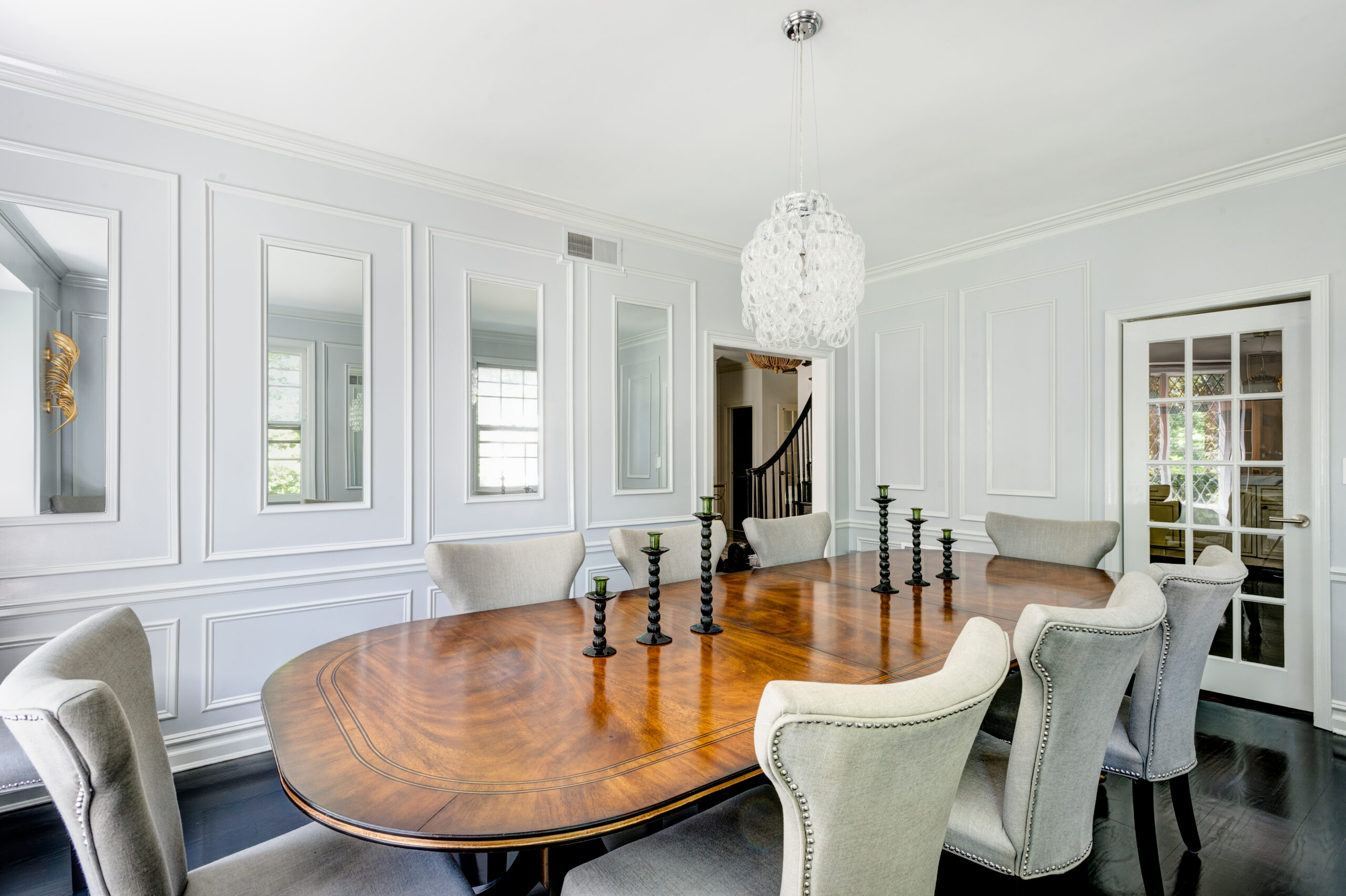
A chandelier or pendant positioned above the table can provide a clear focal point while casting light across the dining area. Wall sconces can add softer illumination around the edges of the room and help give the space more depth.

Renovate expertly with Sweeten

Sweeten brings homeowners an exceptional renovation experience by personally matching trusted general contractors to your project, while offering expert guidance and support—at no cost to you.

Start your renovation

A dimmer can be especially useful here. Brighter light may work well for everyday meals or other activities at the table, while a lower setting can create a more relaxed atmosphere for dinner or entertaining.

The goal isn’t simply to make the dining room bright. It’s to provide enough light for the space while giving you control over how the room feels.

Bedroom: Keep lighting soft and flexible

Bedroom lighting should support relaxation while still providing enough illumination for reading, getting dressed, and other everyday routines.

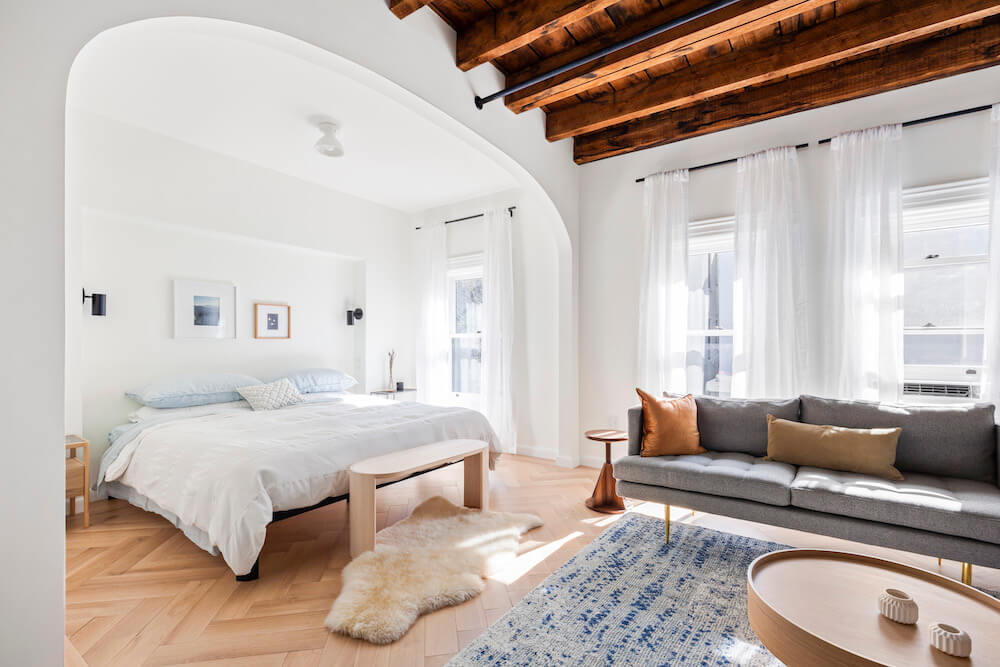
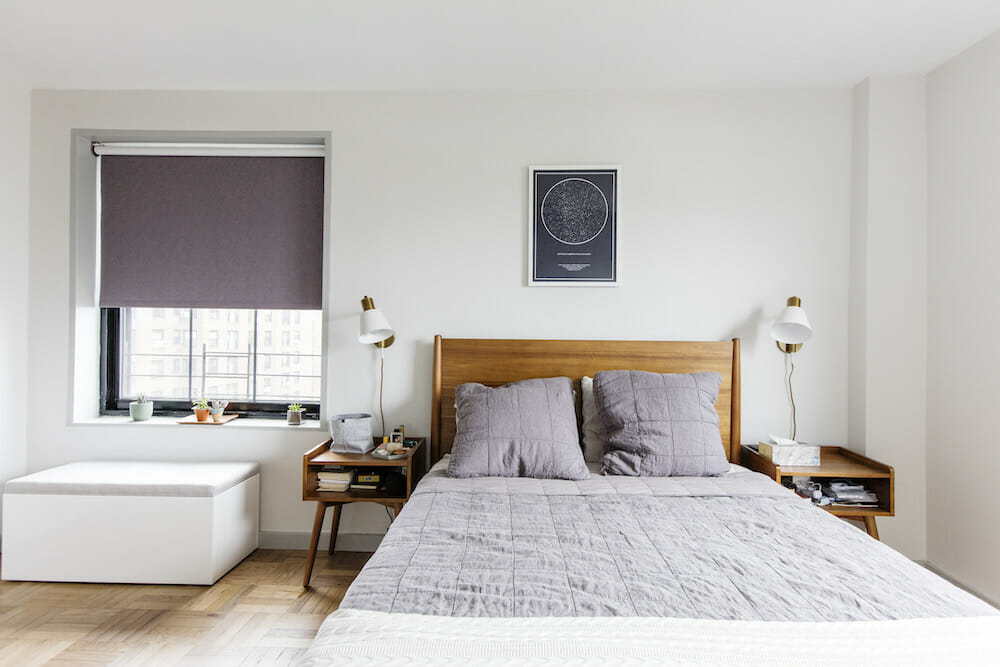
Bedside lamps or wall sconces can provide focused light for reading without filling the entire room with bright overhead illumination. A ceiling fixture can handle general lighting, especially when paired with a dimmer that lets you adjust the intensity.

If you have a vanity or dressing table, task lighting can provide clearer illumination in that area.

Using several smaller sources rather than relying only on one bright ceiling fixture gives you more control over the room. You can use brighter lighting when you need it and softer lighting when you’re settling in for the evening.

Bathroom: Plan for bright, functional light

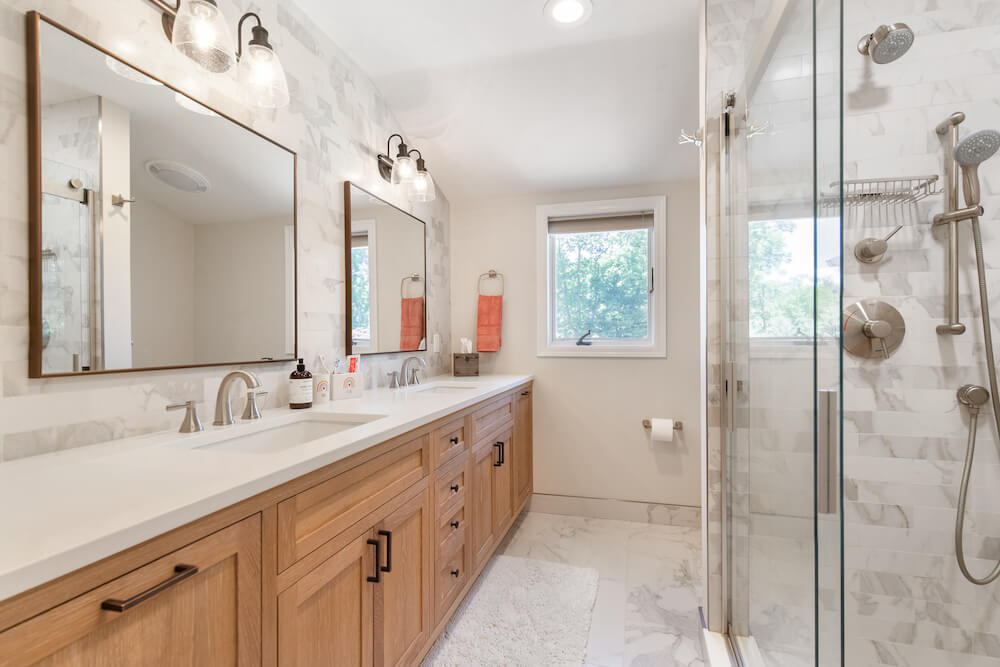
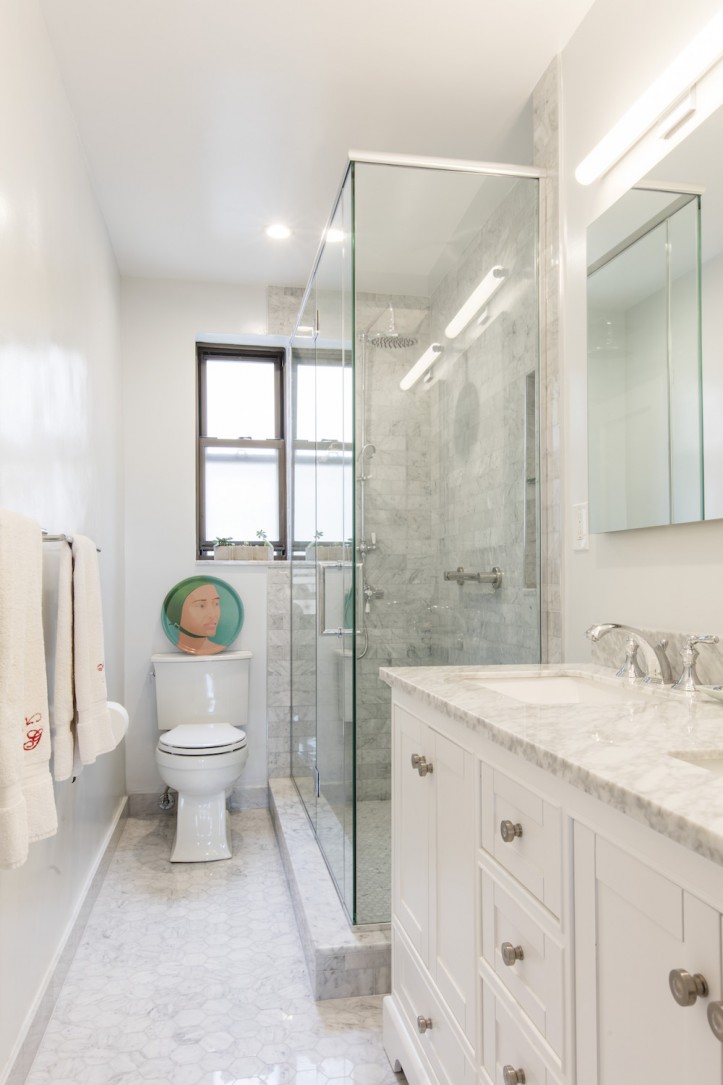
Bathroom lighting needs to support grooming and other tasks that benefit from clear visibility. Vanity lighting is particularly important because poor placement can create shadows across the face.

General overhead lighting can illuminate the room as a whole, while task lighting near the mirror provides more focused light. Sconces or LED strip lighting can help create a more even glow around the vanity area.

Fixture placement matters here. Lighting positioned beside or near the mirror can provide more useful illumination than relying entirely on a ceiling fixture.

Adding dimmers can also make the bathroom more flexible. You might prefer brighter light while getting ready in the morning and a softer setting later in the day.

Lighting is worth discussing with your general contractor early in a bathroom renovation so the vanity, mirror, and surrounding fixtures can be considered together.

Home office: Support focus and reduce glare

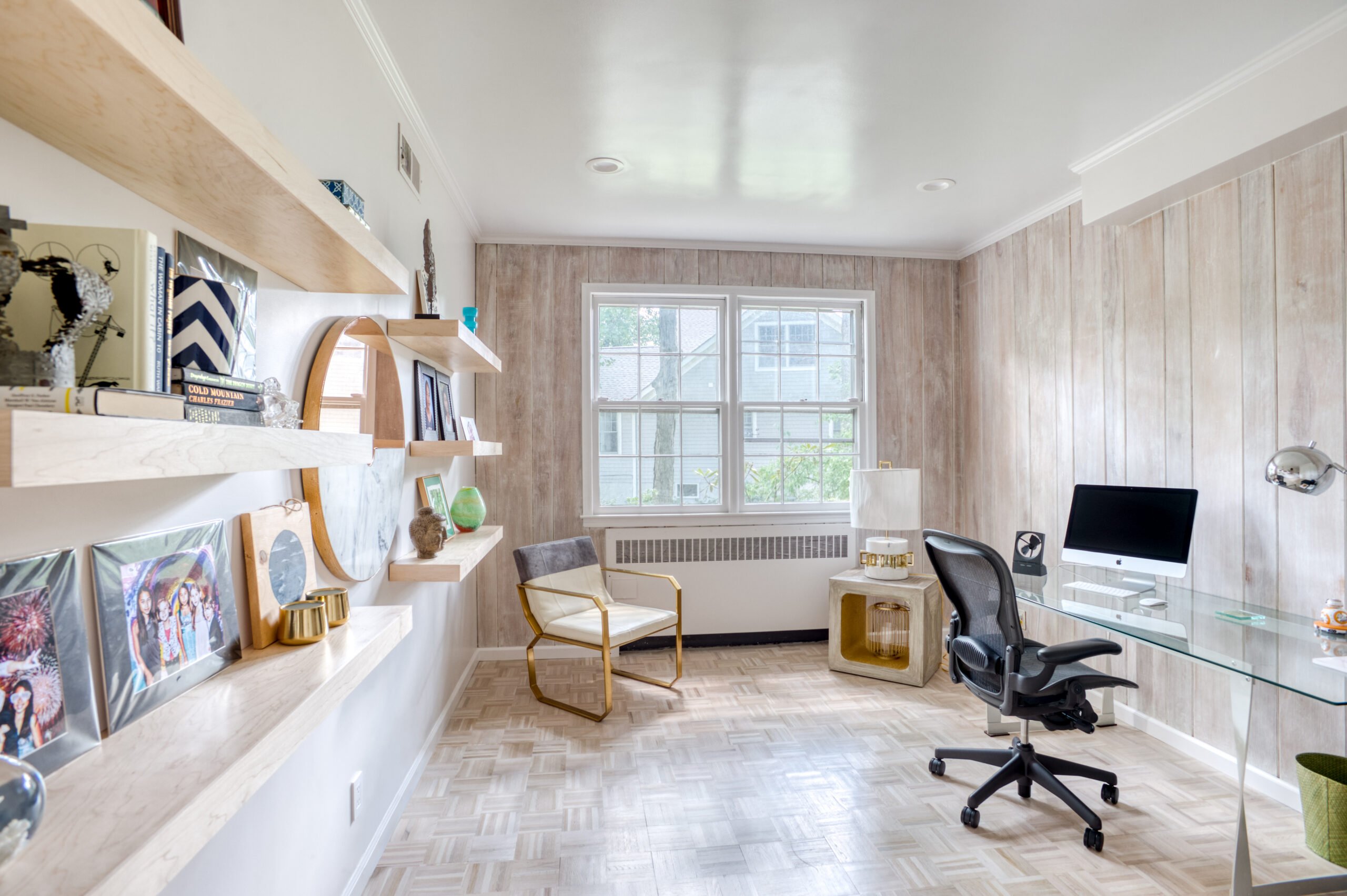
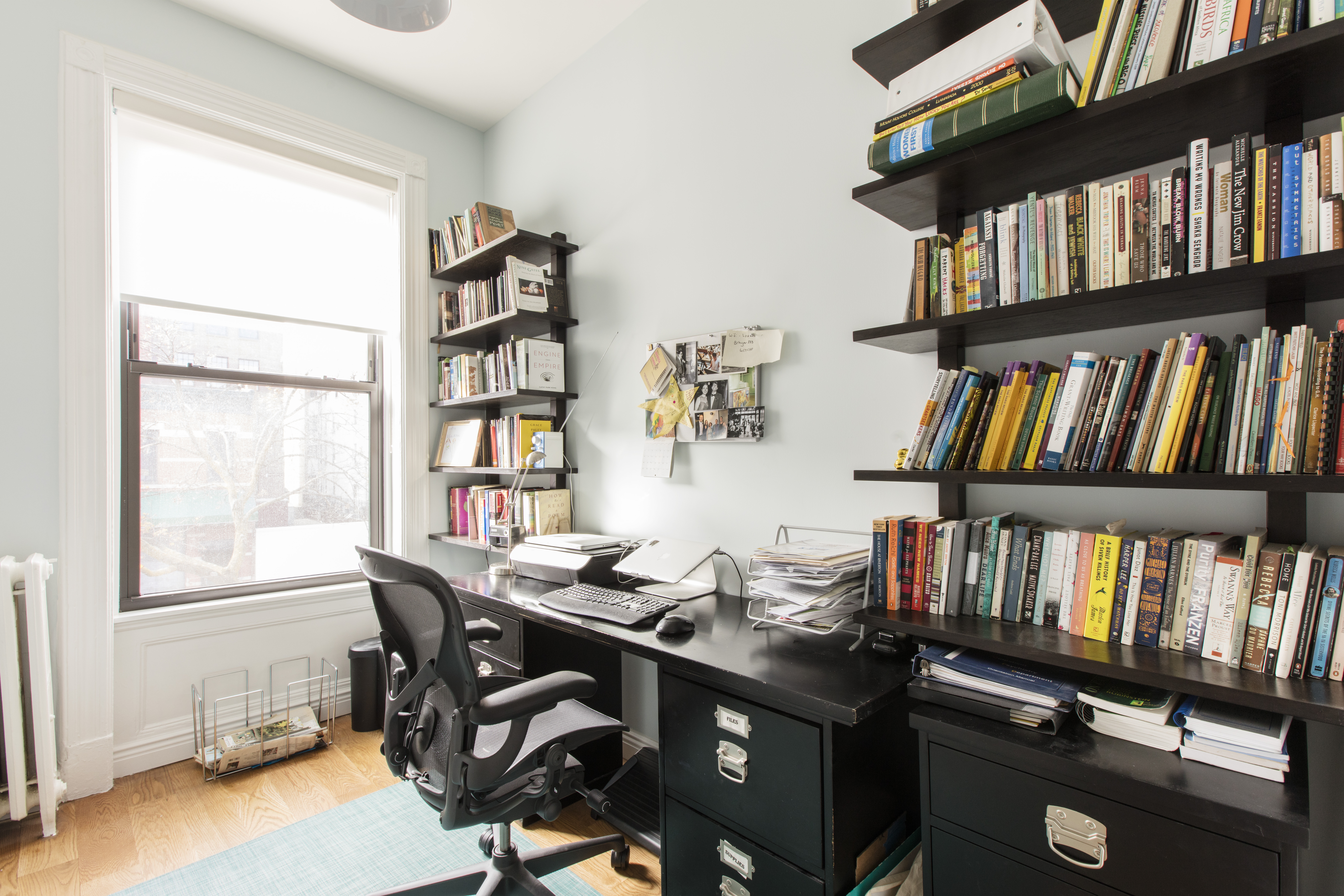
Natural light can be a major asset in a home office, so start by considering how much daylight reaches the room and where it comes from.

When natural light isn’t enough, use task lighting around your desk or work surface. A desk lamp or adjustable floor lamp can provide focused illumination without making the entire room unnecessarily bright.

Placement deserves some attention. Positioning a light source to the side rather than directly overhead can help reduce uncomfortable glare while keeping the work area clearly lit.

Adjustable brightness can also help the office adapt as daylight changes. A setup that works well on a bright afternoon may need more support in the evening.

Basement: Design lighting around the room’s purpose

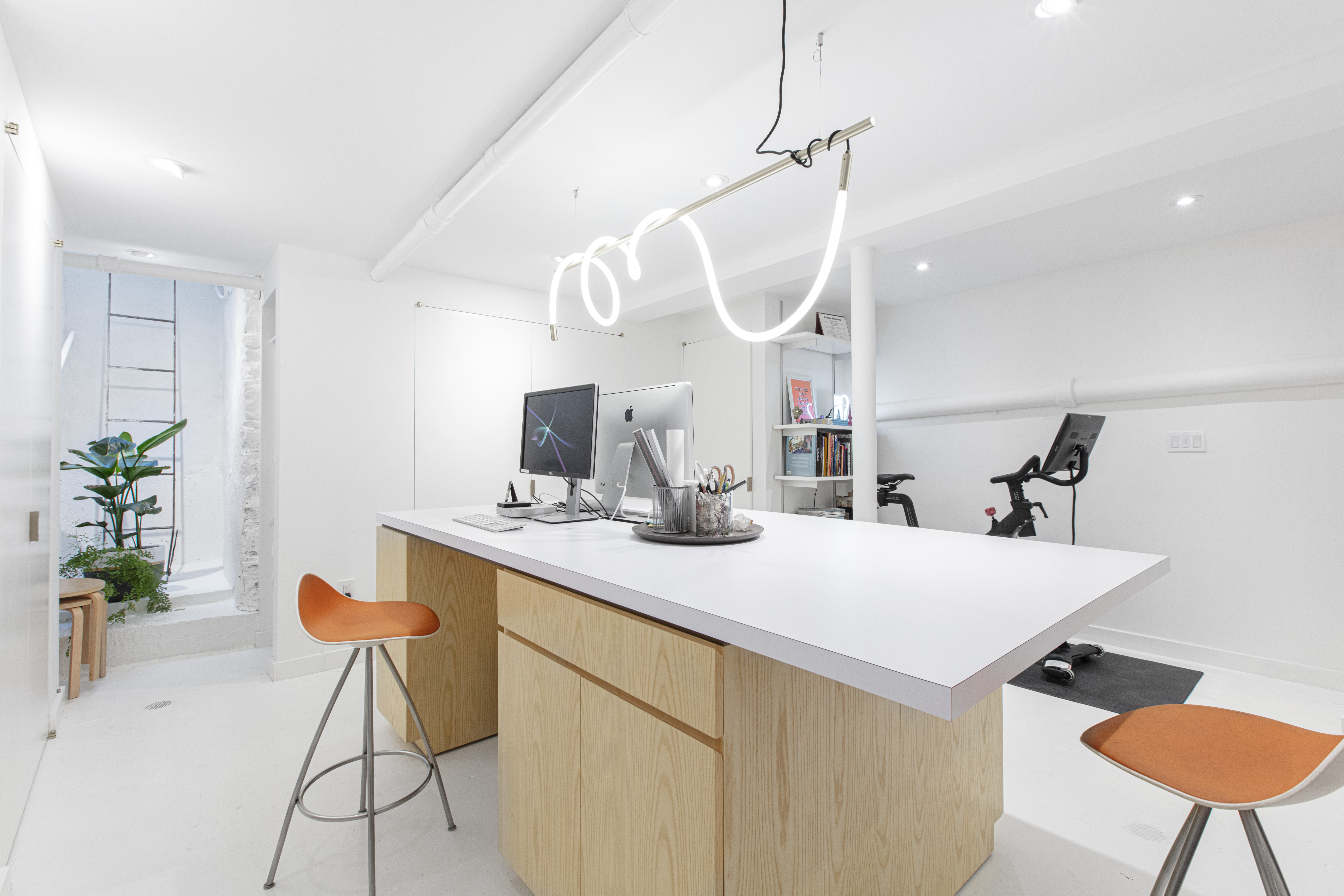
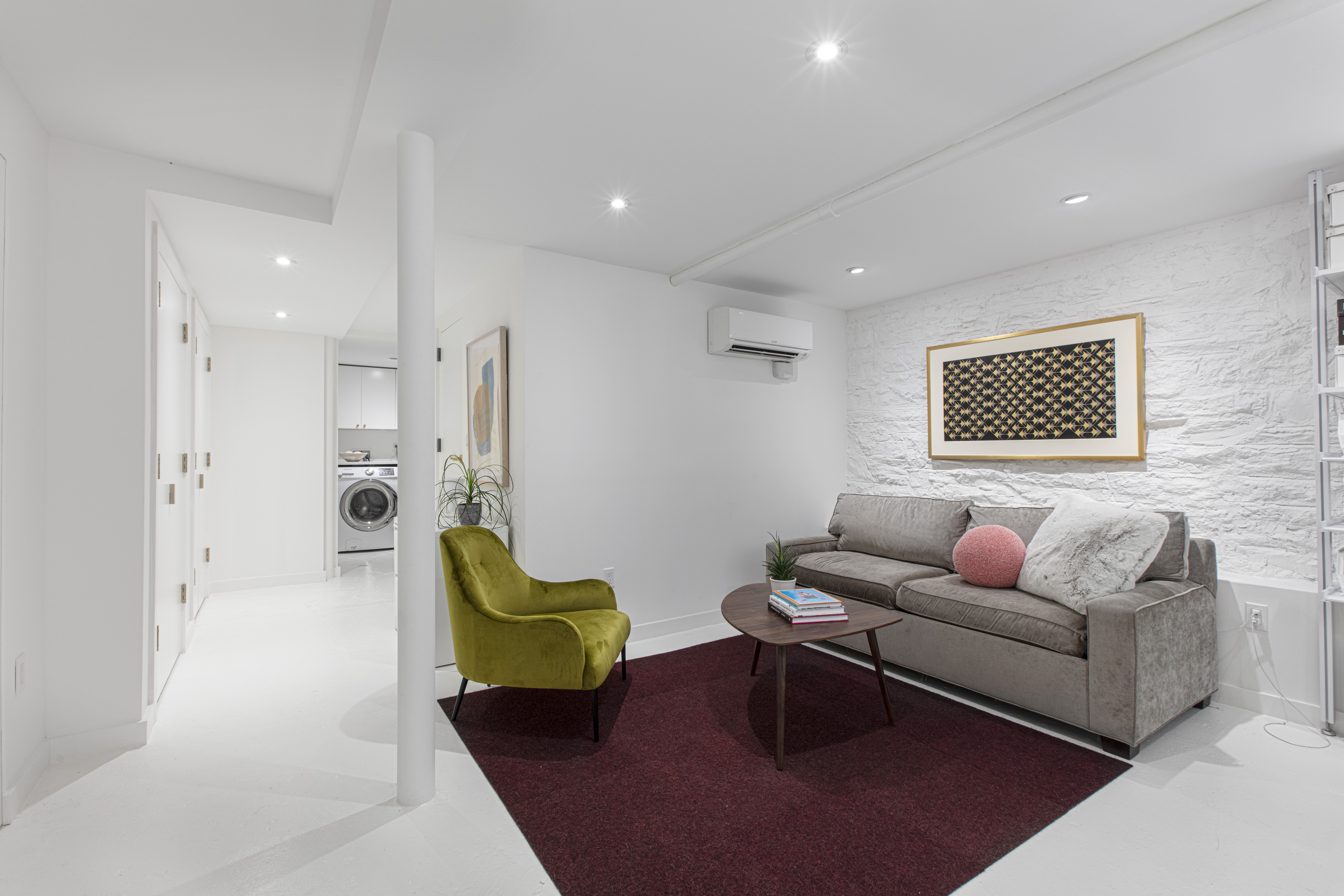
Basement lighting should reflect how the space is actually used. A recreation room, home theater, and general living area may all call for different combinations of fixtures.

For a multipurpose or recreational basement, recessed lights or track lighting can provide general illumination. Floor lamps or table lamps near seating areas can add task lighting and make individual zones feel more comfortable.

If the basement includes a home theater, controlling outside light can also help create the desired viewing environment. The broader goal is to layer the lighting around the activities that take place in the room instead of treating the entire basement as one uniform space. 

For a basement renovation, talking through how each area will be used with your contractor can make it easier to plan different lighting needs across the space.

Outdoor spaces: Extend your lighting plan outside

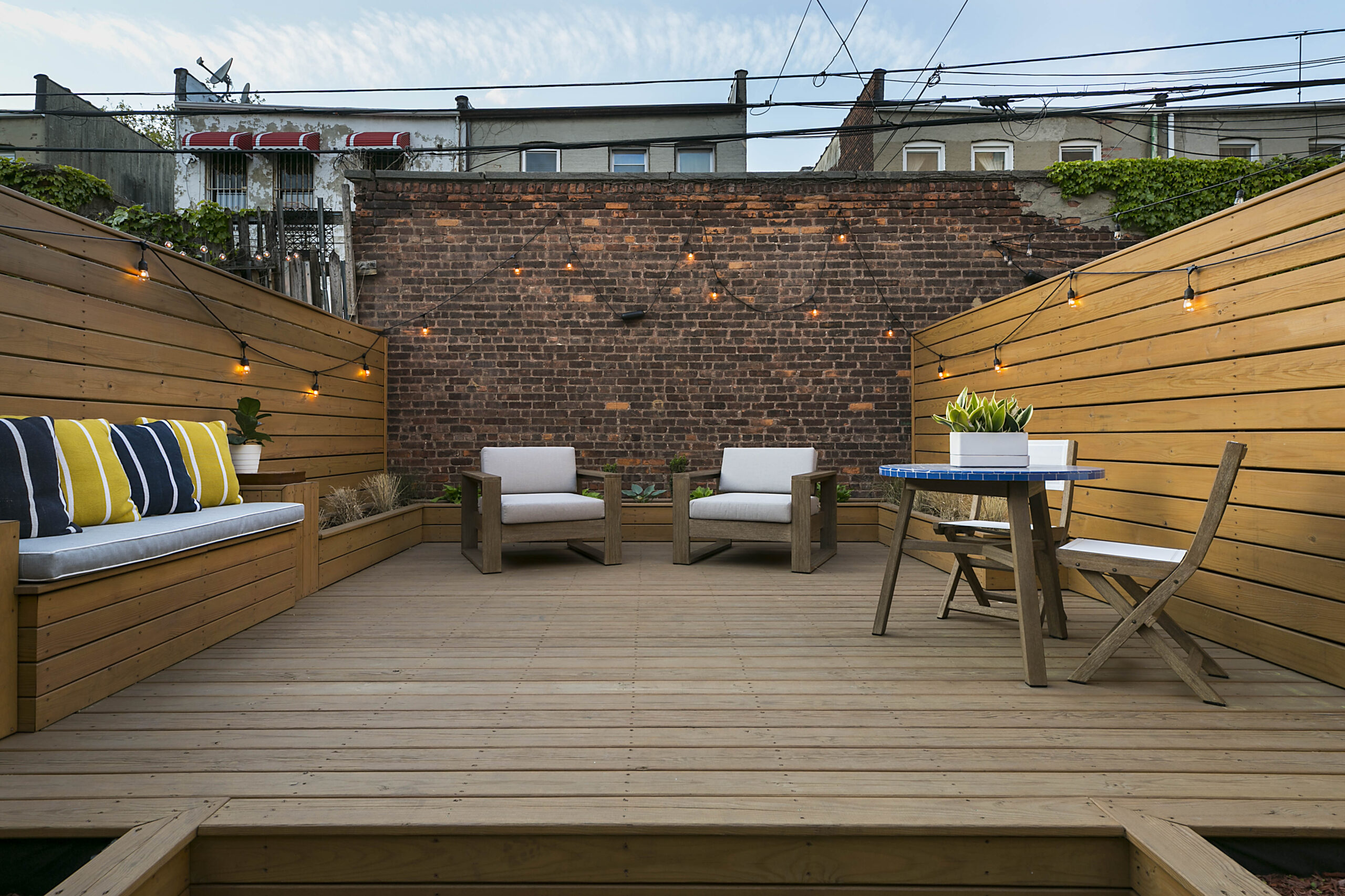
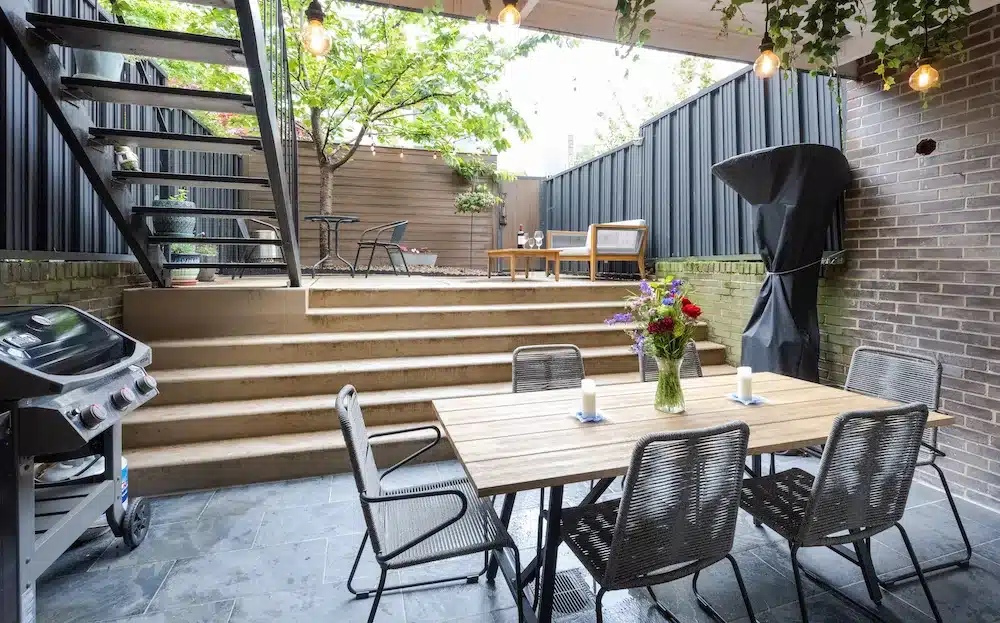
Your home lighting design doesn’t have to stop at the back door. Outdoor lighting can make patios, paths, and entertaining areas more usable after the sun goes down.

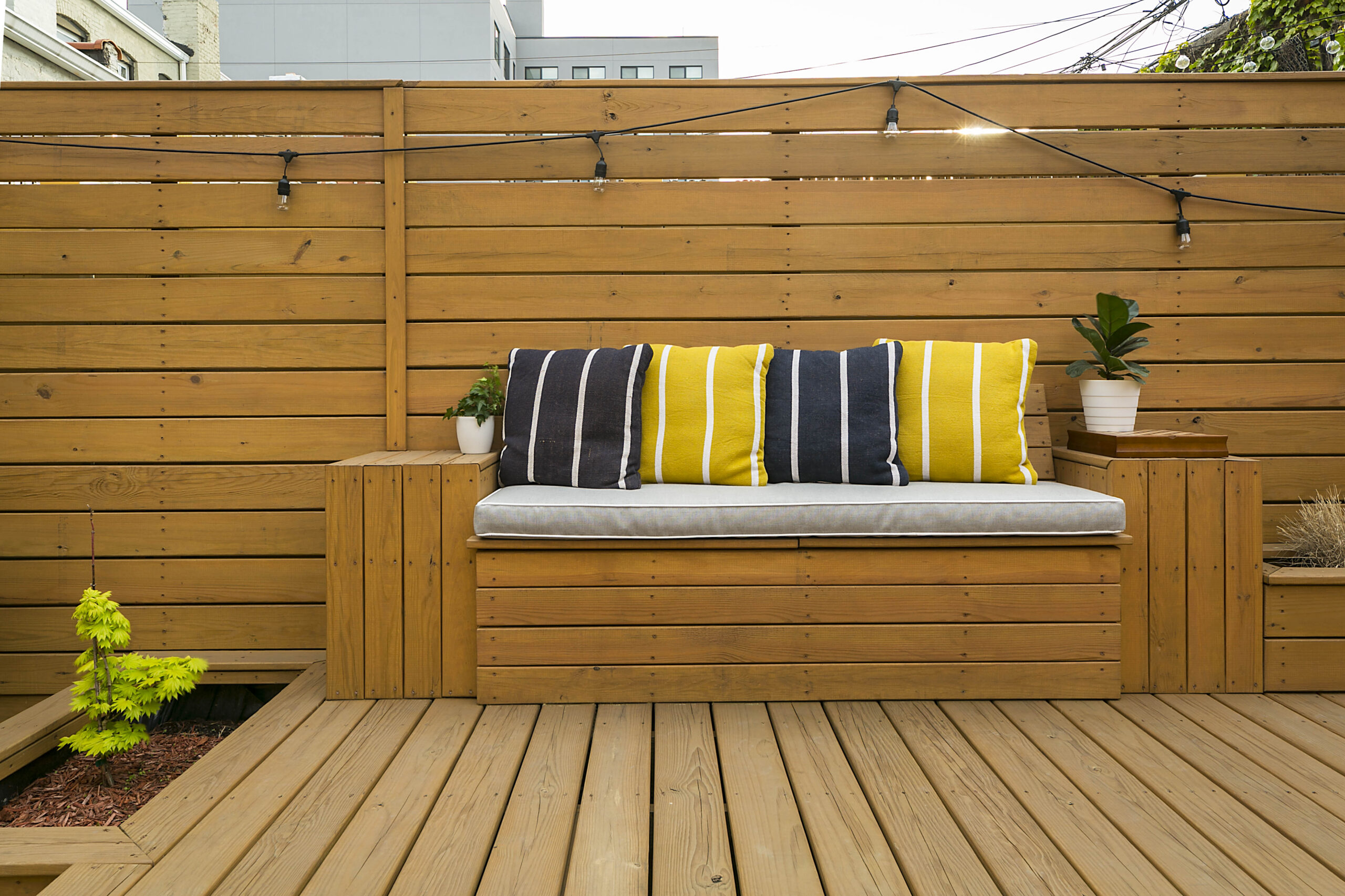
String lights and lanterns can provide softer lighting around gathering spaces. Pathway lights can illuminate walking areas, while uplighting can draw attention to trees or architectural features.

Motion-sensor lights can add convenience in areas where you don’t need continuous illumination.

As with indoor spaces, think about what each part of the outdoor area is used for. Different areas may need different levels and types of light.

Home lighting design tips to remember

A room-by-room plan makes lighting easier to think through, but a few principles apply throughout the home:

  • Layer your lighting: Combine ambient, task, and accent lighting instead of asking one fixture to handle every need.
  • Consider brightness and color temperature: Different rooms and activities may call for different lighting characteristics.
  • Use dimmers where they make sense: Adjustable light levels can help one space serve several purposes.
  • Think carefully about placement: The position of a fixture affects shadows, glare, and how useful the light actually is.
  • Make use of natural light: Consider how daylight moves through the room before deciding where additional lighting is needed.

Good home lighting design isn’t about filling every room with more fixtures. It’s about choosing the right types of light and placing them where they support the way each space is used.

When ambient, task, accent, and natural light work together, the result is a home that feels comfortable throughout the day and works better for the people living in it.

Ready to renovate? Start here for free!

Here you can learn more about our services and locations. Alternatively, browse more home renovation inspirations, processes, and cost guides.

Frequently asked questions

Ambient lighting is the general illumination that provides overall brightness throughout a room. It creates a comfortable base layer of light that helps people move through and use the space safely.

Task lighting is focused illumination used for specific activities such as reading, cooking, grooming, or working. It directs more light to the area where the activity takes place without needing to brighten the entire room.

Accent lighting is lighting used to draw attention to specific features such as artwork, shelving, architectural details, or decor. It adds visual depth and helps highlight areas you want to stand out within a room.

You may also like

Renovate with Sweeten!

sweeten-magic

We’ll match you with vetted general contractors and offer support until your project is done — at no cost to you!

Start your renovation

Customer review 5.0

sweeten-thumbsup

“I was able to source 4 contractors in a few days with Sweeten and was started on my project quickly.”

— Hagan R. from Atlanta, GA

Read more reviews —>
Start your renovation
no-cost-blue

Subscribe to our
renovation newsletter