8 Bathroom Design Ideas and Trends Worth the Spend in 2026

Bathrooms have become the room where small choices make the biggest difference, from the tile underfoot to the light you see yourself in each morning. At Sweeten, we’ve learned that the smartest bathroom design ideas in 2026 lean into comfort, better storage, and finishes that feel intentional.

Read on to learn about the top renovation-ready trends, plus the real-world context to help you plan with confidence.

Key points

  • Statement tile keeps showing up in remodel plans, with stacked shower wall tile used in 18% of projects, according to one report.
  • Storage-focused vanities keep gaining popularity, since deep drawers and hidden outlets cut clutter without adding square footage.
  • Wet rooms and shower upgrades continue to trend, since they make tight bathrooms feel more open and easier to use.
  • Layered lighting remains a popular upgrade, since it improves how the space looks and how you see yourself each day.

1. Statement tiles that set the perfect bathroom tone

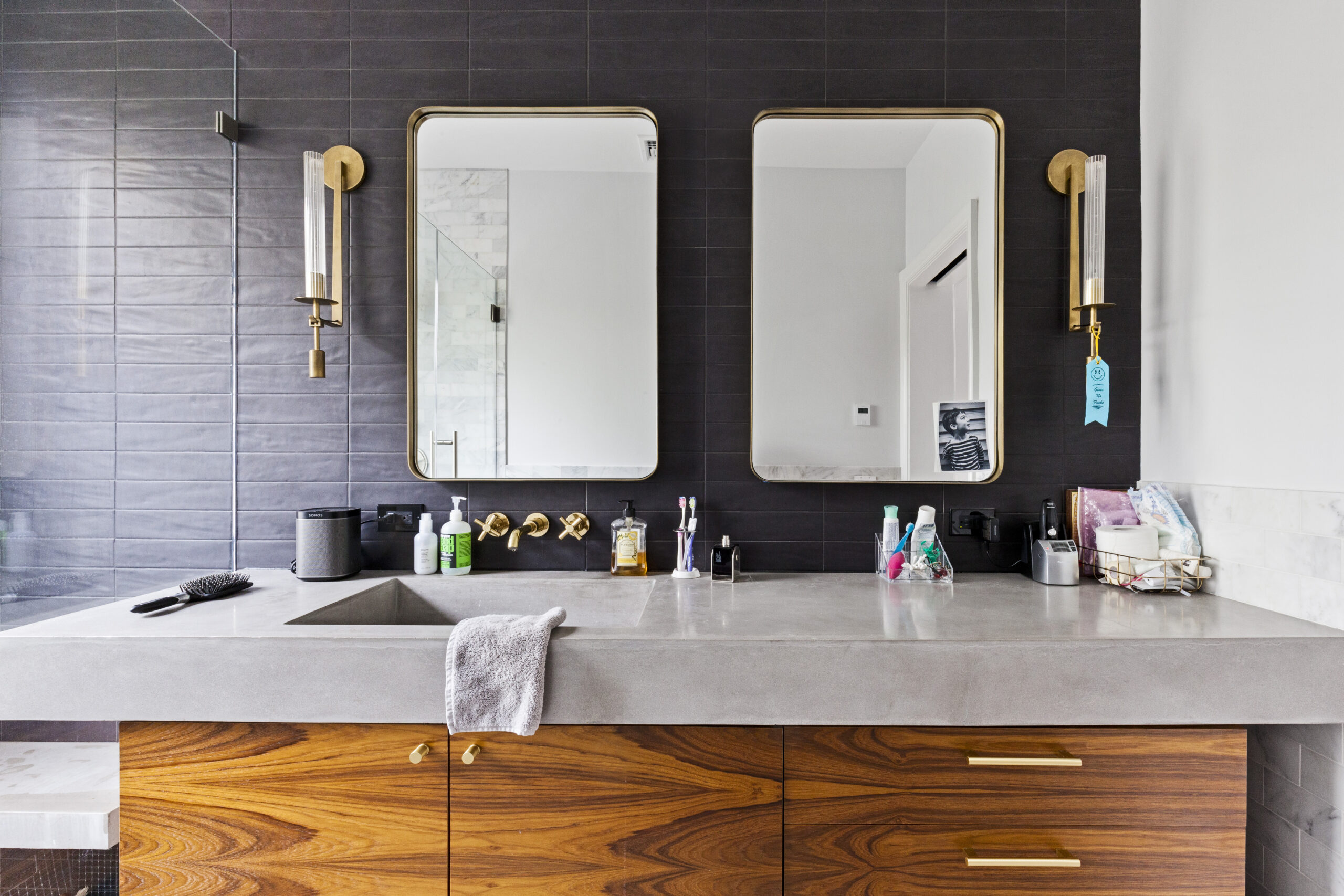
(Above) Nazli’s new bathroom featuring black statement wall tile, brass fixtures, vanity with wood cabinetry and drawers

Statement tile has been a steady request in many bathroom renovations we’ve worked on. This look sits near the top of current bathroom trends since one bold surface can carry the room. Pattern, color, or texture works best when it has a clear job, and the rest stays calm.

(Above) Jill’s renovated bathroom with wooden vanity, white wall tile, and black hexagon floor tile

Powder rooms and guest baths handle a stronger bathroom tile choice well, since the impact lands fast. Primary suites can use the same idea with quieter floors and paint. The main upside is focus, since a single feature surface guides the rest of the selections.

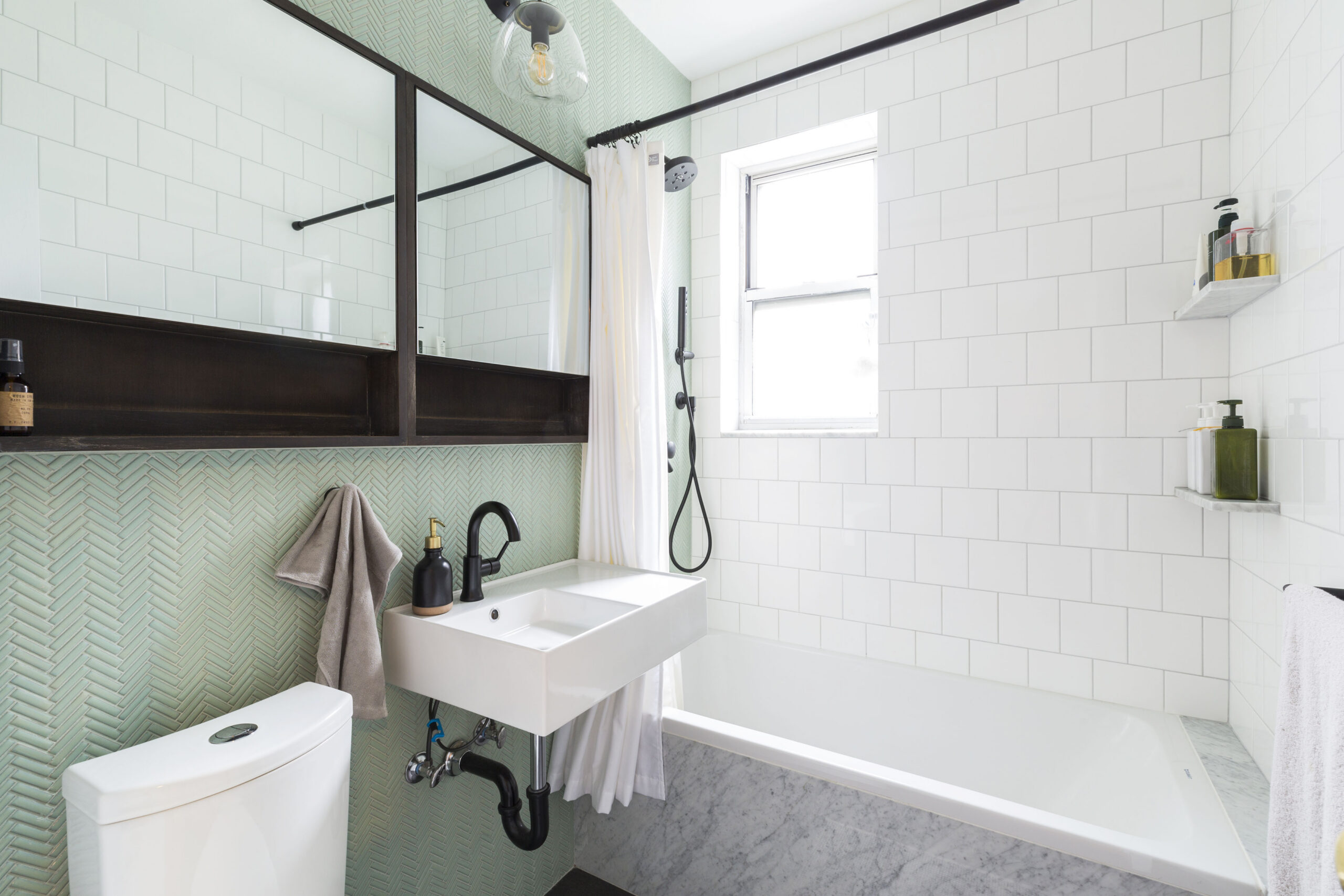
(Above) Katy’s remodeled bath featuring black subway shower tile, built-in wooden shelves, vanity, and window

Use these renovation tips to keep the look intentional:

  • Choose one hero surface and simplify the rest
  • Match grout to the tile tone for a cleaner finish
  • Center the layout on the vanity or shower wall, not a corner
  • Order extra from the same dye lot for future repairs

Planning to renovate? Get free cost estimates from our partner GCs!

Get matched with our vetted general contractors and receive at least 3 quotations for free! You can also find endless home renovation inspiration, detailed guides, and practical cost breakdowns from our blogs.

2. Smart storage ideas that finally end the clutter

(Above) Amanda’s bathroom with built-in shelves, brass towel holder, white walls, and toilet

We noticed that storage upgrades show up in  a lot of renovations more often than any single finish swap. Daily bathroom design feels easier when counters stay clear, and essentials live behind closed fronts. Deep drawers, recessed medicine cabinets, and shower niches do most of the work.

Shared bathrooms benefit quickly, since multiple routines compete for the same space. If a nearby closet can spare a few inches, a shallow linen closet or tall cabinet zone can hold towels and backup supplies that usually end up on the vanity. The main payoff is a calmer start to the day with fewer items in sight.

(Above) Isis’ renovated bathroom with a wood storage cabinet, hexagon white wall tile, and toilet

Use these renovation tips to make storage feel effortless:

  • Choose drawers for everyday items, not base cabinets with doors
  • Recess a medicine cabinet between studs when framing allows
  • Add an outlet inside a drawer for toothbrushes and tools
  • Place at least one shower niche at shoulder height

3. Modern wet rooms that make small spaces feel huge

(Above) Leslie’s new bath featuring a wet room with large shower, inset tub, and clear glass door

Another common request we’ve seen in remodels is wet rooms that aim for a cleaner, more open feel. Many modern bathroom designs use a continuous floor plane to reduce visual breaks. A solid waterproofing plan and the right pitch make the concept work in real life.

Small bathrooms often gain the most since a curb-free entry opens sightlines. Homes planned for long-term living can benefit too, since stepping in feels simpler. The main benefit is that the space reads larger without changing the footprint.

(Above) Alice’s new bathroom featuring a Japanese-style inspired wet room with walk-in shower and tub

Use these renovation tips to keep a wet room practical:

  • Lock drain placement and floor pitch before choosing tile
  • Extend waterproofing beyond the shower zone, not only at the drain
  • Choose a slip-resistant bathroom floor tile with reliable grip
  • Plan towel storage close to the exit path

4. Flattering lighting ideas for the perfect glow

(Above) Kimberly’s bathroom featuring mirror-area lighting, white subway wall tile, white sink, and shower fixture

Lighting upgrades have been a frequent part of bathroom scopes, even in smaller rooms. A layered plan sits near the top of our small bathroom design ideas since it changes the room without stealing inches. Overhead light and mirror-area fixtures reduce harsh shadows and help the space feel finished.

Windowless baths and rooms with darker finishes benefit most from a lighting reset. Compact ensuites feel more spacious once light reaches the corners. The main advantage is consistency, so your mirror looks right at any hour.

Renovate expertly with Sweeten

Sweeten brings homeowners an exceptional renovation experience by personally matching trusted general contractors to your project, while offering expert guidance and support—at no cost to you.

Start your renovation

(Above) Kristen’s remodeled bathroom with stone wall tile, sink, chrome faucet, mirror, and mirror-area lighting

Use these renovation tips to get a flattering result:

  • Place sconces at about eye level on both sides of the mirror
  • Choose LEDs in the 2700K to 3000K range for a warmer look
  • Split switches so mirror lighting and overhead lighting work separately
  • Add a low night-light option for after-dark trips

5. High-tech shower systems you can actually control

(Above) Leslie’s renovated bathroom featuring a full shower system with digital display

Another bathroom trend that we keep seeing is homeowners requesting controlled shower setups when comfort tops the wish list. The best bathroom design ideas in this category focus on predictable temperature and simple operation. Thermostatic and digital systems can set a preferred temperature and run multiple outlets with less fuss.

Primary baths and busy households get the most value from this upgrade. Projects that already open walls for plumbing make planning far easier. The main benefit is repeatable comfort, so each shower starts the way you expect.

(Above) Mary’s bathroom with white subway wall tile, sink with chrome fixtures, and thermostatic walk-in shower

Use these renovation tips to keep the tech easy to live with:

  • Place controls where you can reach them before stepping under water
  • Confirm water pressure and heater capacity before adding outlets
  • Choose thermostatic valves for steadier temperature under demand
  • Coordinate power needs early if the system requires it

6. Clever layout hacks to maximize your bathroom space

(Above) Aaron’s reimagined bathroom with space-saving swinging glass door, built-in storage shelves, and shower with tub

Layout changes come up often in bathroom remodels where the room feels tight or awkward. A better plan can come from shifting a door swing, tightening clearances, or swapping a tub for a shower. The strongest layouts feel simple once installed, with fewer pinch points.

Long, narrow bathrooms and older homes tend to gain the most from smarter planning. Apartments can feel less cramped when the path through the room stops fighting you. The main payoff is ease, since daily movement feels natural.

Use these renovation tips to keep the plan functional:

  • Map clearances for doors, drawers, and towel reach
  • Consider a pocket door when framing allows, and plumbing stays clear
  • Keep plumbing runs efficient to control scope and cost
  • Add recessed shelving between studs to save inches

7. Accessible design ideas that still look high-end

(Above) Debbie’s senior-friendly bathroom with shower seat, grab bar, and sliding glass door

We keep hearing more homeowners ask for accessible features that support long-term living. Curbless entries, comfort-height toilets, and well-placed grab bars can look polished with the right finishes. A cohesive hardware set keeps the room feeling intentional, not clinical.

Multigenerational homes and forever spaces benefit the most. Smaller bathrooms gain comfort when entry and movement feel easier. The main benefit is confidence, since the room supports daily life without calling attention to itself.

(Above) Cicely’s remodeled bathroom with walk-in shower, recessed shower storage, and grab bar

Use these renovation tips to keep accessibility sleek:

  • Add wall blocking early for future grab bar placement
  • Choose grab bars that match faucet finishes and style
  • Keep floor transitions flush and use slip-resistant tile
  • Install a handheld shower with a stable mounting point

8. Heated floors and comfort upgrades worth the cost

(Above) Jamie’s remodeled bathroom featuring white walls, wooden vanity cabinets with stone countertop, and white floor slabs with radiant heating installed

Comfort upgrades have been a steady part of renovation wish lists, especially in colder homes. Radiant heat under tile can change how the bathroom feels the moment you walk in. Quiet fans and better insulation can add the same kind of everyday payoff.

Basement bathrooms and cold-climate regions see the strongest return in daily comfort. Early-morning households feel the benefit right away. The main advantage is simple: the room feels more inviting, so it gets used with less friction.

Use these renovation tips to make comfort upgrades pay off:

  • Confirm floor height changes so doors and transitions still clear
  • Place the thermostat outside heavy steam zones
  • Use a timer or schedule so heat runs when it matters
  • Upgrade exhaust to a quieter fan with humidity sensing

Bathroom design ideas and trends backed by 2026 data

Tile and surface decisions still carry a lot of weight in bathroom remodel planning. The 2025 U.S. Houzz Bathroom Trends Study found horizontally stacked shower wall tile at 18%, with rectangular (29%), hexagonal (26%), and square (22%) leading shower floor tile shapes. Trade sentiment points the same way, with the NKBA 2026 Bath Trends Report noting 89% of pros see demand for smaller or no grout lines and 80% expect large-format flooring to lead over the next three years.

Storage-first bathrooms show up clearly once you look at how people spec vanities. In the same Houzz study, 78% chose soft-close drawers and 75% selected soft-close doors, and built-in vanity outlets reached 29%. The NKBA report adds a material signal, reporting wood-faced vanities at 62%.

Shower and tub decisions are driving many renovation scopes, especially when layouts shift toward more open bathing zones. Houzz reports a 39% increase in shower size, and wet rooms reached 16% of renovated bathrooms. That preference shows up in client priorities too, with the NKBA report finding 55% say a larger shower matters more than having a bathtub.

Lighting and fixture upgrades tend to get planned together since they shape both function and finish. Houzz lists recessed lights in 40% of projects that upgraded lighting, with sconces (34%), ceiling lights (34%), and lighted mirrors (22%) close behind. The same study flags renovation-grade feature choices tied to upgraded systems, including specialty shower features in 10% of projects and bidet seats (21%) plus heated seats (19%) among toilet upgrades.

When a project includes layout changes, value and complexity both rise, which is where the right contractor partner matters. Houzz found 36% made layout changes and 31% built a home addition to expand the bathroom, and it also reported heated flooring at 20% plus radiant heating added as a new system in 11% of renovations.

Frequently asked questions

A wet room is a waterproof bathroom layout where the shower area sits flush with the rest of the floor, often with minimal or no curb. A sloped floor directs water to a drain and continuous waterproofing protects the surrounding surfaces.

A great place to install a grab bar in the bathroom is beside the toilet and along the shower entry or inside the shower where your hand naturally reaches for support. This placement helps with sitting, standing, and stepping in or out, so the bar gets used when it matters.

Radiant floor heating works by running electric heating mats or hot-water tubing beneath the finished floor to warm the surface evenly. Heat rises gently from the floor, so the room feels comfortable without relying on blasts of hot air.

You may also like

Renovate with Sweeten!

sweeten-magic

We’ll match you with vetted general contractors and offer support until your project is done — at no cost to you!

Start your renovation

Customer review 5.0

sweeten-thumbsup

“Working with Sweeten was amazing, they matched me with amazing contractors and the work was done quickly. It was the easiest way to find quality contractors!”

— Tara G. from Brooklyn, NY

Read more reviews —>
Start your renovation
no-cost-blue

Subscribe to our
renovation newsletter