15 Flooring Options That Add Style Over Existing Carpet

Old carpet can make a room feel stuck, but replacing it is not always the first or only path to a better-looking home. These 15 flooring options show how homeowners can compare floating, temporary, and modular surfaces that may refresh carpeted rooms with the right planning.

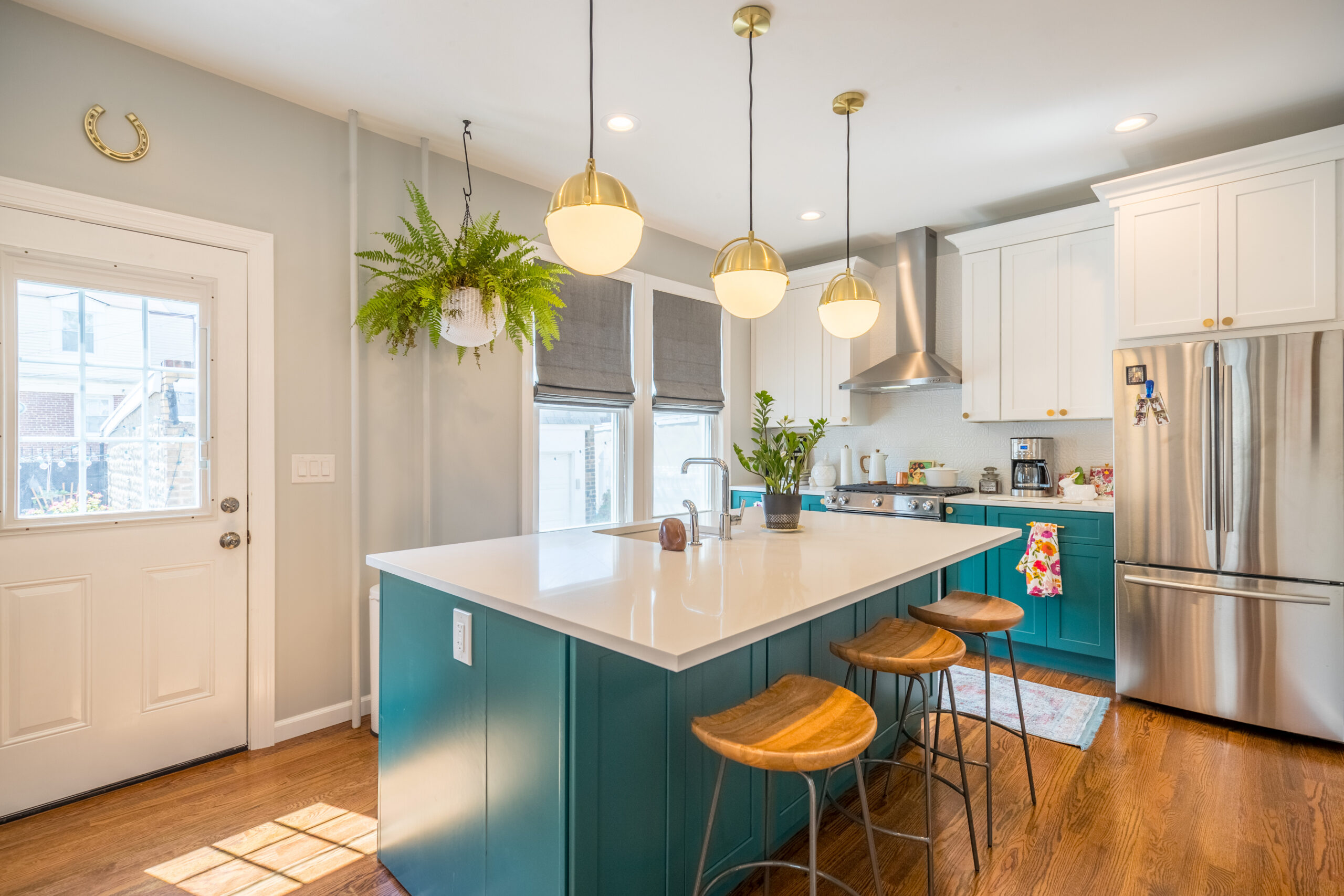
Laminate flooring option in a Bronx kitchen with navy lower cabinets, white uppers, stainless appliances, and gray tile-look floors.
(Above) A Bronx kitchen showing how laminate flooring can create a crisp, durable look among flooring options for busy home spaces.

Key takeaways for flooring options over carpet

  • The best flooring options to put over carpet are floating or modular products, such as vinyl plank, LVP, laminate, floating floor tiles, modular carpet tiles, rubber tiles, and interlocking foam tiles.
  • Low-pile, firm carpet is more likely to support a new surface than plush carpet, which can make flooring feel uneven or unstable.
  • Product approval matters because not every vinyl, laminate, tile, or panel system is made to sit over carpet.
  • Floor height, door clearance, carpet padding, and room transitions should be checked before choosing a material.
  • Our renovation stories at Sweeten can help you picture materials like vinyl plank, laminate, carpet tiles, rubber tiles, and foam tiles in real spaces, but they should be used as material inspiration, not proof of over-carpet installation.

Flooring can change how an entire home feels, especially when several rooms still have carpet that no longer fits the look homeowners want. Some people want a cleaner finish in a hallway, others want something more durable in a busy living space, and plenty are simply trying to understand what can go over carpet before committing to a bigger renovation plan.

That’s where this guide comes in. We’re looking at 15 flooring ideas that may work over existing carpet, from vinyl plank and laminate to modular tiles, snap-together panels, and raised subfloor systems. The best option depends on the carpet underneath, the room’s use, and whether the new flooring is approved by an experienced general contractor for that type of installation.

1. Vinyl plank flooring

Vinyl plank flooring option in a Riverdale kitchen with gray cabinets, black hardware, white counters, a deep sink, and pale wood-look floors.
(Above) A Riverdale kitchen showing how vinyl plank flooring can give carpet-friendly flooring options a lighter, wood-look finish.

Vinyl plank flooring is one of the most popular choices for homeowners who want a wood-look surface with strong resistance to moisture, stains, and everyday wear. It comes in many colors and plank widths, which makes it easier to match with different rooms and design styles.

Those practical qualities make it a common choice for kitchens, bathrooms, laundry areas, basements, and busy living spaces. If a homeowner is looking into vinyl plank flooring over carpet, a contractor should check the carpet type, padding, floor height, and whether the product is approved as a floating installation.

Before choosing vinyl plank, think about plank thickness, wear layer, and how realistic the texture looks in person. Some options feel more convincing than others, especially in larger rooms where the pattern repeats. This is also where hiring the right team can make a difference, since product approval and installation details should be reviewed before work starts.

  • Best for: Kitchens, baths, laundry rooms, basements, and busy areas
  • Why homeowners choose it: Water resistance, durability, and wood-look styles
  • Good to know: The existing carpet and padding can affect how stable it feels

Planning to renovate? Get free cost estimates from our partner GCs!

Get matched with our vetted general contractors and receive at least 3 quotations for free! You can also find endless home renovation inspiration, detailed guides, and practical cost breakdowns from our blogs.

2. Luxury vinyl plank (LVP)

Luxury vinyl plank (LVP) flooring option in a Gramercy bathroom with a glass shower, white subway tile, chrome sink, and warm wood-look floor.
(Above) A Gramercy bathroom showing how Luxury vinyl plank (LVP) can add warmth while keeping flooring options practical for moisture-prone rooms.

Luxury vinyl plank, or LVP, has a long plank shape that often mimics hardwood flooring. It’s popular because it can offer a wood-look surface with strong resistance to moisture and everyday wear.

That makes LVP a common choice for kitchens, bathrooms, basements, hallways, and family spaces. If a homeowner is searching for LVP over carpet, it’s important to check whether the existing carpet is firm enough and whether the plank system is approved for that use.

Before choosing LVP, compare plank width, thickness, texture, and edge detail. These small choices can affect whether the finished floor looks natural, especially across a larger area. In a kitchen refresh, LVP can also be compared with kitchen cabinet colors so the floor tone feels connected to the rest of the room.

  • Best for: Kitchens, baths, basements, hallways, and family spaces
  • Why homeowners choose it: Wood-look style, water resistance, and durability
  • Good to know: Thicker padding under the carpet can make LVP flex or separate

3. Laminate flooring

Laminate flooring option in a Bronx kitchen with gray hex tile-look floors, navy lower cabinets, white uppers, stainless appliances, and bright counters.
(Above) A Bronx kitchen showing how gray laminate flooring can ground navy cabinets, white counters, and stainless appliances in a bright layout.

Laminate flooring is a budget-friendly option that can mimic wood, stone, or tile. It’s often considered when homeowners want a new look without choosing a higher-cost material.

It usually works best in bedrooms, living rooms, hallways, and other low-moisture areas. For anyone considering laminate flooring over carpet, the type of carpet matters because thick or soft carpet can make the finished floor feel unstable.

Before choosing laminate, pay attention to water resistance, plank thickness, and edge detail. It can look clean and polished, but it needs the right conditions to hold up well. In bedrooms, laminate may also tie into closet remodel ideas if the flooring continues into a dressing area or reach-in closet.

  • Best for: Bedrooms, living rooms, hallways, and low-moisture spaces
  • Why homeowners choose it: Affordability, style range, and easy upkeep
  • Good to know: Laminate is not the best choice for plush carpet or wet rooms

4. Floating floor tiles

Floating floor tiles are designed to sit above the existing surface without being glued or nailed down, unlike some traditional floors. They can come in different materials and styles, which makes them a flexible category.

Depending on the product, floating floor tiles may work in basements, playrooms, home offices, and multipurpose spaces. For homeowners researching a floating floor over carpet, the key question is whether the carpet is low, firm, and stable enough to support the system.

Before choosing floating floor tiles, think about movement, floor height, and door clearance. A floating system can be convenient, but it still needs the right base to feel secure. These are useful contractor questions to bring up before buying materials.

  • Best for: Basements, offices, playrooms, and multipurpose rooms
  • Why homeowners choose it: Flexible installation systems and many styles
  • Good to know: Thick or soft carpet can create movement underfoot

5. Modular carpet tiles

Modular carpet tiles in a Brooklyn bedroom with teal patterned flooring, built-in bench storage, white shelves, and a colorful ceiling.
(Above) A Brooklyn bedroom showing how modular carpet tiles can bring color, softness, and pattern to a kid-friendly built-in seating area.

Modular carpet tiles are individual carpet squares that can be arranged in different patterns. Because damaged tiles can often be replaced one at a time, they offer flexibility that traditional wall-to-wall carpet does not.

That flexibility makes them useful in playrooms, home offices, basements, bedrooms, and multipurpose rooms. They’re also helpful for carpet flooring projects where comfort, sound control, and easy replacement matter.

Before choosing modular carpet tiles, think about color variation, pile height, and how the seams will look once installed. Some designs hide seams better than others, which can make the finished floor feel more polished.

  • Best for: Playrooms, offices, bedrooms, and multipurpose rooms
  • Why homeowners choose it: Comfort, flexibility, and replaceable sections
  • Good to know: Low-profile products usually sit flatter than thicker carpet tiles

6. Low-profile carpet tiles

Low-profile carpet tiles are similar to modular carpet tiles, but they have a thinner surface that can sit more neatly over an existing carpeted floor. They are a practical option when homeowners want to refresh the look without switching to a hard surface.

They can work well in bedrooms, offices, closets, playrooms, and casual living areas where comfort still matters. Because the profile is lower, they may feel more stable than thicker carpet tiles when installed over a firm carpet.

Before choosing low-profile carpet tiles, check whether the backing is appropriate for the existing carpet. The goal is to avoid shifting, bunching, or visible seams.

  • Best for: Bedrooms, offices, closets, and playrooms
  • Why homeowners choose it: Softer feel, easy replacement, and flexible layouts
  • Good to know: Adhesive-backed tiles may not work well over carpet

7. Interlocking PVC floor tiles

Interlocking PVC floor tiles are designed to snap together, which makes them useful when a glued or nailed installation is not the right fit. They can create a firmer surface over existing flooring, depending on the carpet underneath.

They are often considered for basements, utility rooms, home gyms, workshops, and multipurpose areas. If someone wants hard flooring over carpet, interlocking PVC tiles can be more realistic than ceramic tile or traditional hardwood because the system is built to float or lock together.

Before choosing PVC tiles, think about texture, thickness, and how the edges will meet nearby rooms. Some styles look more utilitarian, while others are made to feel more finished for home use.

Renovate expertly with Sweeten

Sweeten brings homeowners an exceptional renovation experience by personally matching trusted general contractors to your project, while offering expert guidance and support—at no cost to you.

Start your renovation
  • Best for: Basements, utility rooms, gyms, and multipurpose spaces
  • Why homeowners choose it: Durability, easy replacement, and a firmer surface
  • Good to know: The finished look can vary a lot by product

8. Rubber flooring tiles

Rubber flooring tiles in a Crown Heights work studio with black floors, pipe shelving, dual desks, storage bins, and flat-file drawers.
(Above) A Crown Heights work studio showing how rubber flooring tiles can support durable flooring options for creative or high-use rooms.

Rubber flooring tiles are durable, comfortable underfoot, and useful where grip or impact resistance matters. They have a more functional look than wood, tile, or vinyl, but they can be a smart fit in the right room.

That’s why rubber flooring is often considered for home gyms, playrooms, workout areas, utility spaces, and some basements. For rooms tied to new square footage, the flooring choice may also sit alongside broader home additions planning.

Before choosing rubber tiles, think about thickness, texture, odor, and how the color will fit with the rest of the home. It can be practical, but it may not give every space the softer residential look homeowners want.

  • Best for: Gyms, playrooms, utility areas, and basements
  • Why homeowners choose it: Durability, grip, and comfort underfoot
  • Good to know: Rubber can feel more functional than decorative

9. Interlocking foam tiles

Interlocking foam tiles in a Stamford home gym with black cushioned flooring, workout equipment, a sofa, bicycle, and patio doors.
(Above) A Stamford home gym showing how interlocking foam tiles can add cushioning for workouts while keeping the lower-level room flexible.

Interlocking foam tiles are soft, lightweight panels that connect like puzzle pieces. They are often used when comfort and cushioning matter more than a polished flooring look.

They can be useful in playrooms, workout corners, kids’ rooms, basements, and temporary multipurpose spaces. Foam tiles are not usually the best choice for a main living area, but they can be helpful when a carpeted room needs a softer surface for a specific use.

Before choosing foam tiles, think about dents, seams, and how they will hold up under furniture. They are easy to move and replace, but they do not have the same long-term feel as vinyl, laminate, or PVC.

  • Best for: Playrooms, workout areas, kids’ rooms, and basements
  • Why homeowners choose it: Cushioning, comfort, and quick coverage
  • Good to know: Heavy furniture can leave marks or cause shifting

10. Temporary snap-together flooring panels

Temporary snap-together flooring panels are made for flexibility. They can create a more finished surface without committing to a permanent installation.

They are useful in rentals, basements, offices, playrooms, and rooms that may change function later. They can also be a better fit than adhesive products when someone is looking for temporary flooring over carpet and wants the option to remove it later.

Before choosing snap-together panels, look at the locking system, thickness, and how much movement the carpet underneath allows. A stable carpet makes a big difference in how the panels feel once installed.

  • Best for: Rentals, offices, basements, and multipurpose rooms
  • Why homeowners choose it: Flexibility, removability, and fast coverage
  • Good to know: Panel movement is more likely over plush carpet

11. Portable roll-out vinyl flooring

Portable roll-out vinyl flooring can cover a carpeted area without the same commitment as glued-down sheet vinyl. It is usually better for temporary coverage than for a permanent whole-home flooring plan.

This option may work in playrooms, work areas, event spaces, or rooms where the floor needs short-term protection. It may come up in conversations about floor covering over carpet, but the edges, rippling, and movement should be considered before using it in a busy room.

Before choosing roll-out vinyl, think about size, weight, edge treatment, and whether furniture will help keep it in place. It can be useful, but it needs to be chosen with realistic expectations.

  • Best for: Playrooms, work areas, and short-term room updates
  • Why homeowners choose it: Easy coverage and removability
  • Good to know: Edges can curl or shift if not managed well

12. Raised modular subfloor panels

Raised modular subfloor panels create a firmer layer above the existing surface. They can help when homeowners want a more stable base before adding another floating floor.

They may be useful in basements, multipurpose rooms, offices, and spaces where the existing carpet does not feel like enough support on its own. A remodeling contractor can help assess whether this kind of system makes sense for the room.

Before choosing raised panels, think about finished floor height, door clearance, transitions, and whether the extra layer will create awkward edges. This is not the simplest option, but it can solve problems that a thin floating floor cannot.

  • Best for: Basements, offices, and rooms needing a firmer base
  • Why homeowners choose it: Added stability and support for another floating floor
  • Good to know: Added height can affect doors and thresholds

13. Luxury vinyl tile (LVT)

Luxury vinyl tile, or LVT, is designed to mimic tile, stone, or other hard surfaces while offering the comfort and water resistance of vinyl. It can feel more polished than basic vinyl, especially when the pattern and texture are well chosen.

If a homeowner is searching for tile over carpet, floating LVT is usually a more realistic option than ceramic or porcelain tile. It may also be considered when homeowners want flooring that can go over carpet, but the product specs and existing carpet conditions should guide that decision.

Before choosing LVT, look at the wear layer, texture, and how the tile pattern repeats. In bathrooms, flooring often works alongside bathroom designs, vanity choices, and wall finishes, and it should also be weighed against the small bathroom budget.

  • Best for: Baths, kitchens, laundry rooms, entries, and basements
  • Why homeowners choose it: Water resistance, tile-look styles, and comfort
  • Good to know: Tile-shaped pieces may show movement if the carpet is too soft

14. Floating engineered hardwood flooring

Floating engineered hardwood flooring gives homeowners a real wood look without the same installation approach as nail-down hardwood. Still, it is more sensitive to the surface below than vinyl, laminate, or modular tile systems.

For homeowners picturing a wood floor over carpet, floating engineered hardwood may come up as an option, but it needs careful review. The carpet, padding, humidity, and product instructions all matter, and many wood flooring products will still require carpet removal.

Before choosing engineered hardwood, think about moisture, finish, and how much wear the floors will see over time. If the floor is part of a kitchen update, it can also help to compare the wood tone with kitchen backsplash designs so the finishes feel connected.

  • Best for: Living rooms, bedrooms, dining areas, and hallways
  • Why homeowners choose it: Warmth, continuity, and a real wood look
  • Good to know: Many engineered hardwood products need carpet removed first

15. Floating cork flooring

Floating cork flooring has a softer feel than many hard-surface options, which makes it appealing for homeowners who want comfort as well as natural texture. It also brings a warmer, more relaxed look than tile or stone.

Cork can be considered in bedrooms, home offices, living areas, and some kitchens where comfort underfoot matters. If it’s part of a kitchen project, include flooring when planning the kitchen renovation cost so the material choice fits the larger budget.

Before choosing cork, think about sealing, moisture exposure, and whether the floating cork product can sit over the existing carpet. Cork can be practical and comfortable, but it needs the right base and care to keep its surface looking good.

  • Best for: Bedrooms, offices, living areas, and some kitchens
  • Why homeowners choose it: Comfort, warmth, and natural texture
  • Good to know: Moisture control and product approval are important

The Final Verdict: When Flooring Over Carpet Makes Sense

Flooring over carpet makes sense when homeowners want a cleaner, more durable surface without immediately removing every existing layer. The best choices are usually floating, interlocking, modular, or temporary systems that can sit above firm, low-pile carpet without shifting too much.

The next step is to have the existing floor conditions reviewed before choosing a product. Sweeten can connect homeowners with experienced, vetted general contractors who can help plan flooring updates as part of a thoughtful whole-home remodel.

Ready to renovate? Start here for free!

Here you can learn more about our services and locations. Alternatively, browse more home renovation inspirations, processes, and cost guides.

Frequently asked questions

Yes, you can lay flooring over carpet if the new floor is designed as a floating system and the carpet underneath is stable enough. Glued, nailed, or traditional tile installations usually need a firm, exposed subfloor instead.

You can cover carpet without removing it by using floating or temporary flooring options like modular carpet tiles, floating floor tiles, laminate, or some vinyl plank products. If the flooring change is part of a larger remodel, compare it with broader gut renovation costs before deciding whether to cover the carpet or remove it.

You can put floating flooring over carpet, including vinyl plank, laminate, floating floor tiles, and modular carpet tiles. The carpet should usually be low-pile, firm, and stable so the new floor does not shift or feel uneven.

Yes, you can put vinyl flooring over carpet in some cases, but it depends on the carpet type, padding, subfloor, and product instructions. Vinyl plank or LVP may work over firm, low-pile carpet, while soft or plush carpet can make the floor unstable.

No, hardwood flooring usually should not be installed directly over carpet because it needs a firm, stable base. Some floating engineered wood or wood-look flooring may be possible, but the carpet and padding should be checked first.

You may also like

Renovate with Sweeten!

sweeten-magic

We’ll match you with vetted general contractors and offer support until your project is done — at no cost to you!

Start your renovation

Customer review 5.0

sweeten-thumbsup

“Working with Sweeten was amazing, they matched me with amazing contractors and the work was done quickly. It was the easiest way to find quality contractors!”

— Tara G. from Brooklyn, NY

Read more reviews —>
Start your renovation
no-cost-blue

Subscribe to our
renovation newsletter