Guide to Building and Remodeling ADUs in Boston

An accessory dwelling unit (ADU) can give Boston homeowners more room to live, earn, and plan ahead without giving up the neighborhood they love. Interest is rising, too: as of September 2025, 51 ADUs had already been permitted in Boston, up from 34 through all of 2024.

Whether you want space for family, more privacy, or a better use for a basement, attic, garage, or backyard, an ADU can open up options that feel practical and personal at the same time.

At Sweeten, we know that building an ADU in Boston is not quite a plug-and-play project. This is especially true since zoning, permits, layout, and budget can all shape what makes sense for your property.

Read on to see how a well-planned Boston accessory dwelling unit can add space, flexibility, and real value to every square foot of your home.

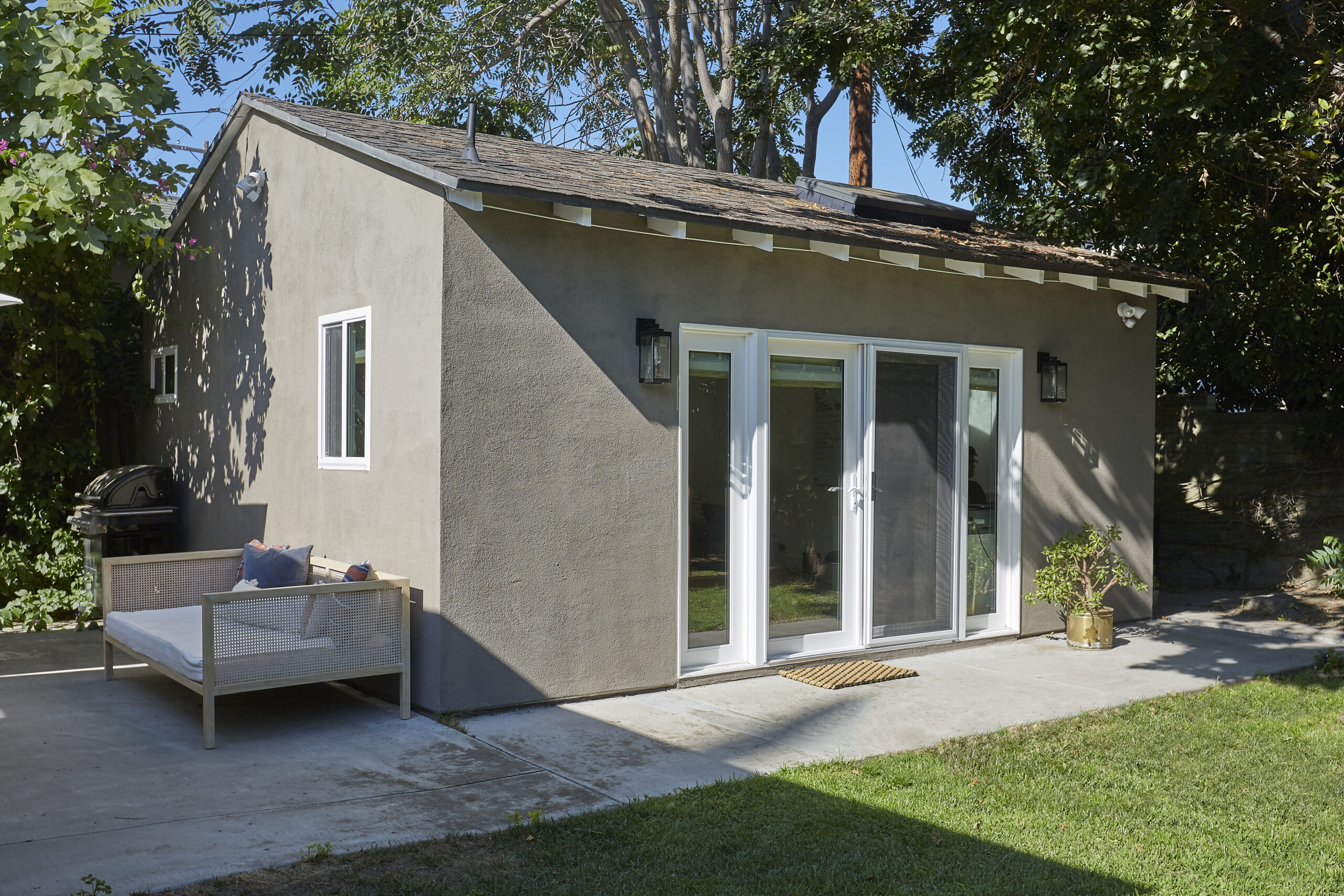
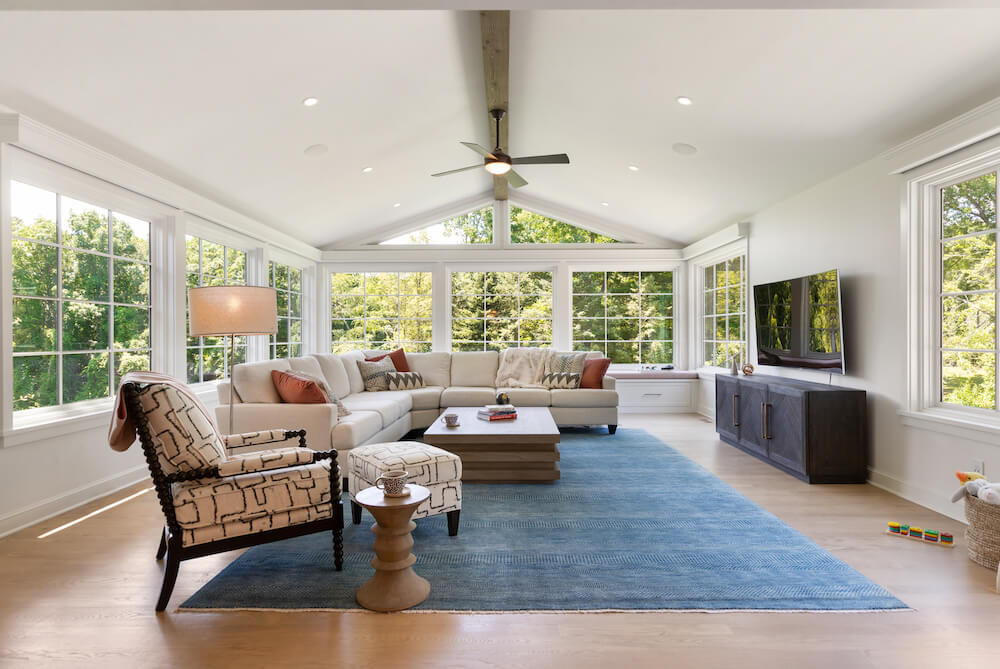
A remodeled ADU designed as additional space for guests

Key points

  • ADUs can create family space, support aging in place, or bring in rental income.
  • In Boston, the rules vary by ADU type: internal, attached, or detached.
  • Internal ADUs are usually simpler and less expensive than detached ones.
  • A strong ADU plan starts with zoning, permits, design, and a realistic budget.

Why build an ADU in Boston?

An ADU can solve more than one space problem at once, especially in a city where staying put often matters as much as gaining square footage. Here are some of the main reasons Boston homeowners decide to build one:

  • Room for family: An ADU can give adult children, in-laws, or returning family members a place to live with more privacy and independence. It helps everyone stay close without putting extra pressure on the main home.
  • Comfortable aging in place: An ADU can make it easier for older adults to live near family while keeping a smaller, more manageable space of their own. It can also support long-term living plans without leaving the neighborhood they know.
  • Extra income: An ADU can turn a basement, attic, garage, or backyard structure into a space that brings in rental income. That added income can help offset housing costs while making better use of square footage you already have.

Planning to renovate? Get free cost estimates from our partner GCs!

Get matched with our vetted general contractors and receive at least 3 quotations for free! You can also find endless home renovation inspiration, detailed guides, and practical cost breakdowns from our blogs.

What counts as an ADU in Boston?

Boston generally groups ADUs into three main types that homeowners should know before they start planning:

1. Internal ADUs

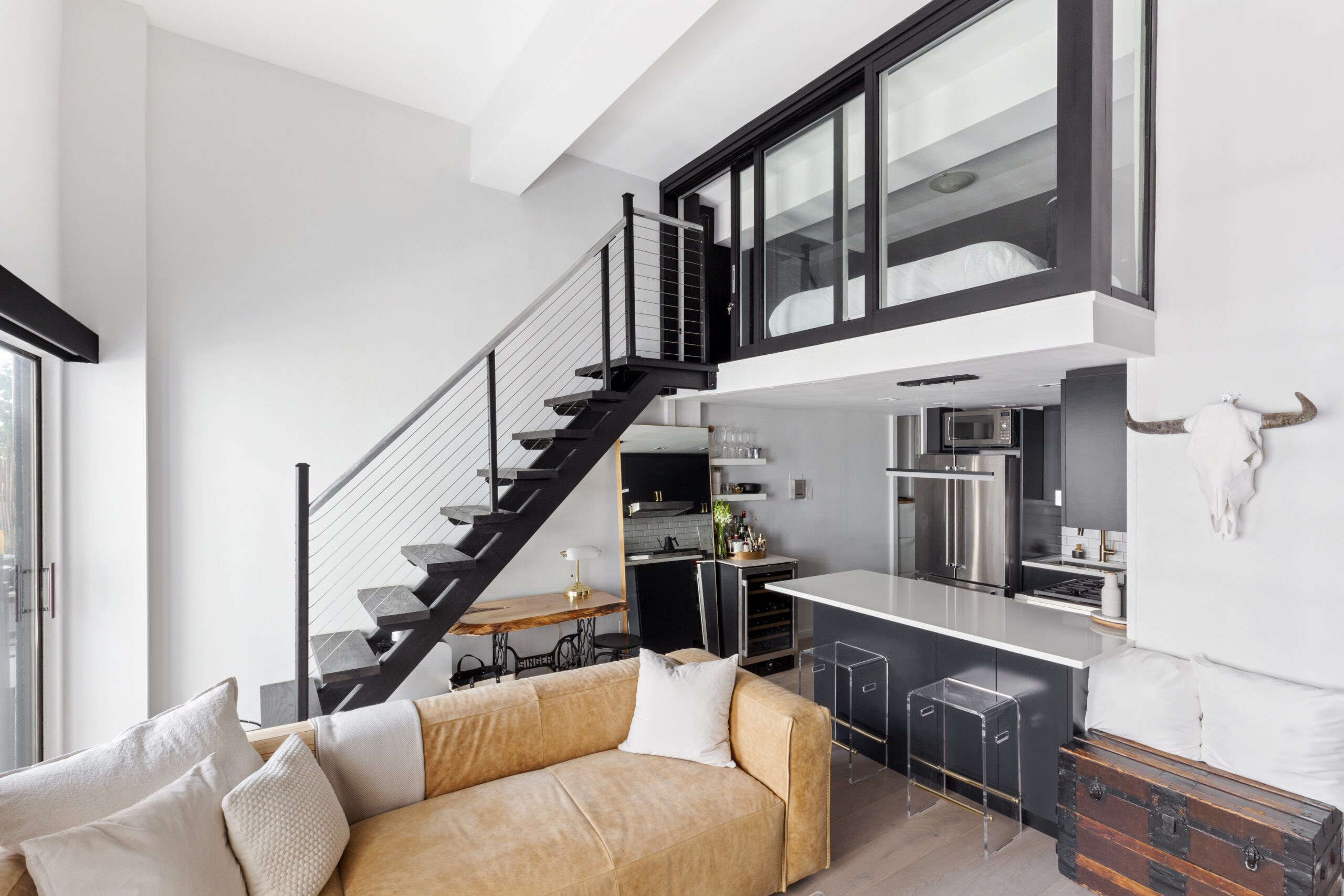
An internal ADU is built inside the existing envelope of the home, which usually means converting space rather than building outward. In Boston, that often looks like turning a basement or attic into a separate living unit with its own kitchen, bathroom, and sleeping area. These are often the easiest type to picture because they make use of square footage that is already there.

2. Attached ADUs

An attached ADU is added onto the main home rather than tucked fully inside it. In Boston, this can involve reworking existing space, adding new construction, or combining both, sometimes with a shared doorway or corridor connecting the two areas. It still reads as part of the main house, but it creates a more separate living setup for whoever will use the unit.

3. Detached ADUs

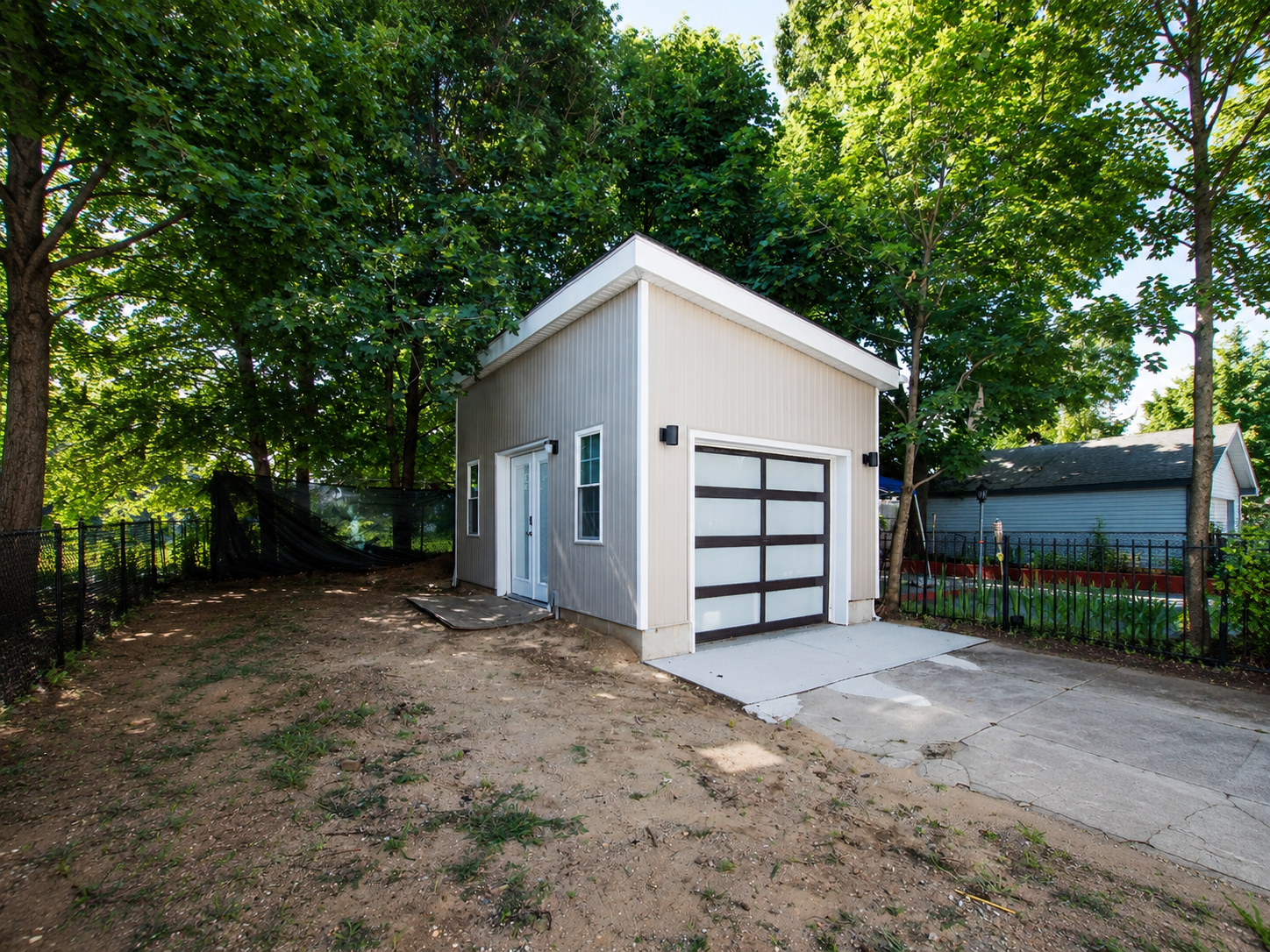
A detached ADU is a separate, smaller structure built on the same lot as the main home. In Boston, that could mean new construction in the yard or the conversion of an existing garage, shed, or carriage house into a standalone living space. These tend to offer the most privacy, which is why they often stand out to homeowners planning for rental use or long-term family living.

Can I build an ADU on my property?

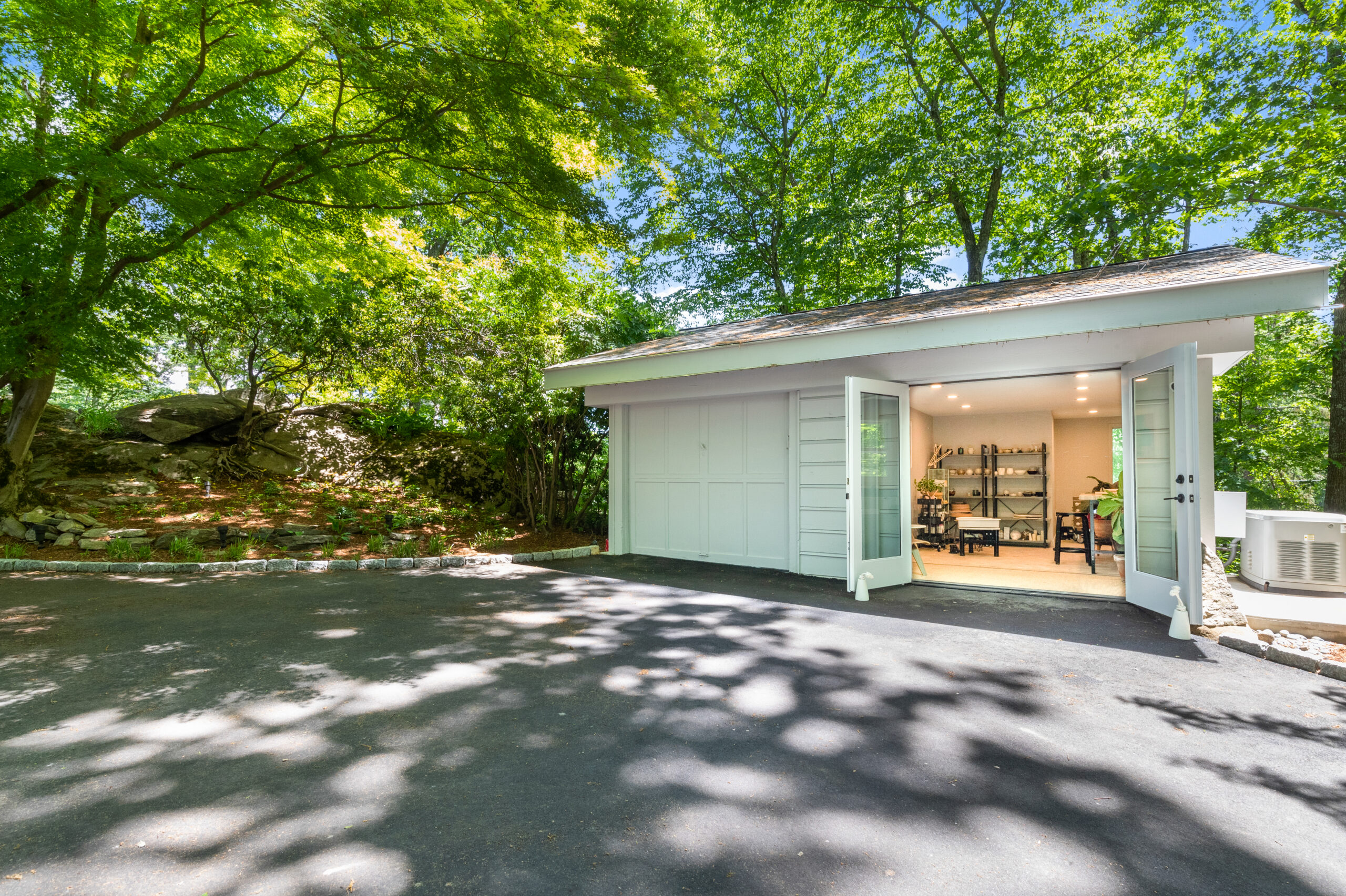
An accessory dwelling unit in mint green color with driveway used as a hobby center

Yes, many Boston homeowners can build an ADU on their property, but what you can build depends on your home type, your lot, and the kind of unit you want to add. In Boston, internal ADUs are generally the clearest fit for owner-occupied 1-, 2-, and 3-family homes, while attached or detached ADUs can require an extra zoning step.

That’s why it helps to start with the basics before you move into design and permits:

Renovate expertly with Sweeten

Sweeten brings homeowners an exceptional renovation experience by personally matching trusted general contractors to your project, while offering expert guidance and support—at no cost to you.

Start your renovation

Start with zoning

Zoning is what tells you how much flexibility your property actually has before plans start taking shape. In Boston, internal ADUs are usually the most straightforward because they stay within the existing footprint of the home.

Once a project adds new square footage outside the house, the approval path can become more involved.

Understand different types of ADUs

The type of ADU you choose affects more than layout. It can shape how much new construction is involved, whether zoning relief may come into play, and how realistic your plan is for the lot you have.

Getting clear on that early can help you narrow your options before you spend time on detailed drawings.

Use the Zoning Viewer

Boston’s Zoning Viewer is one of the most useful tools to check at the start of the process. It helps homeowners look up the zoning tied to their lot, which is especially helpful when they are considering an attached or detached ADU.

It can also help confirm whether a Mattapan property falls within the area covered by the neighborhood’s updated ADU zoning.

A quick note on Mattapan

In the part of Mattapan covered by the updated zoning, owner-occupants of 1-, 2-, and 3-family homes may build all ADU types without special zoning approval, as long as the property meets the local rules.

That makes it especially important to confirm that the parcel is within both the Greater Mattapan Neighborhood Zoning District and the PLAN: Mattapan study area before moving ahead.

How much does an ADU cost in Boston?

Michelle's Shed Turned Into an ADU

The cost of an ADU in Boston usually starts around $275 per square foot. This number is just a rough benchmark, and you can then refine it once your scope is clearer.

To help with that, answer this one basic question: Are you converting space you already have, or building something new? Converting existing space is typically the lower-cost route, while a detached unit usually comes with a much bigger budget because it is new construction.

Here’s a quick cost snapshot:

  • Internal ADU: Many internal ADUs can run upward of $75,000. This is often the more approachable path when usable square footage already exists.
  • Detached ADU: A detached ADU could start upward of $250,000. The higher price usually reflects the larger scope that comes with building a separate structure.
  • Early budgeting benchmark: A simple planning exercise is to multiply the expected square footage by $275 per square foot. Using that math, an 800-square-foot ADU pencils out to about $220,000 before you start narrowing the design and contractor pricing.

Here are some additional details on where the budget usually goes:

  • Design and permitting: Set aside money for pre-construction costs like architectural work, engineering or survey help, permit fees, and possible zoning-related fees. These expenses show up early, so it helps to account for them before construction pricing starts to take shape.
  • Construction: The largest share of the budget usually sits in the build itself. That includes the labor, materials, and trade work needed to turn the ADU plans into a finished living space.
  • Financing and contingency: Many homeowners pull together their budget with some mix of cash, loans, and home equity, while also leaving room for overruns as the scope becomes clearer. For eligible homeowners, up to $7,500 in technical assistance funding can help offset design and permitting costs.

The biggest swings usually come from the type of ADU you are building and the scope of work attached to it. That is why early budgeting works best as a planning tool, not as the final number you build your whole project around.

How do you plan and permit an ADU in Boston?

Here’s how you plan and permit an accessory dwelling unit in Boston:

  1. Finalize the design: Your ADU plans should be fully worked out before you apply for permits. Boston also requires building plans stamped by a licensed architect as part of the application.
  2. Line up your team and budget: Have your architect, contractor, and other building professionals in place before filing. It also helps to secure most of your financing early and budget for permit fees and other pre-construction costs.
  3. Apply for a long-form permit: All ADUs in Boston require a long-form building permit, and the city recommends having a licensed contractor apply on your behalf. You may also need to submit supporting documents like your contractor agreement, proof of workers’ compensation, and site, plot, and floor plans.
  4. Prepare for zoning review: If your plans do not meet the zoning rules for your property, you may need zoning relief from the Zoning Board of Appeals. Attached or detached ADUs are some of the projects that can trigger that extra step.
  5. Track the permit process: A complete application may be reviewed in about five weeks, though zoning relief or missing documents can stretch that out. You cannot start work until you receive your printed building permit card, and Boston’s permit finder can help you check your status along the way.

Ready to renovate? Start here for free!

Here you can learn more about our services and locations. Alternatively, browse more home renovation inspirations, processes, and cost guides.

Frequently asked questions

An ADU is a smaller, self-contained residential unit on the same lot as a main home. It can be built within an existing house or as a separate unit outside of it.

Yes, ADUs are allowed in Boston for many owner-occupied 1-, 2-, and 3-family homes on the same parcel. Internal ADUs are generally allowed citywide, while attached or detached ADUs may need extra zoning approval depending on the property.

Most Boston ADU projects are best handled by a licensed general contractor, and the city recommends having your contractor apply for the long-form permit on your behalf. Hiring a general contractor can make the process easier by coordinating permits, trades, scheduling, and day-to-day construction.

Yes, you need a permit to build an ADU in Boston. All ADUs require a long-form building permit, and you must have an approved building permit before any construction starts.

You may also like

Renovate with Sweeten!

sweeten-magic

We’ll match you with vetted general contractors and offer support until your project is done — at no cost to you!

Start your renovation

Customer review 5.0

sweeten-thumbsup

“It was great to work with Sweeten. They provided excellent choices, and were honest with us when we asked questions. We recommend them for others like us with no previous experience.”

— Mary C. from Philadelphia, PA

Read more reviews —>
Start your renovation
no-cost-blue

Subscribe to our
renovation newsletter