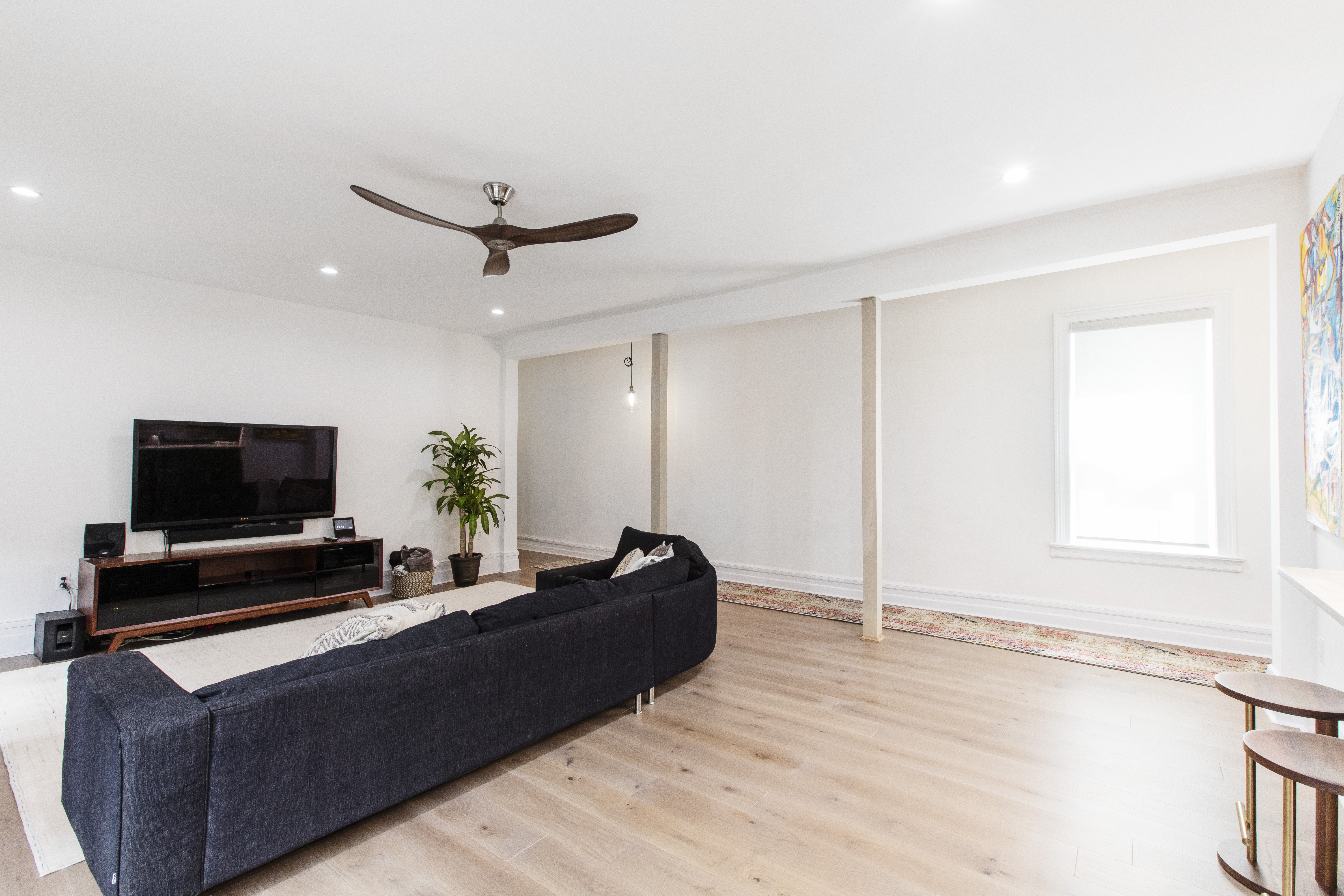
How to Make a Room Soundproof From Floor to Ceiling

We know a quieter home can feel more comfortable and easier to live in every day. For many homeowners, the real frustration starts when footsteps, street noise, voices, or TV sound keep traveling from room to room, making it harder to relax. That’s why soundproofing matters so much: it can help your home feel calmer, work better for daily routines, and give each space more separation from the noise around it.

Read on to learn practical tips to soundproof a room and improve your home from floor to ceiling.

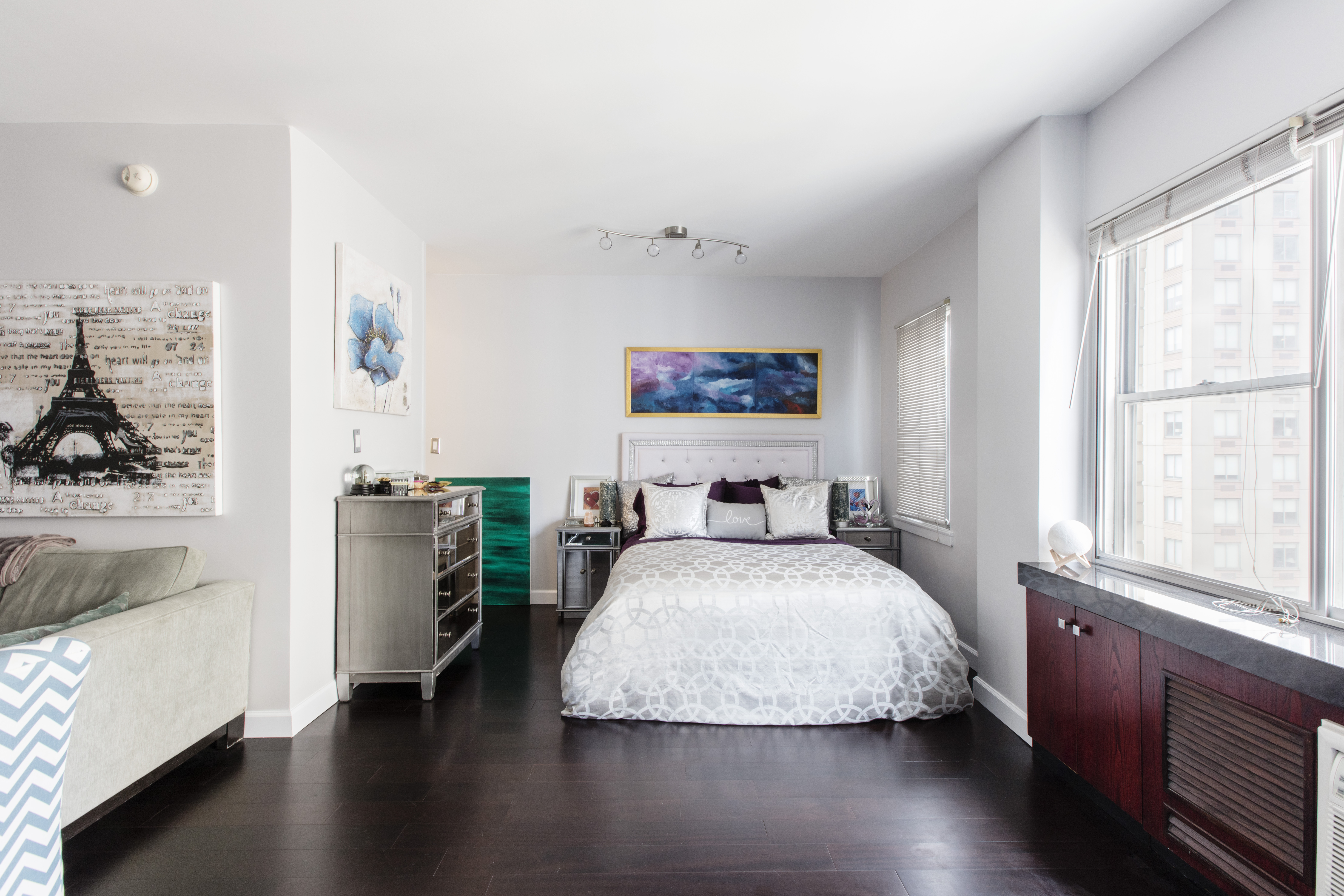
A remodeled apartment with new soundproof layer installed beneath her Brazilian cherry flooring
(Above) Christina’s remodeled apartment with new soundproof layer installed beneath Brazilian cherry flooring

Key points

  • Adding a sound-dampening layer under flooring or choosing a material like cork can help cut down on footfall noise.
  • Walls can do a lot to reduce noise when you add insulation, more mass, and sealed gaps, since those layers help limit how much sound passes from one room to another.
  • Windows, doors, and ceilings all play a role, too, so better-sealed windows, solid or sound-blocking doors, and upgraded ceiling assemblies can help create a quieter home.

How to soundproof floors

An apartment remodel with soundproofing layer added beneath his engineered wood flooring
(Above) Miguel’s apartment remodel with soundproofing layer added beneath his engineered wood flooring

A great approach to soundproof floors is to add a sound-dampening layer beneath the flooring or choose a material that naturally helps absorb impact noise, like cork. That matters because footsteps and other impact sounds travel through the full floor-ceiling assembly, not just the top surface. At Sweeten, we like floor strategies that solve the noise issue while still giving the room a finish that feels considered and renovation-ready.

A renovated kitchen uses cork tiles for flooring to provide both a soundproof and mildew-proof finish
(Above) Jessica’s renovated kitchen uses cork tiles for flooring to provide both a soundproof and mildew-proof finish

Jessica and David took a material-first route in Washington Heights, a neighborhood in Upper Manhattan, when they reworked the kitchen floor in their co-op. They chose cork tiles as part of the remodel, noting that it is both soundproof and mildew-resistant, making it a smart choice for a floor finish that pulls double duty.

To help a floor renovation cut down on more noise, keep these details in mind:

  • Ask your contractor to review the full floor-ceiling assembly, since impact sound performance is judged across the whole system, not just the finished floor.
  • If you are using hardwood, tile, or another hard surface, compare acoustic underlayments early so the sound-dampening layer is built into the flooring plan.
  • Plan for large rugs or runners in high-traffic zones after the renovation, especially over hard floors, to help soften footfall noise.
  • Pay attention to perimeter gaps and floor transitions, since those hard connections can give sound another path to travel.

How to soundproof walls

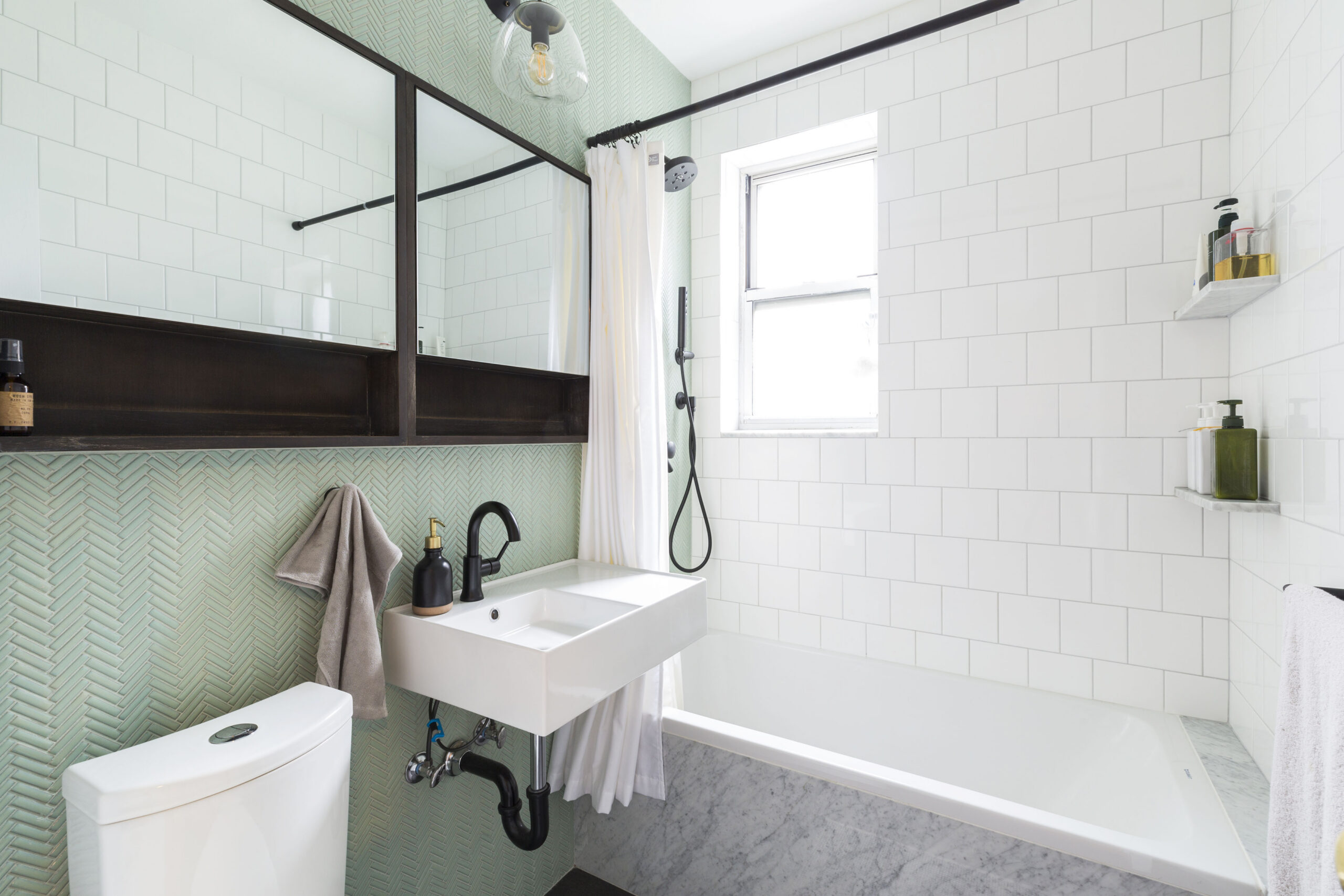
A remodeled bathroom in Kensington with soundproof porcelain wall and floor tile installed
(Above) Marie’s remodeled bathroom in Kensington with soundproof porcelain wall and floor tile installed

To soundproof walls, focus on the wall assembly itself by adding insulation, more mass, and airtight sealing anywhere sound can slip through. Here at Sweeten, we see the best results when those moves are planned during the renovation, especially in apartments and co-ops where noise can travel through shared walls and small gaps around the room.

In Kensington, Brooklyn, Marie and John’s co-op renovation shows how important planning can be. As their architect worked through co-op concerns around expanding the bathroom, the team reviewed the materials, installation methods, and other precautions with the board and building engineer, which led to excellent water and soundproofing so neighboring apartments would not be affected.

If you want wall soundproofing to do more of the heavy lifting, build these details into the plan:

Renovate expertly with Sweeten

Sweeten brings homeowners an exceptional renovation experience by personally matching trusted general contractors to your project, while offering expert guidance and support—at no cost to you.

Start your renovation
  • Seal the wall perimeter, outlets, and other penetrations with acoustic sealant to prevent small air leaks from weakening the rest of the assembly.
  • Add insulation inside the wall cavity when the wall is open, since that’s the easiest time to improve sound control without redoing finished surfaces later.
  • Consider an extra layer of drywall or a dense soundproofing membrane when you need more separation between rooms.
  • Ask whether resilient channels or isolation clips make sense for the build, because decoupling can help reduce vibration transfer through the framing.

How to soundproof windows

A renovated bedroom featuring soundproof windows, white walls, crib, and double bed
(Above) Megan’s renovated bedroom featuring soundproof windows, white walls, crib, and double bed

For windows, one of the most effective ways to reduce noise is to upgrade to soundproof or better-sealed window units that block more sound before it gets inside. That approach can make a big difference when street noise is the main problem, especially in apartments where outside sound is constant and hard to ignore

That’s exactly what stood out in Megan and Zack’s renovation in Carnegie Hill, a neighborhood on Manhattan’s Upper East Side. As they combined two apartments into one family home, Megan said the best money they spent was on soundproof windows, noting that they used to hear everything happening outside on the street and that the drop in noise transformed the space.

When you are planning for quieter windows, these extra details can help round out the result:

  • Check for air leaks around the frame and trim, since even small gaps can let in more sound than expected.
  • Ask about laminated glass or multi-pane assemblies if your home faces a busy street or another steady source of noise.
  • Pair the window upgrade with heavier window treatments to help soften the room and reduce sound reflection inside.
  • Make sure the installation is as strong as the product itself, because poor sealing can weaken the benefit of a better window.

How to soundproof doors

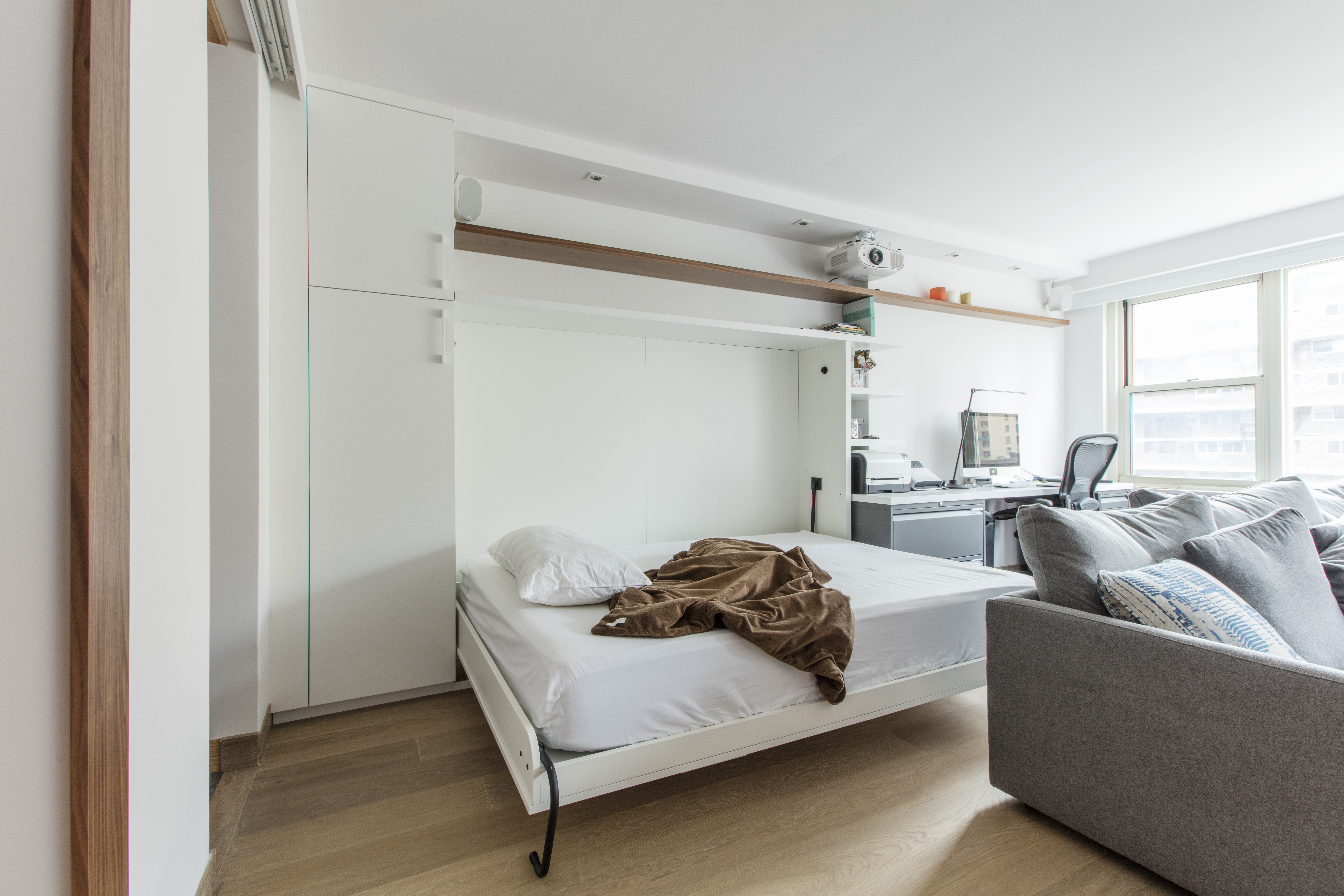
An apartment renovation featuring a children’s bedroom with a soundproof pocket door installed
(Above) Samantha’s apartment renovation featuring a children’s bedroom with a soundproof pocket door installed

One of the clearest ways to soundproof doors is to swap in a better-sealed door that blocks noise more effectively than a lighter or more open design. That can be especially helpful for bedrooms, nurseries, or kids’ rooms, where the goal is not just privacy but being able to use the rest of the home without every sound carrying through. Many homeowners are surprised by how much difference a door can make, since it is often one of the most direct paths for noise to travel.

Samantha and Jameson ran into that issue in Clinton Hill, Brooklyn, New York, where their daughters’ shared bedroom originally had French doors opening to the living and dining room. Because those doors were not soundproof, the room could not stay quiet once the kids went to bed, so the renovation replaced them with a sound-blocking pocket door that gave the family much more flexibility at night.

For a door to do more of the acoustic work, the surrounding details matter too:

  • Add weatherstripping around the frame so sound does not slip through the perimeter gaps.
  • Upgrade hollow-core interior doors to solid-core versions when you want more separation between bedrooms and shared spaces.
  • Include a door sweep or bottom seal, since the gap at the floor is often one of the biggest weak points.
  • Review any glass panels or sidelights in the design, as they can reduce the amount of sound the door assembly blocks.

How to soundproof ceilings

To soundproof ceilings, add more separation to the assembly with acoustic insulation, extra drywall, or isolation clips. These upgrades help reduce noise from the room above, especially footsteps, dragged furniture, and TV sound. Ceiling soundproofing usually works best when you plan with your general contractor during a renovation, especially if soundproofing a room means dealing with noise from upstairs.

This is one area where the hidden work matters most. If the ceiling is open, you can add mineral wool insulation, seal gaps around lights and vents, and decide whether another layer of drywall or isolation clips would help reduce both impact noise and airborne sound.

If you are thinking through ceiling soundproofing, keep these details in the mix:

  • Seal around recessed lights, vents, and ceiling fixtures so that small openings do not weaken the rest of the assembly.
  • Ask whether a second layer of drywall makes sense in rooms where upstairs noise is constant.
  • Pair the ceiling work with rugs or softer flooring in the room above when possible, since impact noise often starts there.
  • Review pipes, ductwork, and other overhead chases during the renovation, because sound can travel through those concealed routes.

What to know about soundproofing a room

A duplex renovation in Manhattan featuring a soundproofed office with acoustic wall panels installed
(Above) Rachel’s duplex renovation in Manhattan featuring a soundproofed office with acoustic wall panels installed

Soundproofing a room works best when you look at how noise is entering the space and where it is traveling next. Floors and ceilings help address impact noise, walls and doors can improve privacy between rooms, and windows often matter most when outside noise is the main issue. The strongest results usually come from layering a few smart fixes instead of relying on just one.

That’s also why timing matters so much. When a renovation already involves opening up floors, walls, or ceilings, it becomes much easier to add insulation, underlayments, better seals, and other details that can make the room noticeably quieter.

A quieter home is not just about reducing noise. It can make it easier to sleep, focus, relax, and use each room the way you want to. When you approach sound control from floor to ceiling, the payoff is a home that feels calmer and more comfortable every day.

Frequently asked questions

You can make a room more soundproof by treating the main places where noise travels, especially the walls, floors, windows, doors, and ceiling. Sealing gaps, adding insulation where assemblies are open, and choosing better-sealed doors or windows can make the room noticeably quieter because sound often slips through weak points first.

You can soundproof a room for music by building up the room assembly with insulation, added mass, and airtight sealing so the sound stays in the space instead of leaking out. It also helps to focus on the usual trouble spots, like doors, windows, and the ceiling or floor above and below, since music can travel through openings, framing, and vibration paths.

Yes, acoustic panels for walls are worth it if your goal is to reduce echo and make a room sound less harsh inside. They are not the same as full soundproofing, though, so they work best as a supporting layer rather than the main fix.

You may also like

Renovate with Sweeten!

sweeten-magic

We’ll match you with vetted general contractors and offer support until your project is done — at no cost to you!

Start your renovation

Customer review 5.0

sweeten-thumbsup

“Sweeten made the process of gathering bids easy and painless, and I was able to find a great contractor. I'll use it again.”

— Holly M. from Queens, NY

Read more reviews —>
Start your renovation
no-cost-blue

Subscribe to our
renovation newsletter