6 Signs Your House Needs a Whole Home Renovation

When more than one room no longer fits the way you live, small updates can start to feel like temporary fixes. A whole-home renovation can help connect the layout, storage, flow, and function into a clearer plan.

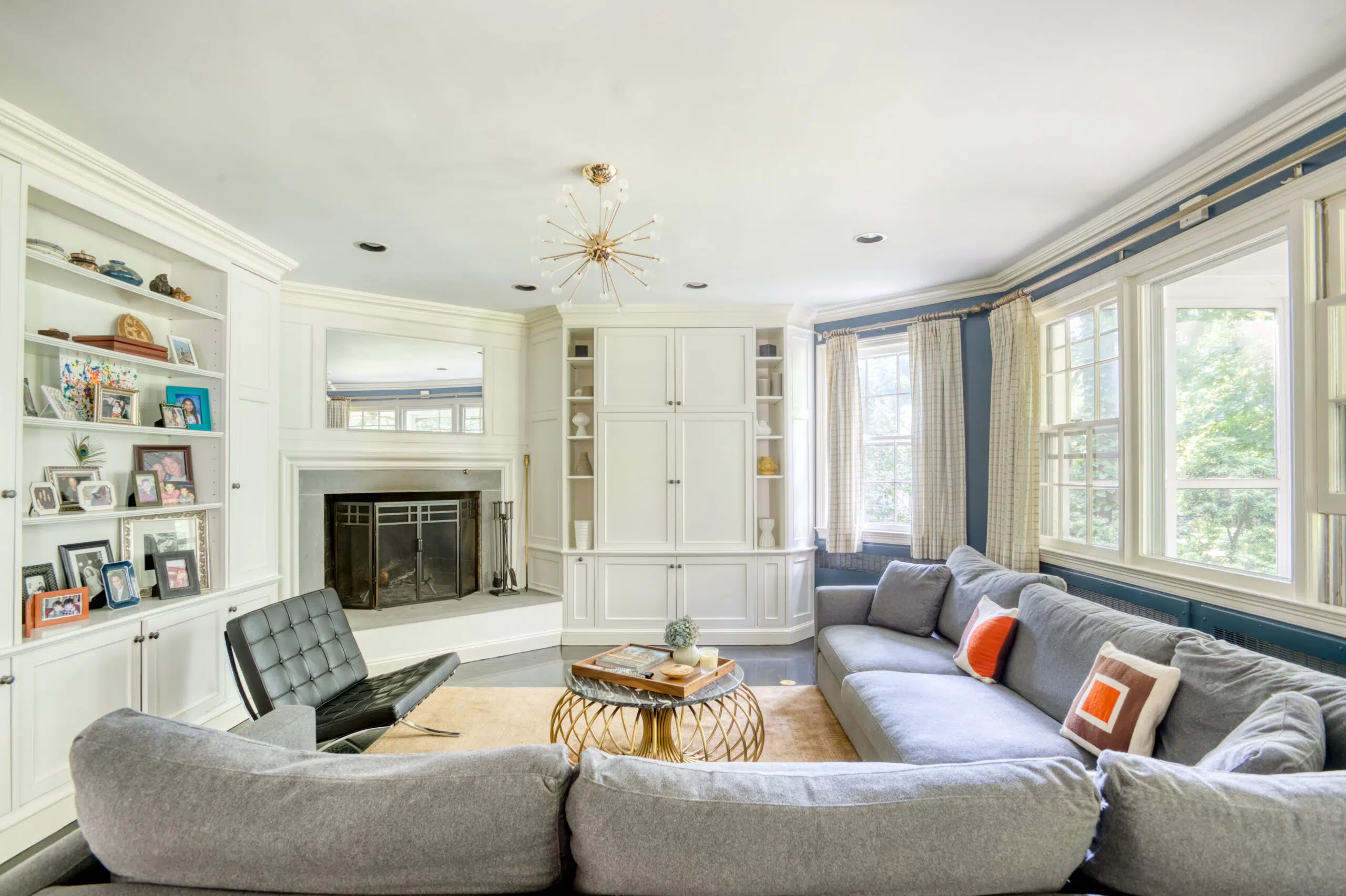
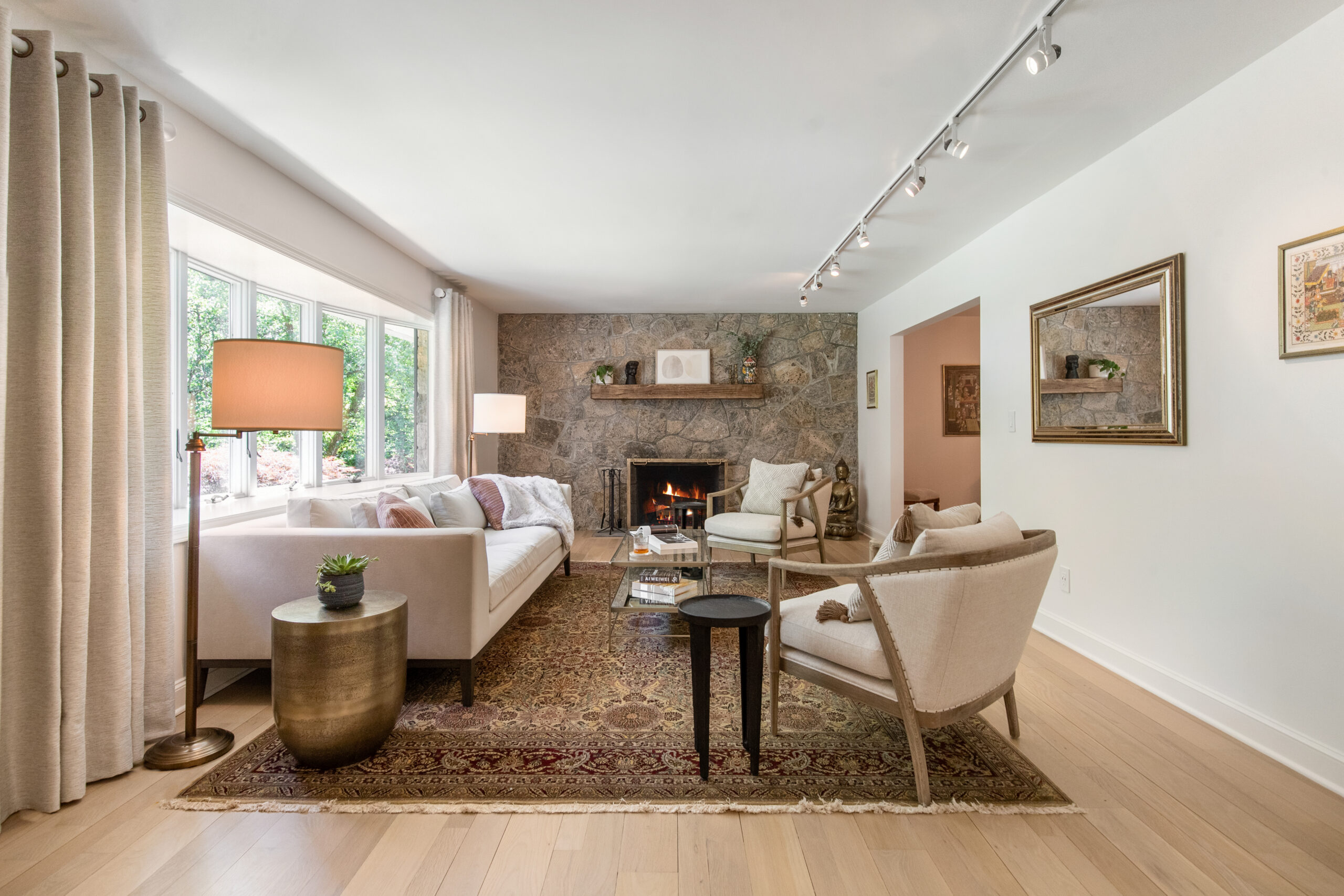
Westchester living room, part of a whole home renovation, with custom built-ins, a fireplace surround, blue walls, large windows, and a sputnik chandelier.
(Above) A homeowner's remodeled living room in Westchester, part of a whole home renovation, with custom built-ins, a fireplace surround, blue walls, large windows, and a sputnik chandelier.

Key takeaways: When to choose a whole home renovation

  • A whole home renovation may make sense when several rooms require coordinated changes.
  • Rethinking the existing footprint can often solve more than adding square footage.
  • Layout problems, limited storage, and poor flow often point to a bigger scope.
  • Changing household needs can make an older floor plan feel out of step.
  • A general contractor can help map the right scope before projects become piecemeal.

Some homes don’t need just one room fixed. They need a closer look at how the whole space works together.

Maybe the kitchen feels closed off, the bedrooms lack enough storage, the bathrooms need updates, and the hallway takes up space that could be used more effectively. When those issues overlap, an extensive remodel can be more practical than planning separate projects.

Let’s take a look at six whole-home renovation signs featuring Sweeten projects that showcase when homeowners needed a single connected plan for their existing space.

Sign #1: More than one room needs major work

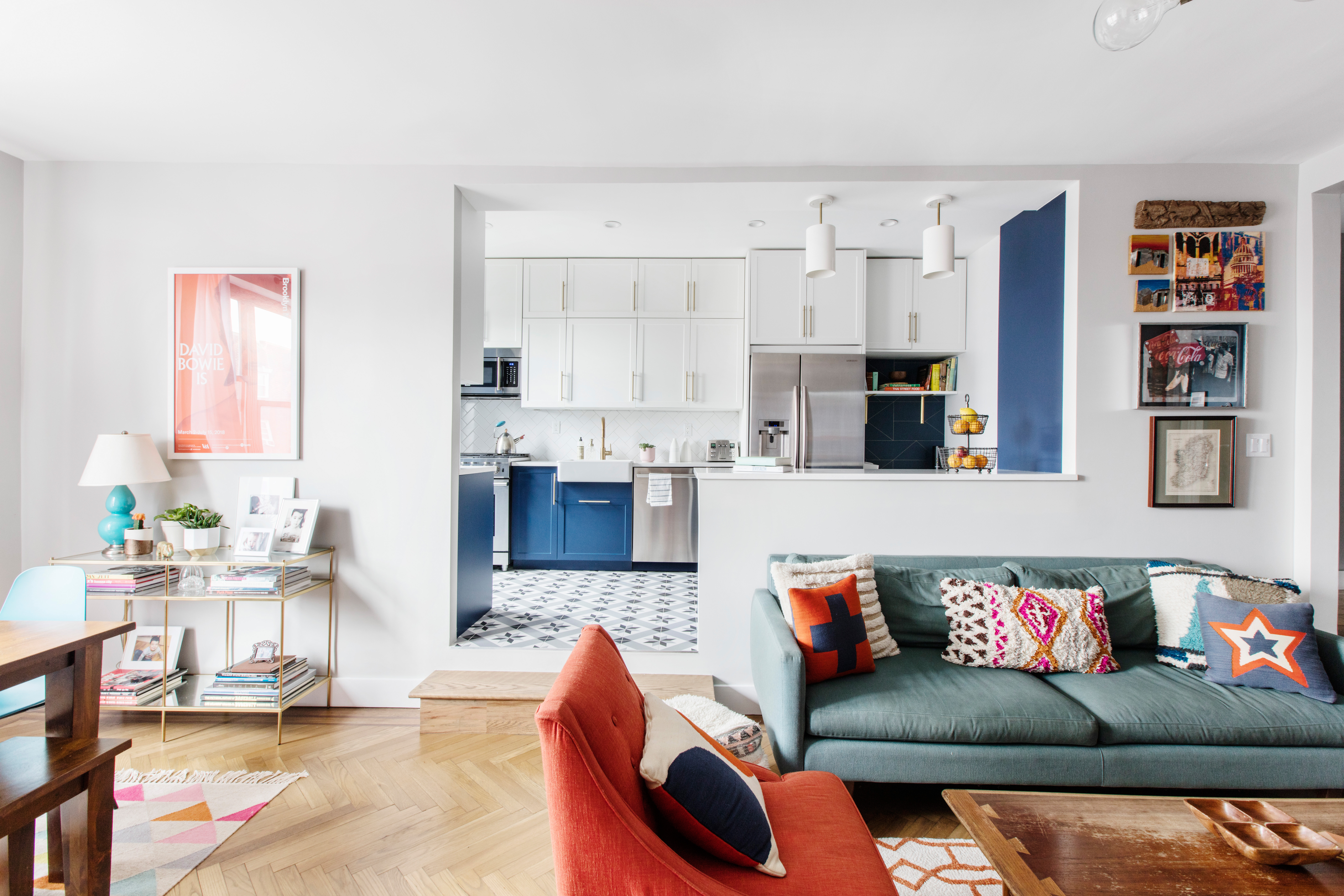
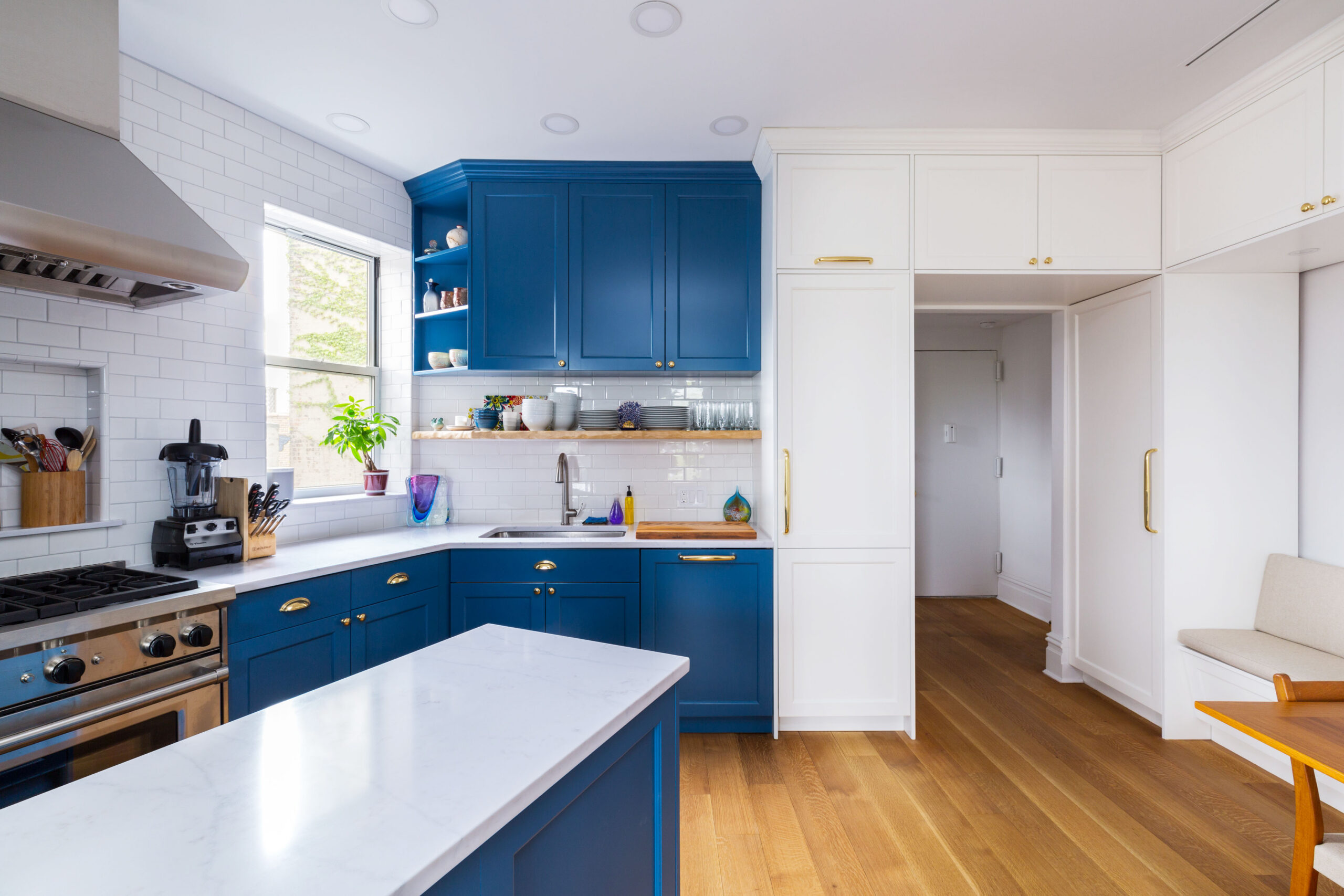
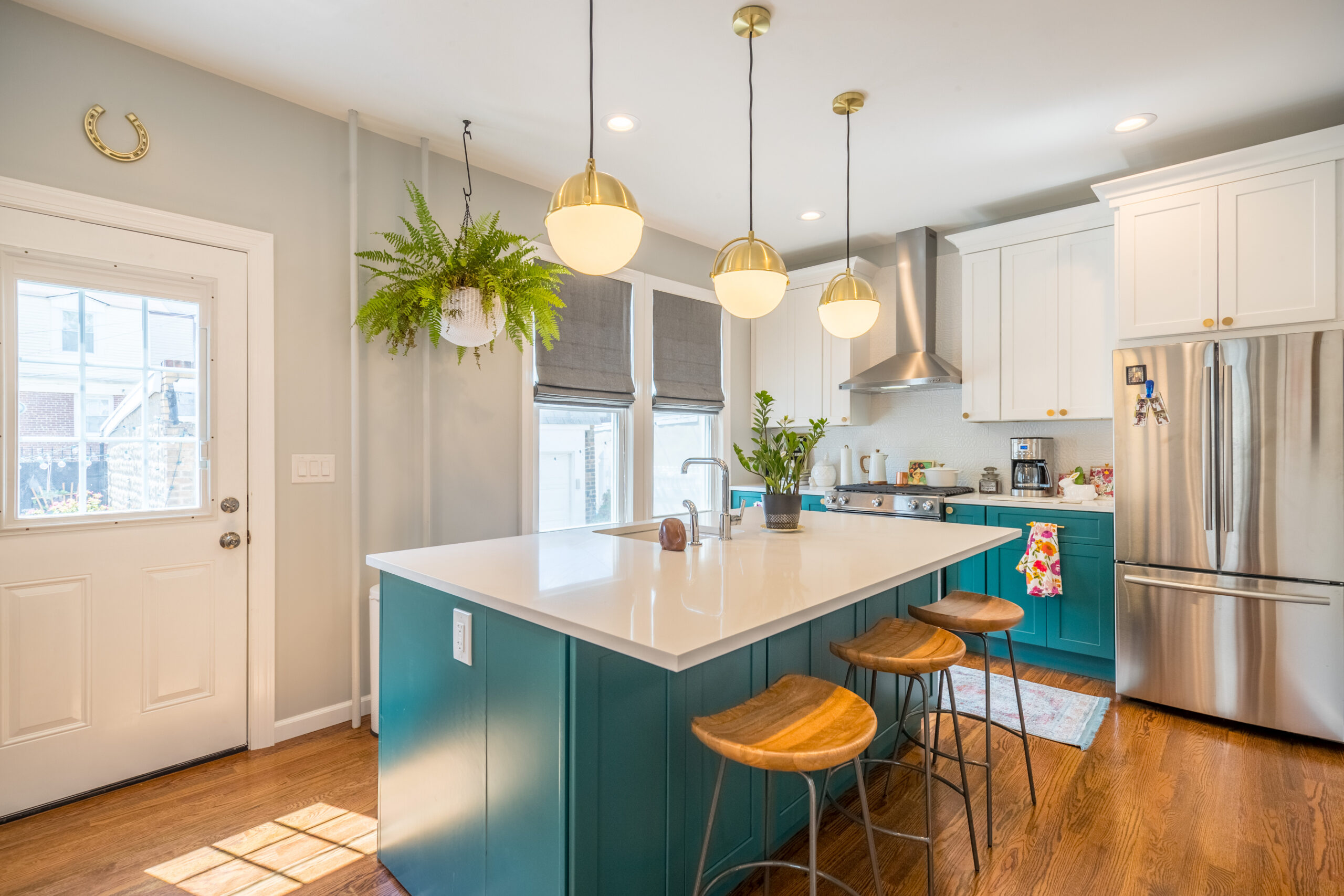
A Kensington whole home renovation opens a kitchen with blue cabinetry and patterned tile to a living area with white walls and warm wood floors.
(Above) A Kensington whole home renovation opens a kitchen with blue cabinetry and patterned tile to a living area with white walls and warm wood flooring.

One of the biggest signs that a whole home renovation may be necessary is when more than one room needs major work. When the kitchen, bathrooms, bedrooms, lighting, storage, and layout all need attention, the project is no longer about one problem area. It becomes a bigger question of how the home should function as a whole.

Separate updates can start to create new problems when several rooms are connected. Once a project affects another room’s layout, storage, lighting, or utilities, it may be time to plan with a remodeling contractor.

Here are the red flags that the scope may be bigger than one room:

  • Two or more rooms need major layout changes
  • Storage problems show up throughout the home
  • Lighting, flooring, or electrical updates affect several areas
  • A single-room update would leave nearby spaces feeling unfinished

Barbra renovated her family’s prewar co-op in Kensington, Brooklyn, after years of living with dated rooms and layout problems. She and Sean opened up the kitchen, added a better pass-through, updated the lighting and electrical, refinished the floors, improved the closets, and renovated both bathrooms.

Their project shows how several room-level issues can add up to one whole-home plan with the right team of contractors.

Sign #2: The home’s original setup no longer fits

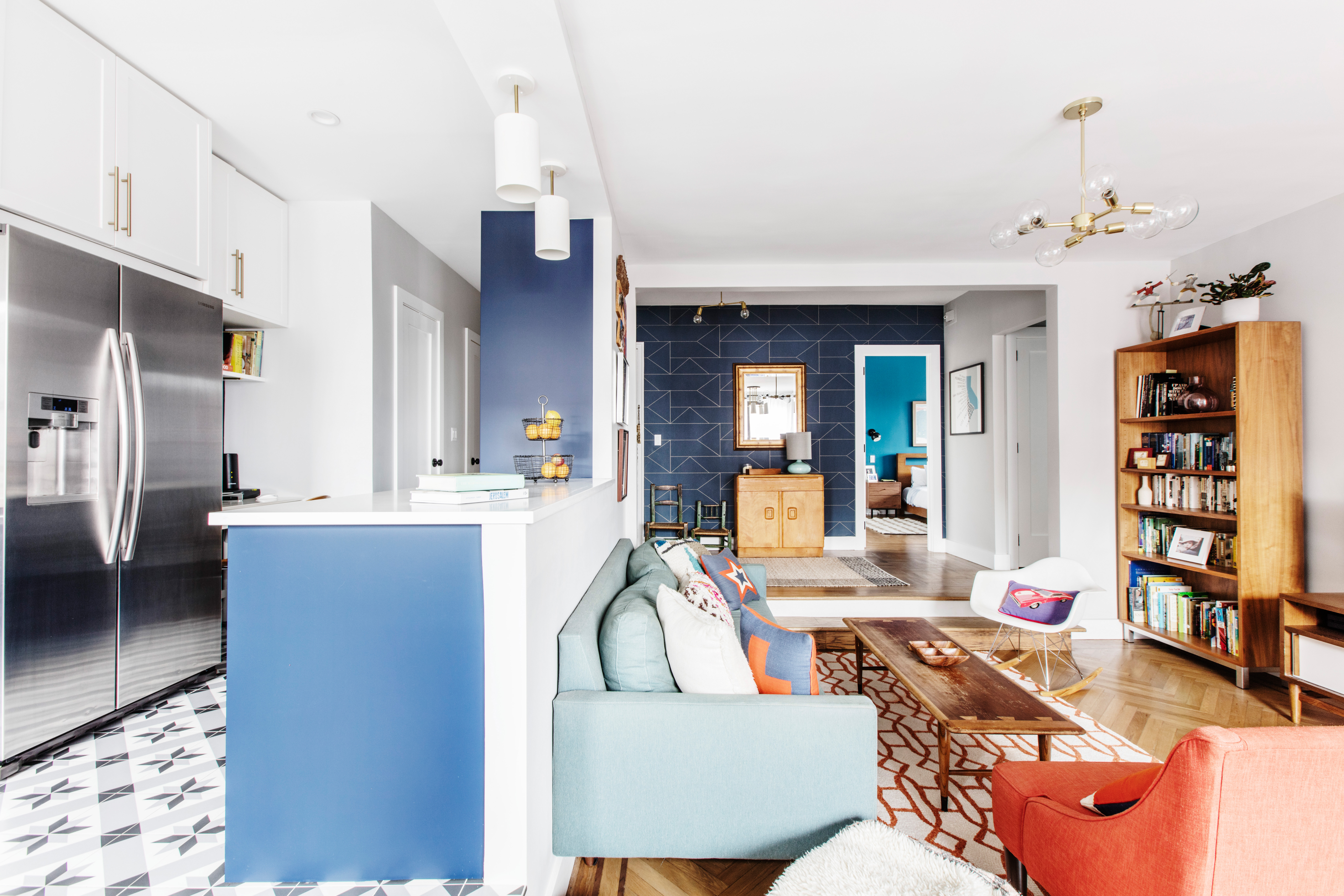
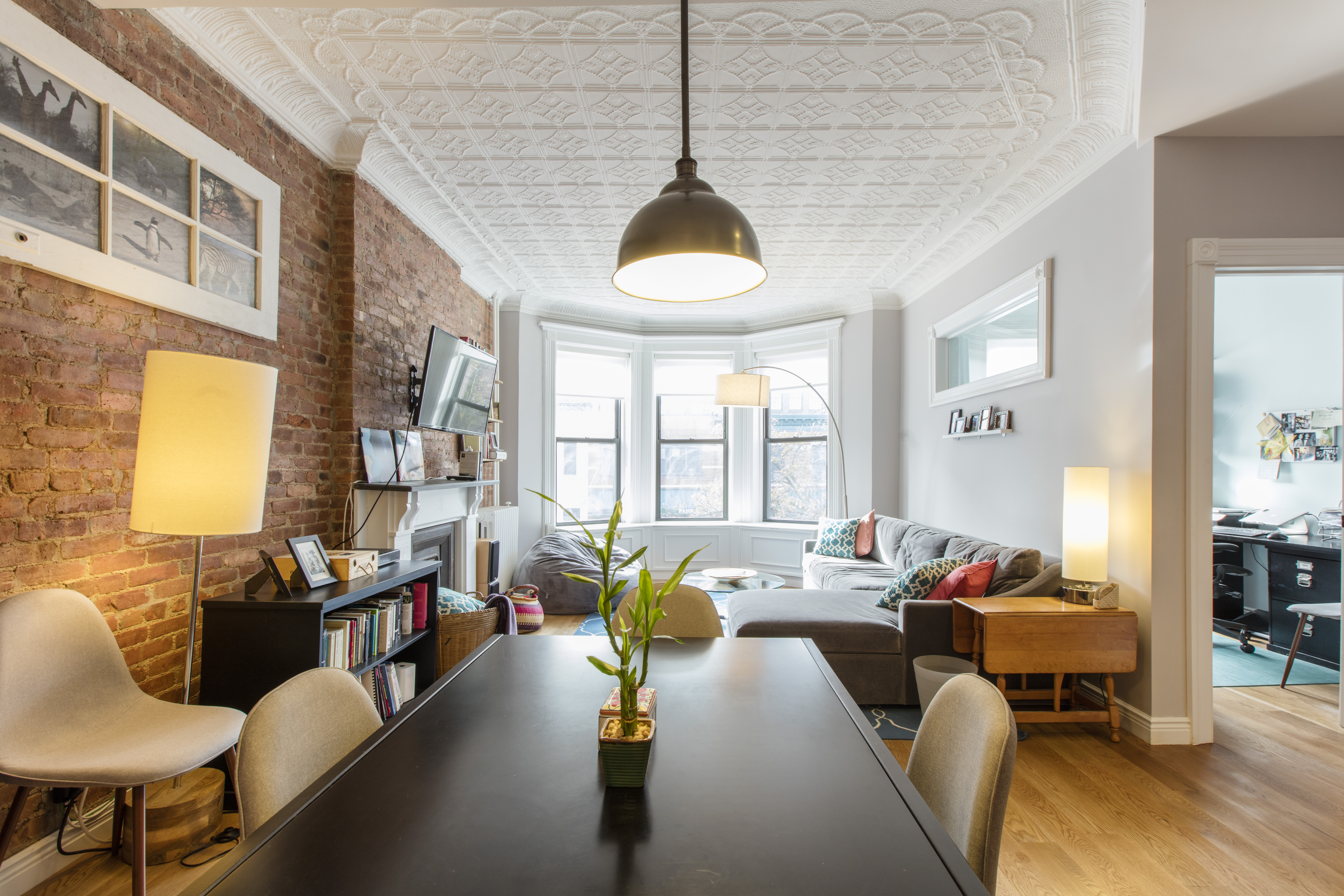
(Above) A Sunset Park whole-home remodel shows a brighter living room connected to an office, with wood floors, open shelving, and modern brass lighting.

Another clear sign that a whole home remodel may be needed is when the home’s original setup no longer fits the needs of the homeowners. This often happens when a home was built for one lifestyle but now has to support another. A two-family layout, chopped-up rooms, or closed-off circulation can make daily life feel harder than it should.

The original floor plan can limit what smaller updates are able to fix. Once the problem is tied to how rooms connect, a broader renovation can help the home match the way people live now.

Watch for these signs that the setup is working against you:

  • The home was built for a different household type
  • Rooms feel closed off from one another
  • The floor plan makes family time or entertaining harder
  • Needed changes affect more than one level

In Sunset Park, Brooklyn, Ray and AJ reworked a three-story townhouse that had been set up as a two-family home. They wanted an open first floor, three bedrooms upstairs, and better flow from front to back.

Their renovation relocated the kitchen, opened the home visually, and created a layout that fit their growing family.

Sign #3: Your long-term plans call for bigger changes

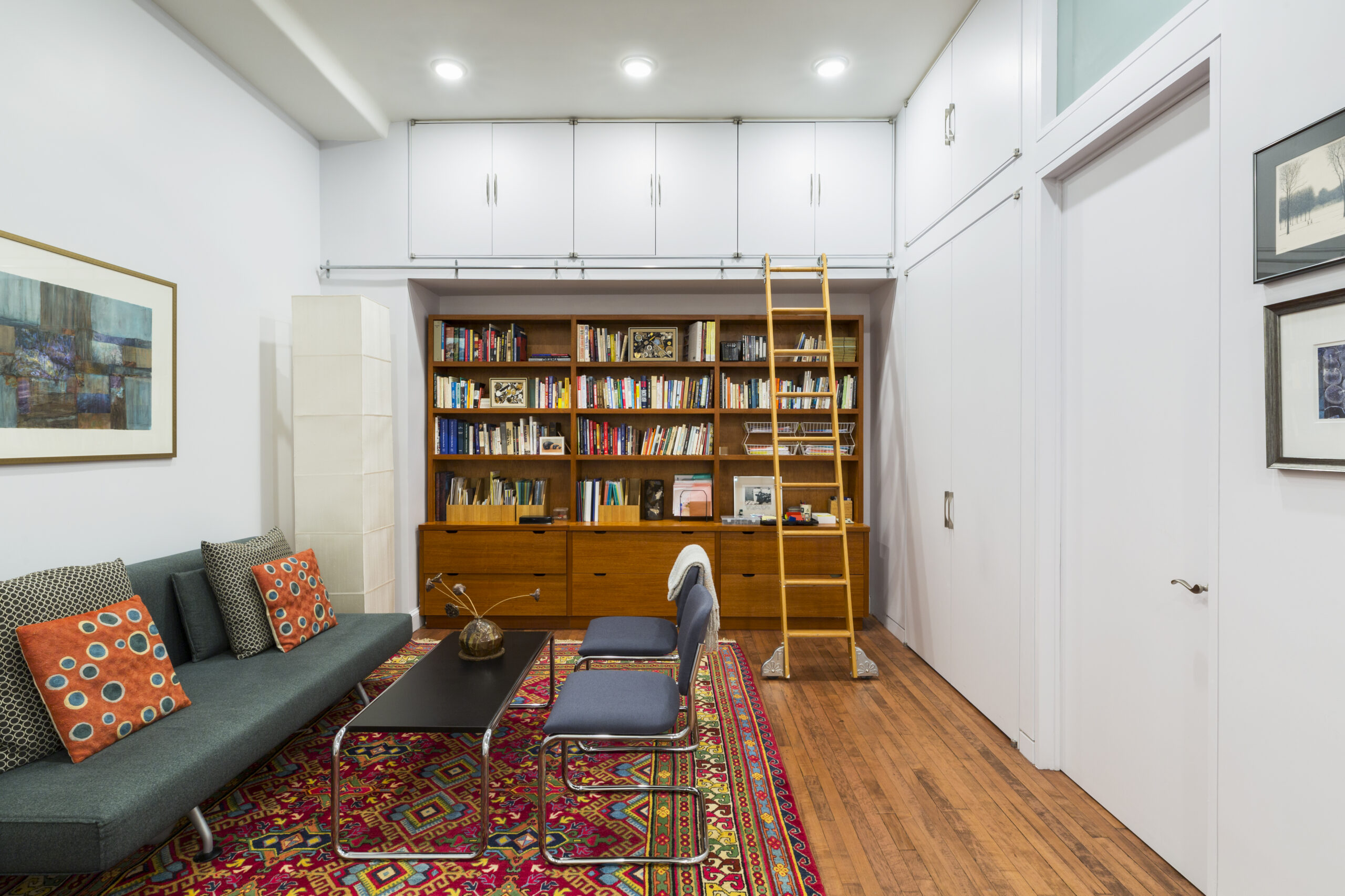
West Village whole-home remodel adds tall storage, library shelving, a rolling ladder, warm wood floors, and a cozy lounge area.
(Above) A West Village whole-home remodel adds tall storage, library shelving, a rolling ladder, warm wood floors, and a cozy lounge area.

Long-term plans calling for bigger changes can mean a whole home renovation is the better path. This is especially true when homeowners want to stay put but need the home to support a new stage of life. The goal becomes less about updating finishes and more about planning for how the home will be used.

Renovate expertly with Sweeten

Sweeten brings homeowners an exceptional renovation experience by personally matching trusted general contractors to your project, while offering expert guidance and support—at no cost to you.

Start your renovation

A home that still has the right location may need a new plan inside. When the next chapter calls for better storage, easier circulation, and major layout changes, small updates may not go far enough.

These are the signs that long-term plans may need a bigger scope:

  • You want to stay, but the layout feels dated
  • The home needs accessible bathrooms, a better guest space, or easier circulation
  • Storage and circulation need major improvement
  • The project includes several layout changes, not just new finishes

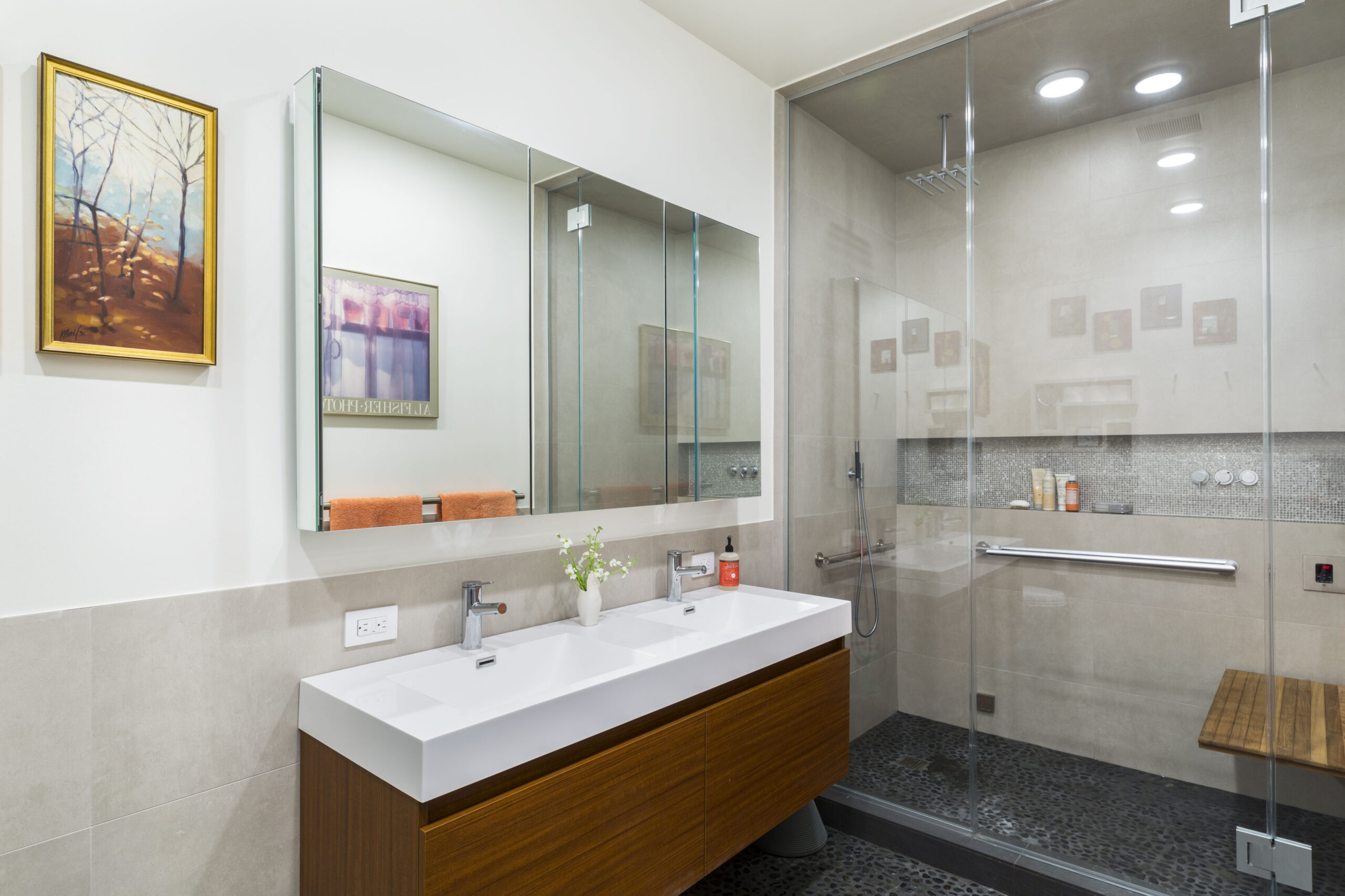
Neil, who lives in West Village, Manhattan, renovated his condo with Ilene after deciding not to move. Their project included moving the front entry, creating a new room with sliding doors, updating the kitchen, adding walk-in closets, and replacing the bathtub with a walk-in steam shower.

The remodel was shaped around staying in a home they already loved.

Sign #4: Storage and layout problems overlap

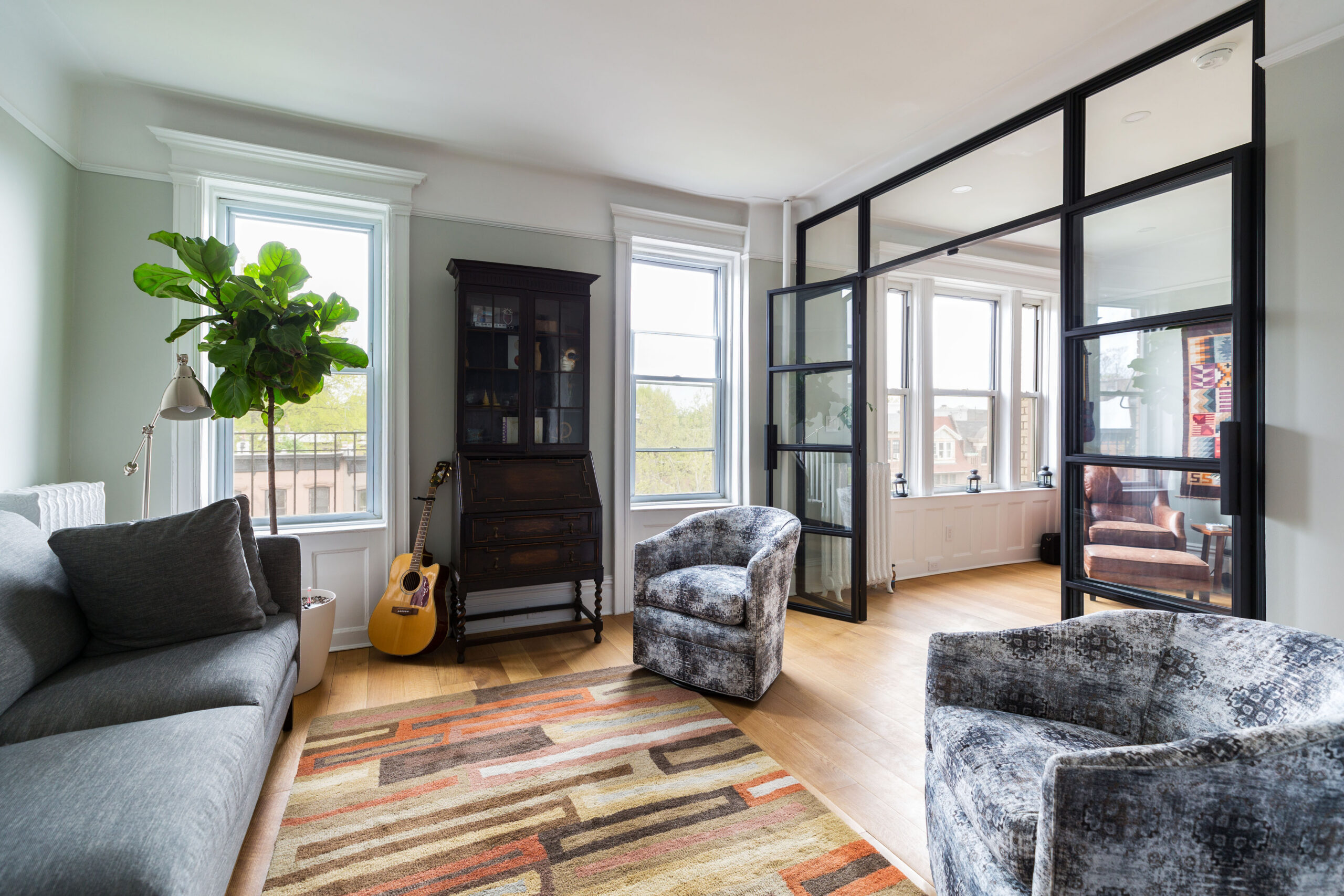
(Above) A Park Slope whole-home remodel opens the living room with black-framed glass doors, restored wood floors, soft wall color, and brighter flow.

Storage and layout problems that overlap can signal that a whole-home renovation may be needed. When clutter is not the only issue, more cabinets alone may not solve it. The real problem may be that rooms, circulation, and storage all need to be planned together.

Storage issues often point to a deeper layout problem. When adding useful storage, it may mean moving rooms, changing walls, or rethinking traffic flow, making the project larger than a closet upgrade.

Look closely if these issues keep showing up together:

  • Hallways take up too much usable space
  • Storage is missing in several rooms
  • The kitchen, bedrooms, and living areas all feel cramped
  • Built-ins or layout changes are needed throughout the home

In Park Slope, Brooklyn, Walter renovated a 700-square-foot co-op with Laura to solve layout and storage problems together. They removed a long hallway, swapped the kitchen with a center bedroom, and added built-ins throughout the apartment.

The result kept the home’s character while making each room more useful.

Sign #5: The project scope affects the whole home

A Westchester office in a whole home renovation with floating shelves, pale wood paneling, parquet floors, a glass desk, and recessed lighting.
(Above) A Westchester office in a whole home renovation with floating shelves, pale wood paneling, parquet floors, a glass desk, and recessed lighting.

A strong sign that a whole-home remodel may be needed is when the project scope affects the entire house. Sometimes one update leads naturally into the next because rooms share flooring, storage, finishes, or circulation. When the work touches several spaces, planning it together can help the home feel more cohesive.

A home-wide scope can be easier to see once several updates are on the table. When bathrooms, entries, living areas, workspaces, and utility zones all need attention, one plan may be cleaner than repeated starts and stops.

These are the clues that the scope has become home-wide:

  • Several rooms need updates at the same time
  • Finishes, flooring, or style choices affect the whole home
  • Bathrooms, storage, and living areas all need attention
  • A room-by-room plan would create repeated starts and stops

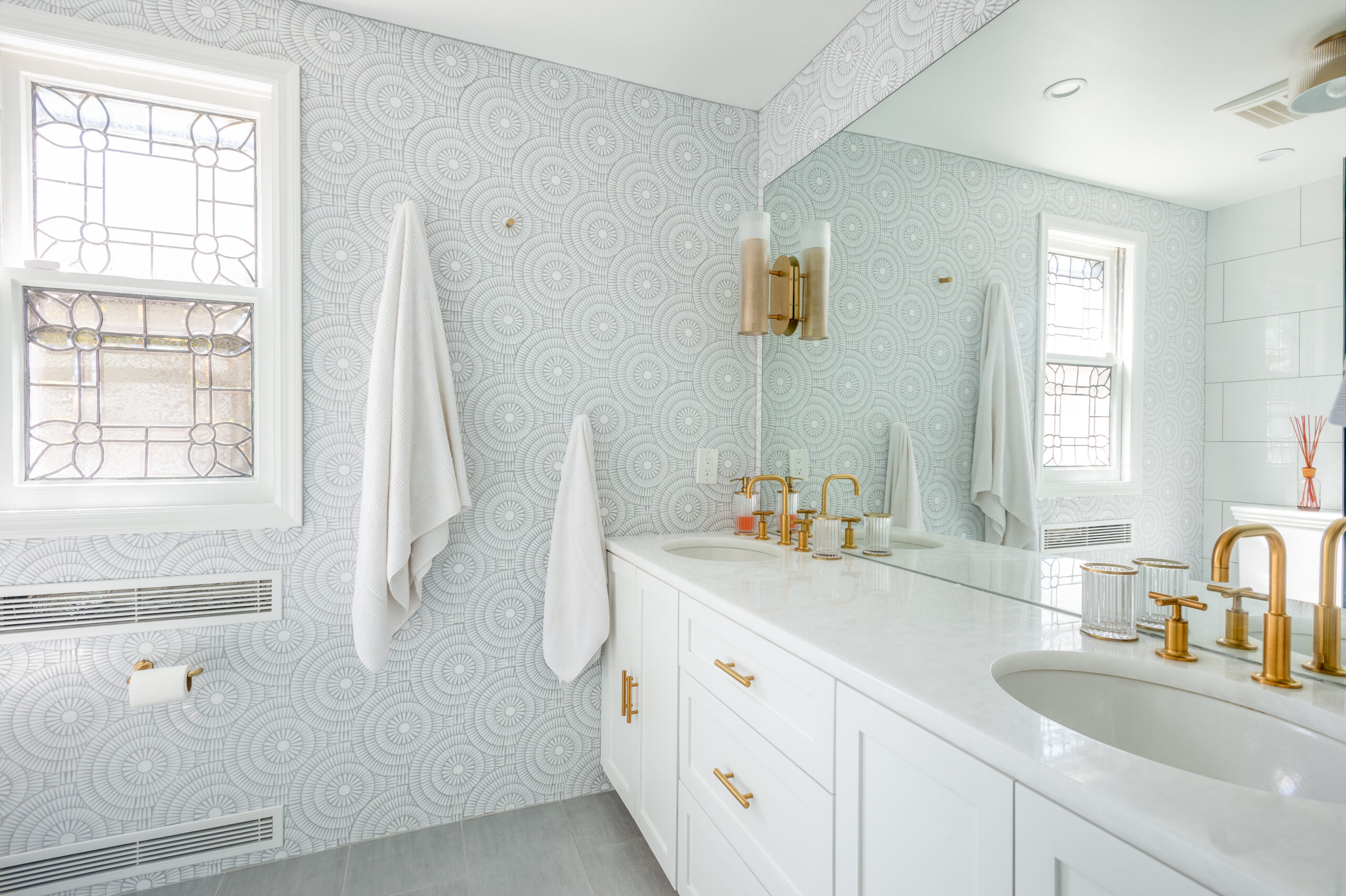
In Westchester, New York, the homeowner renovated the whole house at once after living there long enough to form a clear vision. The bathroom designs were updated, while the foyer, mudroom, kitchen, office, and living spaces received connected updates.

Sign #6: The layout no longer supports daily life

A layout that no longer supports daily life is one of the clearest signs that a whole home renovation may be needed. This can happen when work, family, hobbies, and storage all compete for the same rooms. When the floor plan fights normal routines, small updates may only smooth the edges.

Daily routines tend to reveal layout problems quickly. When work areas, bedrooms, laundry, storage, and gathering spaces all need rethinking, the home may need a larger plan instead of isolated updates.

A daily-life mismatch can show up in these ways:

  • A work or creative space has no proper place
  • Bedrooms, offices, and storage compete for square footage
  • The home’s levels feel disconnected or inefficient
  • The layout no longer supports gathering, privacy, or routine

A layout that no longer supports daily life usually means the renovation needs to look beyond one room. Work areas, bedrooms, laundry, storage, and shared spaces often depend on one another, so changing one area can affect the rest of the home. Planning these updates together can help homeowners create a layout that better fits how they live now.

The final verdict: When a whole home renovation makes sense

A whole home renovation makes sense when several rooms need connected changes, not isolated updates. The signs usually show up through poor flow, limited storage, outdated rooms, or a layout that no longer fits daily life. When one fix keeps affecting another space, a larger plan can be the more practical path.

Start by listing which rooms need work, what problems overlap, and which changes affect layout, utilities, or storage. Sweeten can help connect you with experienced, vetted general contractors who understand whole-home remodels and can guide the next step.

PriorityIndicatorAction
HighMore than one room needs major workPlan the scope as one connected project
HighThe layout no longer supports daily lifeExplore changes that improve flow and function
MediumStorage problems show up across the homeLook at built-ins, room swaps, and better circulation
MediumLong-term plans call for bigger changesRenovate around how you want to live next

Frequently asked questions

Your house may need a whole home renovation when several rooms have connected issues. Layout problems, storage gaps, outdated spaces, and overlapping scopes are common signs.

No, a whole home renovation focuses on the scope across the home. A gut renovation refers to how deeply the home is demolished and rebuilt, which also affects its cost.

Talk to a contractor when one room update affects another space, system, or layout decision. An experienced general contractor can help you understand the right scope before plans become piecemeal.

You may also like

Renovate with Sweeten!

sweeten-magic

We’ll match you with vetted general contractors and offer support until your project is done — at no cost to you!

Start your renovation

Customer review 5.0

sweeten-thumbsup

“I really liked how Sweeten made the process of vetting licensed contractors easy for me. I felt confident knowing that I wasn't hiring a GC with forged credentials or wasnt qualified.”

— Jennifer M. from Jersey City, NJ

Read more reviews —>
Start your renovation
no-cost-blue

Subscribe to our
renovation newsletter