8 Trends That Will Reshape Shaker Cabinets in 2026

Shaker cabinets have a way of making a space feel pulled together the moment they go in. In many Sweeten home renovations, we’ve noticed that homeowners often keep the Shaker look while updating the details with color, proportion, and smarter storage.

Let’s take a look at the top Shaker cabinet trends that will change the way kitchen renovations look and work in 2026 and beyond.

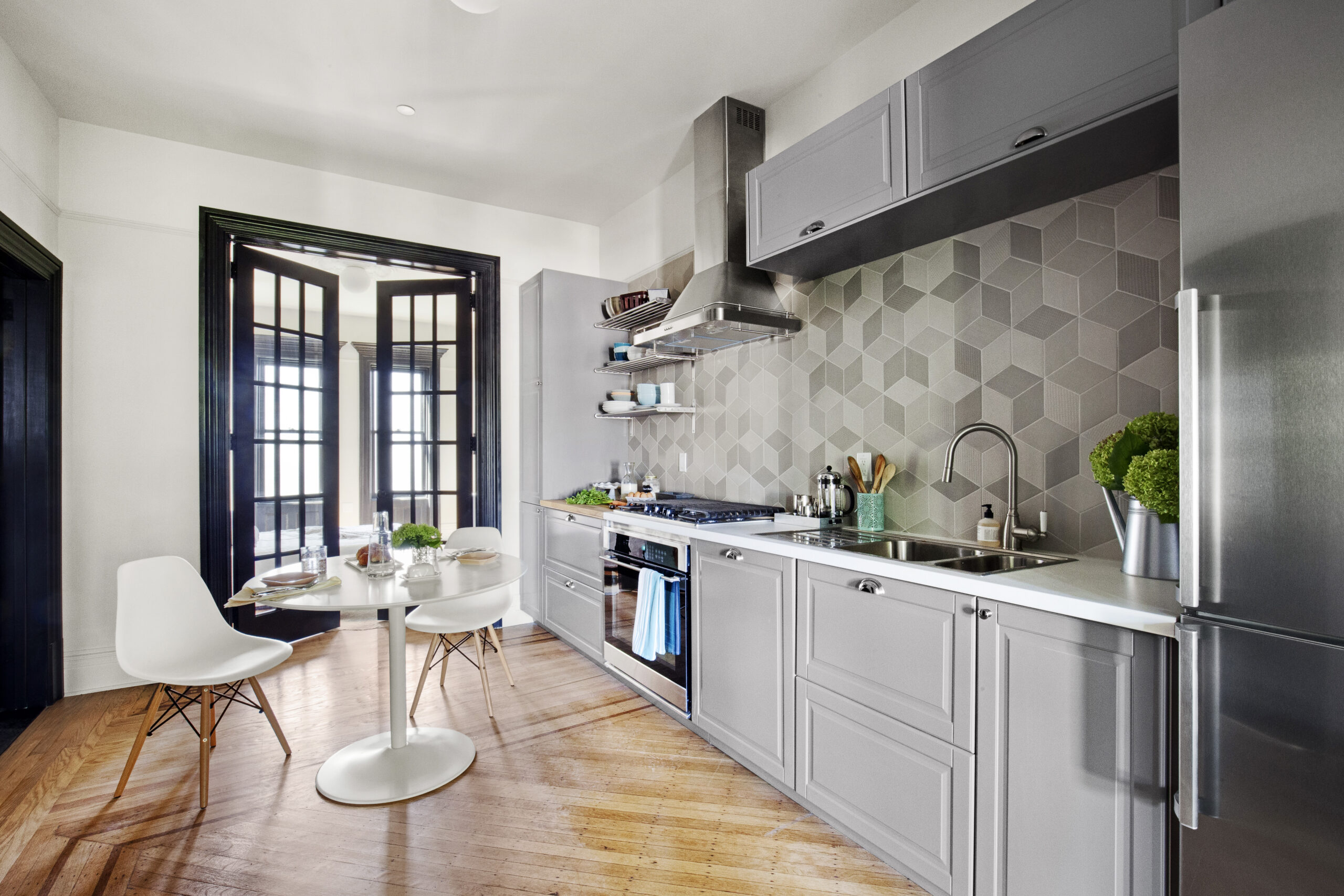
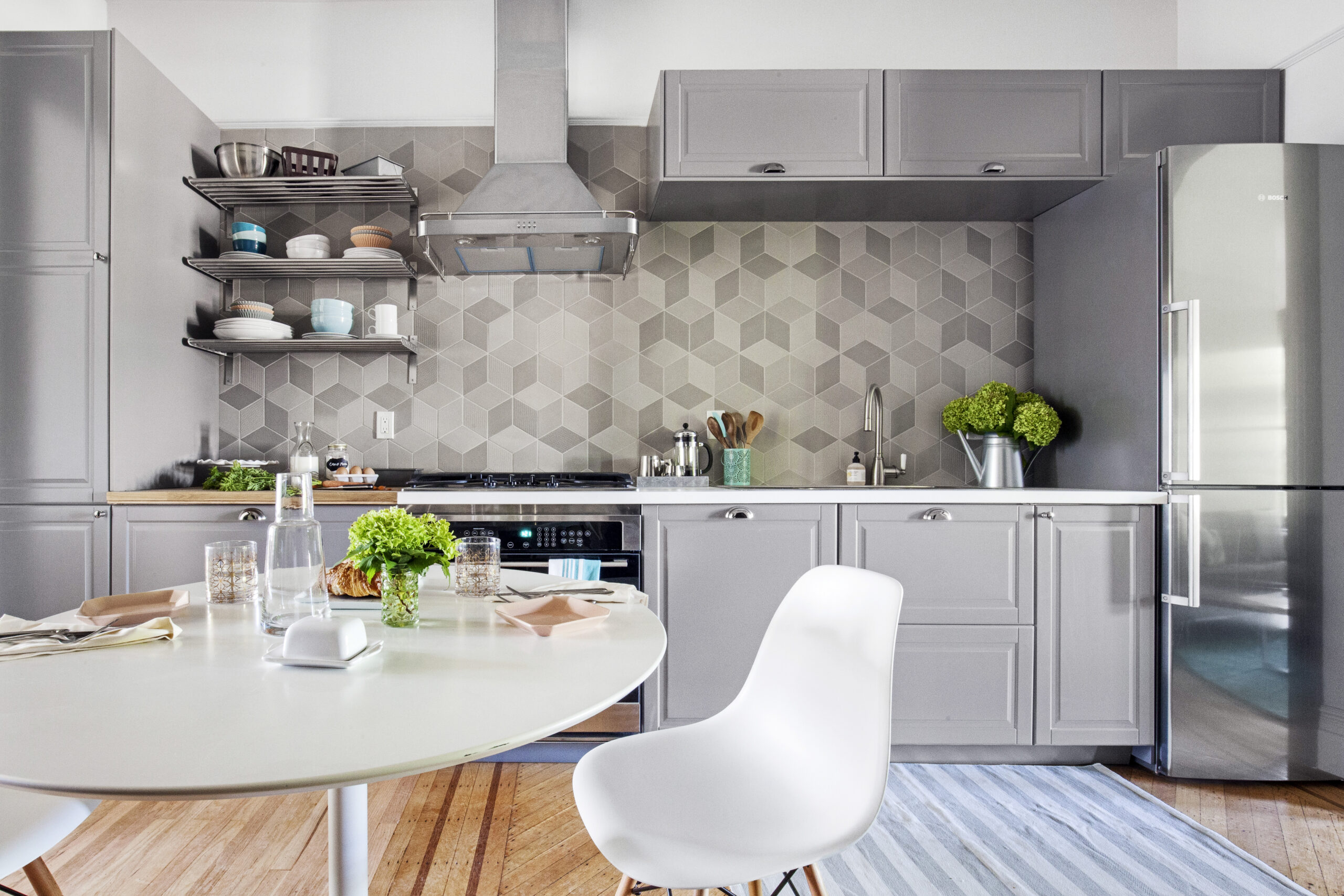
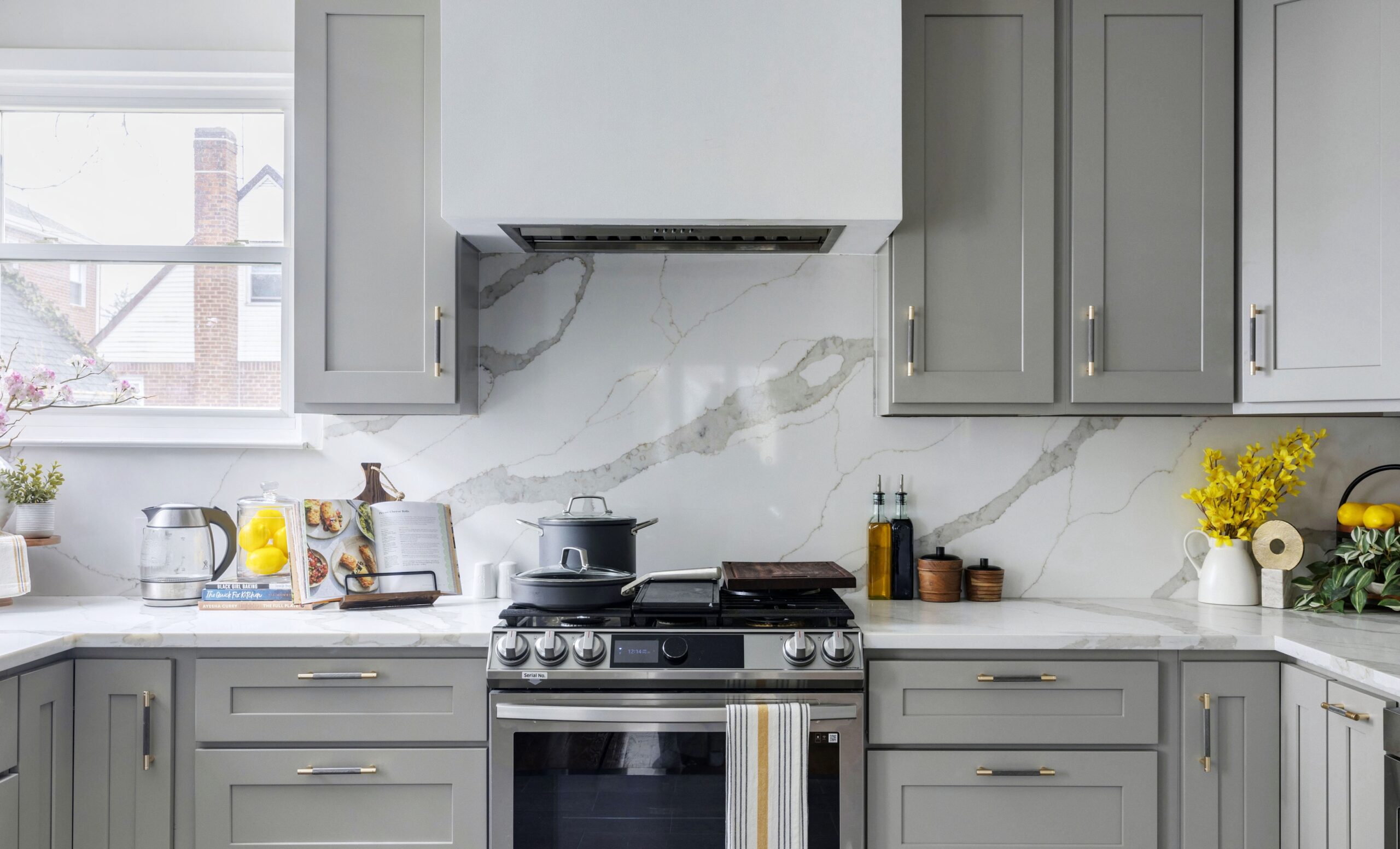
(Above) Jerry and Janet’s renovated kitchen featuring gray Shaker cabinets, wooden flooring, and a white table with seating for two

Key points

  • Inset Shaker cabinets add a tailored look through tight reveals and flush fronts.
  • Warm stained Shaker doors bring back natural grain that makes kitchens feel lived-in.
  • Creamy neutrals soften the room and keep Shaker cabinets from reading stark.
  • Jewel-toned Shaker cabinets add drama without giving up the classic frame.

1. Inset Shaker cabinets bring quiet detail

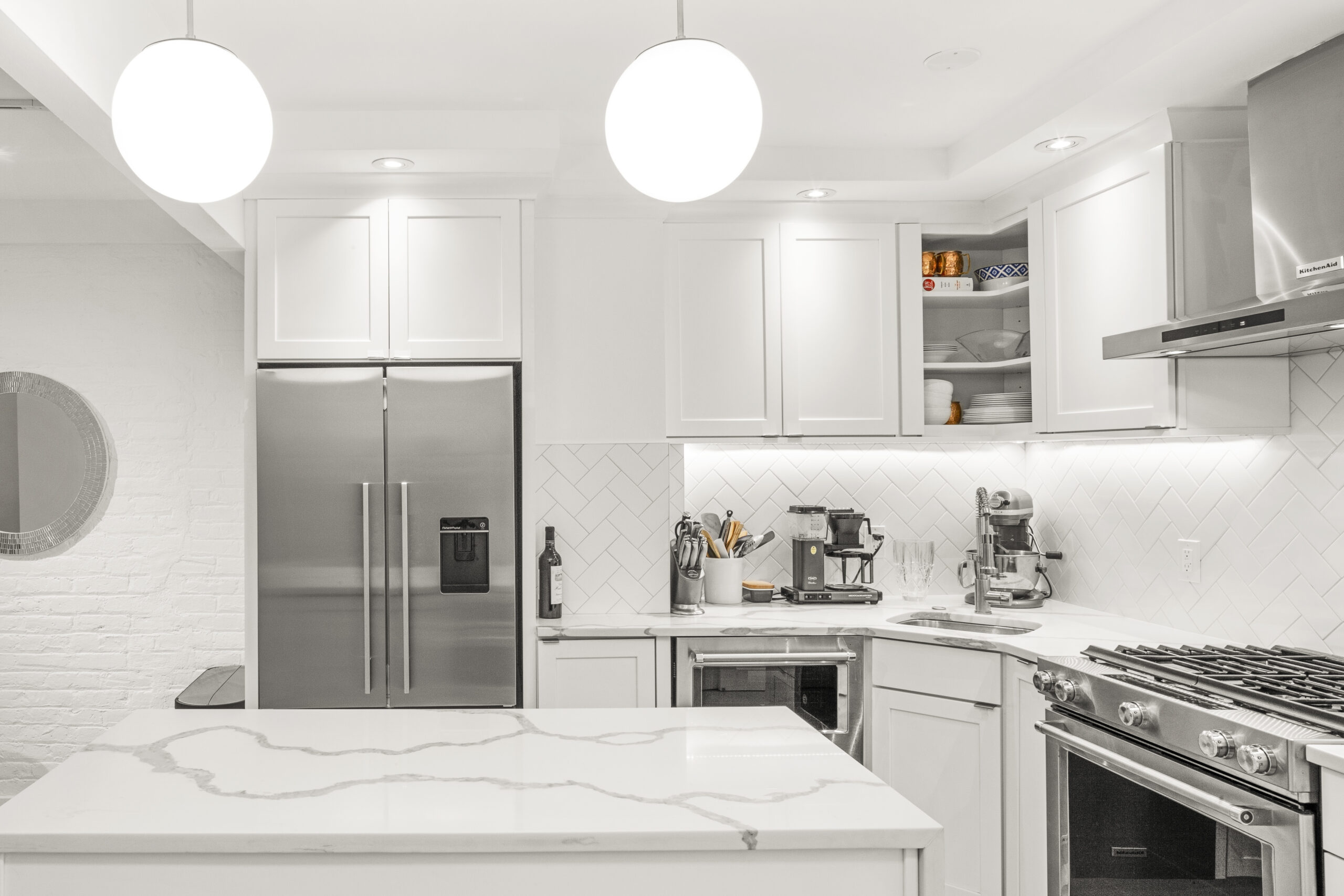
(Above) Erin and Jonathan’s updated kitchen with white Shaker cabinets, quartz kitchen island, and bright lighting

Inset Shaker cabinet doors sit flush inside the cabinet frame, so the reveal becomes part of the look. That fine shadow line adds depth without extra decoration. The finish feels custom even when the kitchen cabinet color stays simple.

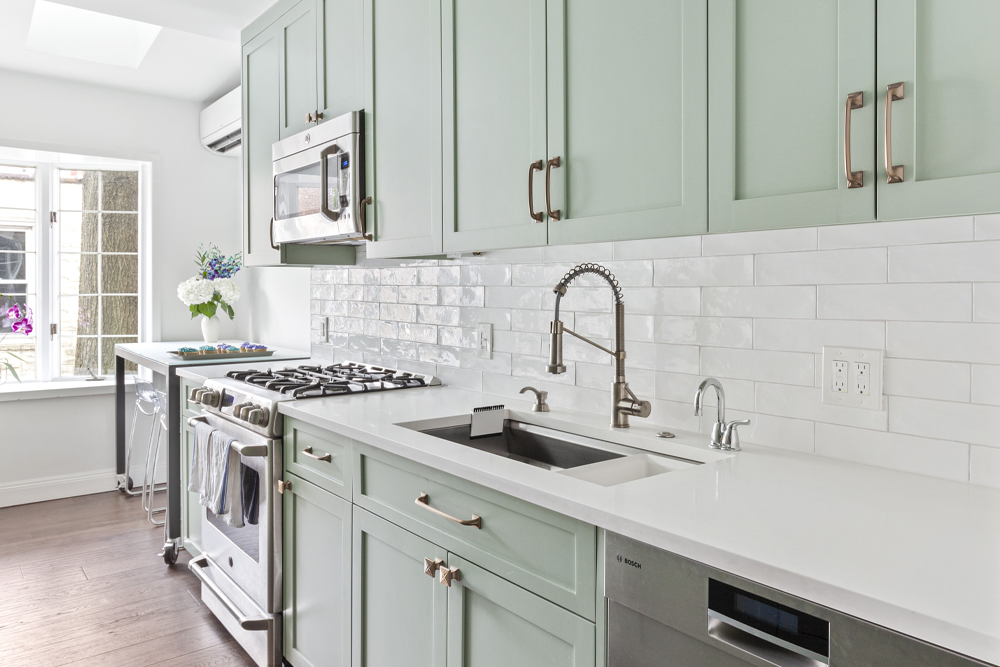
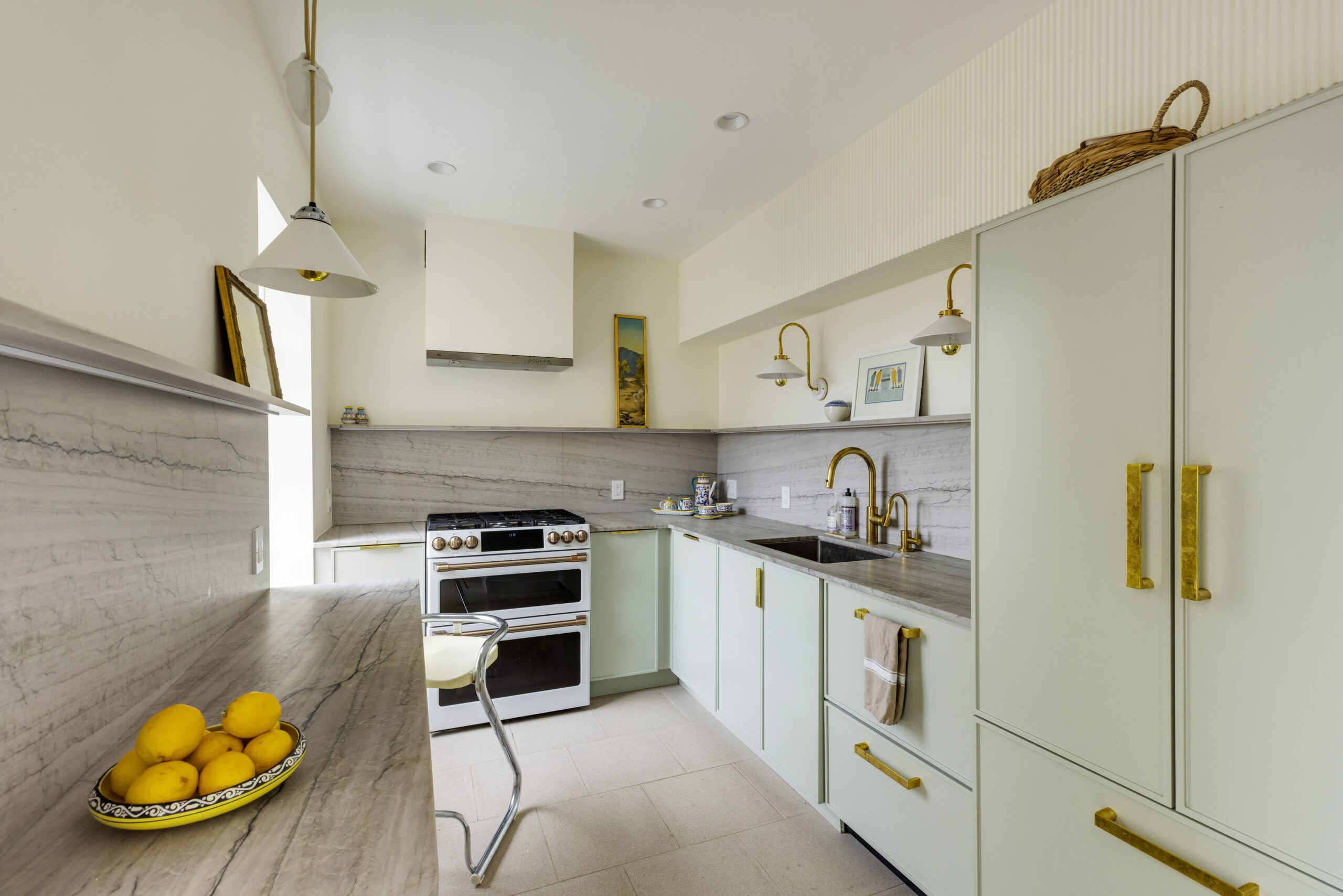
(Above) Laura’s remodeled kitchen with sage green Shaker cabinetry, brass handles, and white subway backsplash design

Inset doors fit best in kitchens that already lean classic, such as prewar apartments or older houses. They look strongest next to traditional trim or simple stone that lets the tight reveals do the talking.

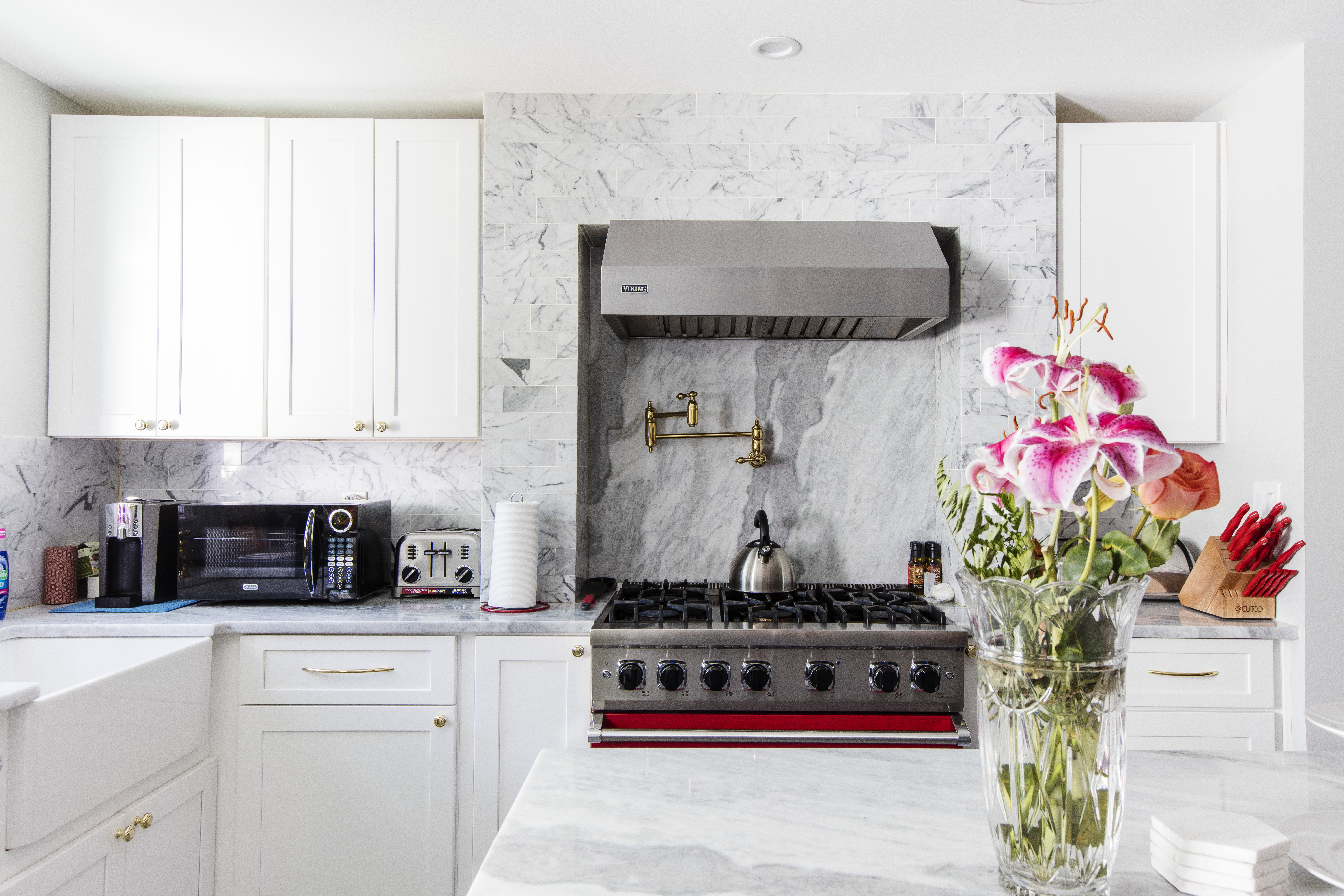
(Above) Teresa’s new kitchen with white Shaker cabinets, stove with range hood, and natural stone backsplash

These choices help inset doors look polished:

  • Plan for even reveals across every run
  • Choose a hinge style that fits the design
  • Budget time for careful door alignment

Planning to renovate? Get free cost estimates from our partner GCs!

Get matched with our vetted general contractors and receive at least 3 quotations for free! You can also find endless home renovation inspiration, detailed guides, and practical cost breakdowns from our blogs.

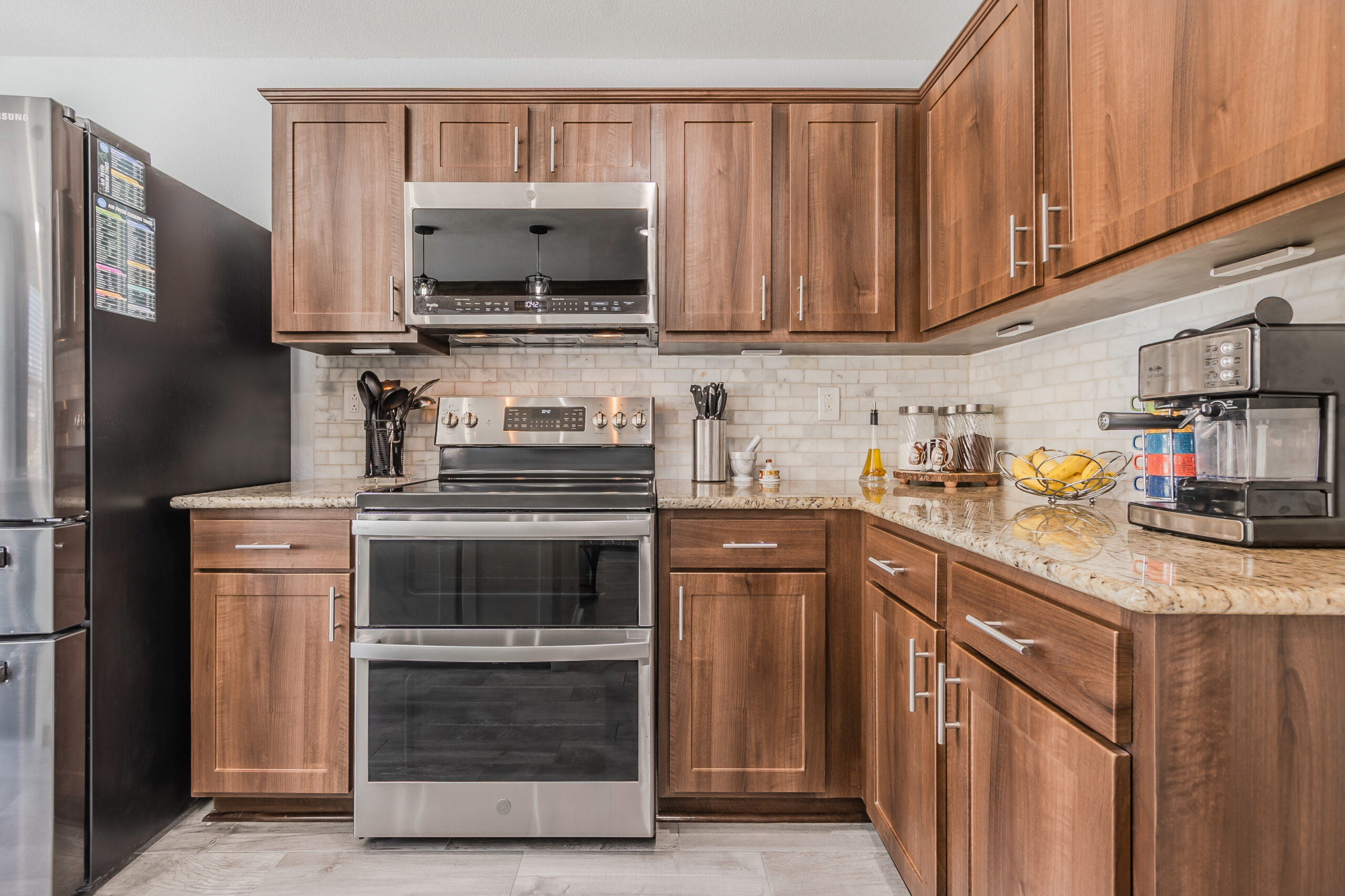
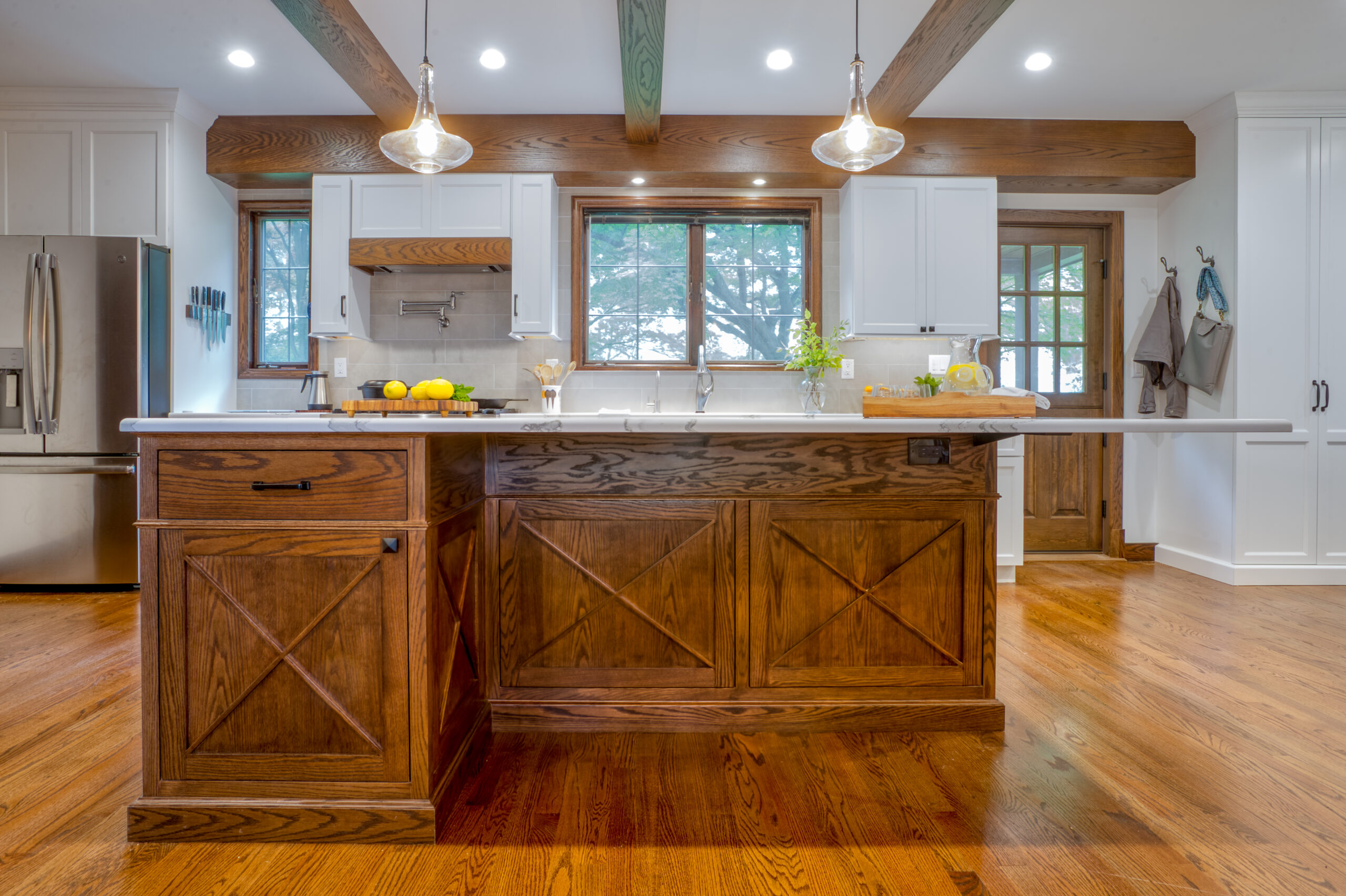
2. Warm stained Shaker cabinet doors return

(Above) Griselle’s remodeled kitchen with wood Shaker cabinets, stove with hood, and tiled kitchen backsplash

Warm wood tones bring grain back into the story. Stained Shaker cabinets provide a comfort that paint rarely matches. The look stays fresh when the sheen stays low.

(Above) Sara’s new kitchen with wooden cabinetry, wooden flooring, and warm lighting

Stained-wood Shaker cabinetry works when you want the kitchen to feel warmer without adding more decor. It pairs easily with light stone and simple hardware, which keeps the grain from fighting the rest of the room.

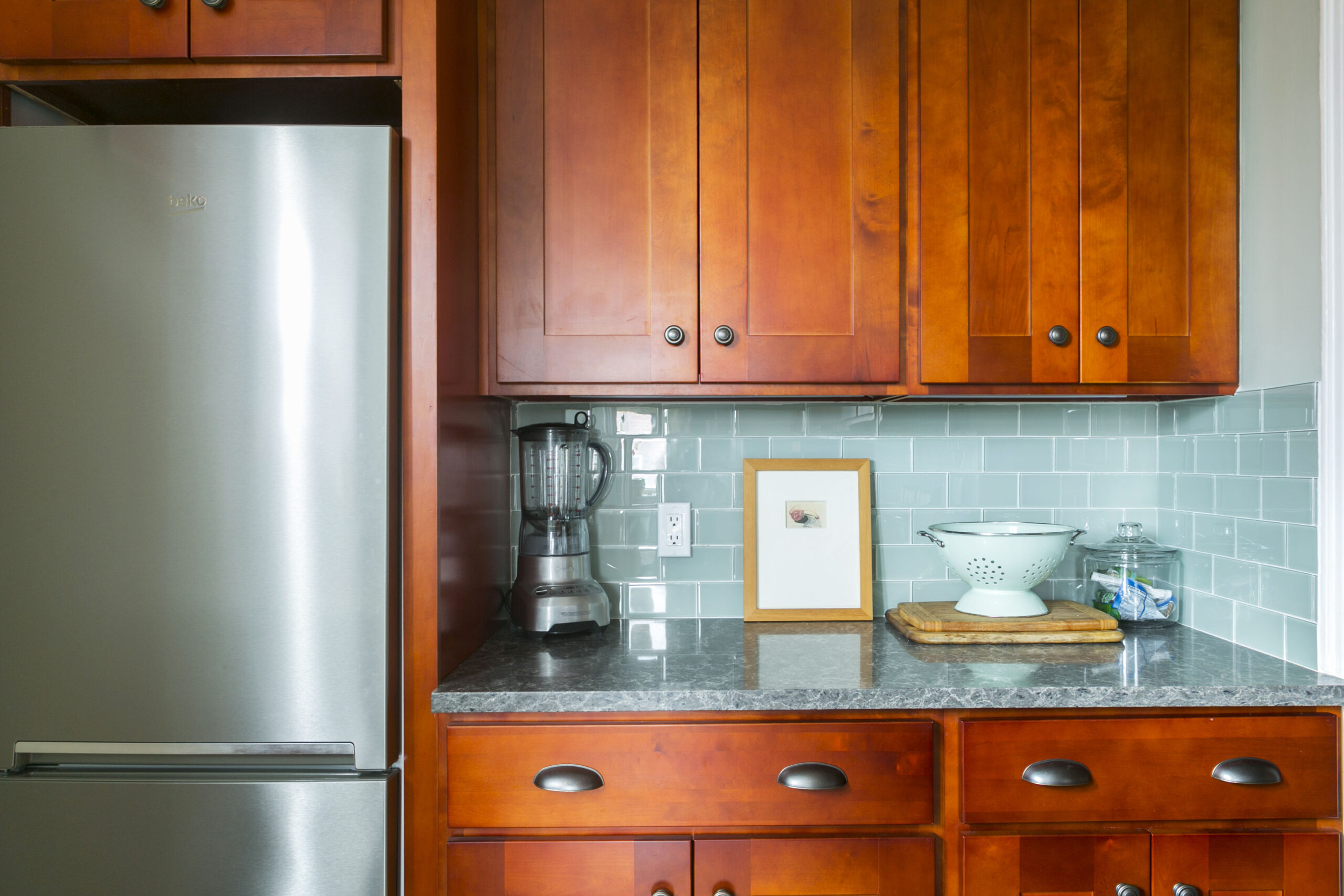
(Above) Ed’s new kitchen with wood-stained cabinets, green backsplash, and quartz slab countertop

The following options help stained Shaker cabinets look current:

  • Choose a matte or satin clear coat
  • Match stain undertones to the floor tone

Balance natural wood cabinetry with quiet stone surfaces

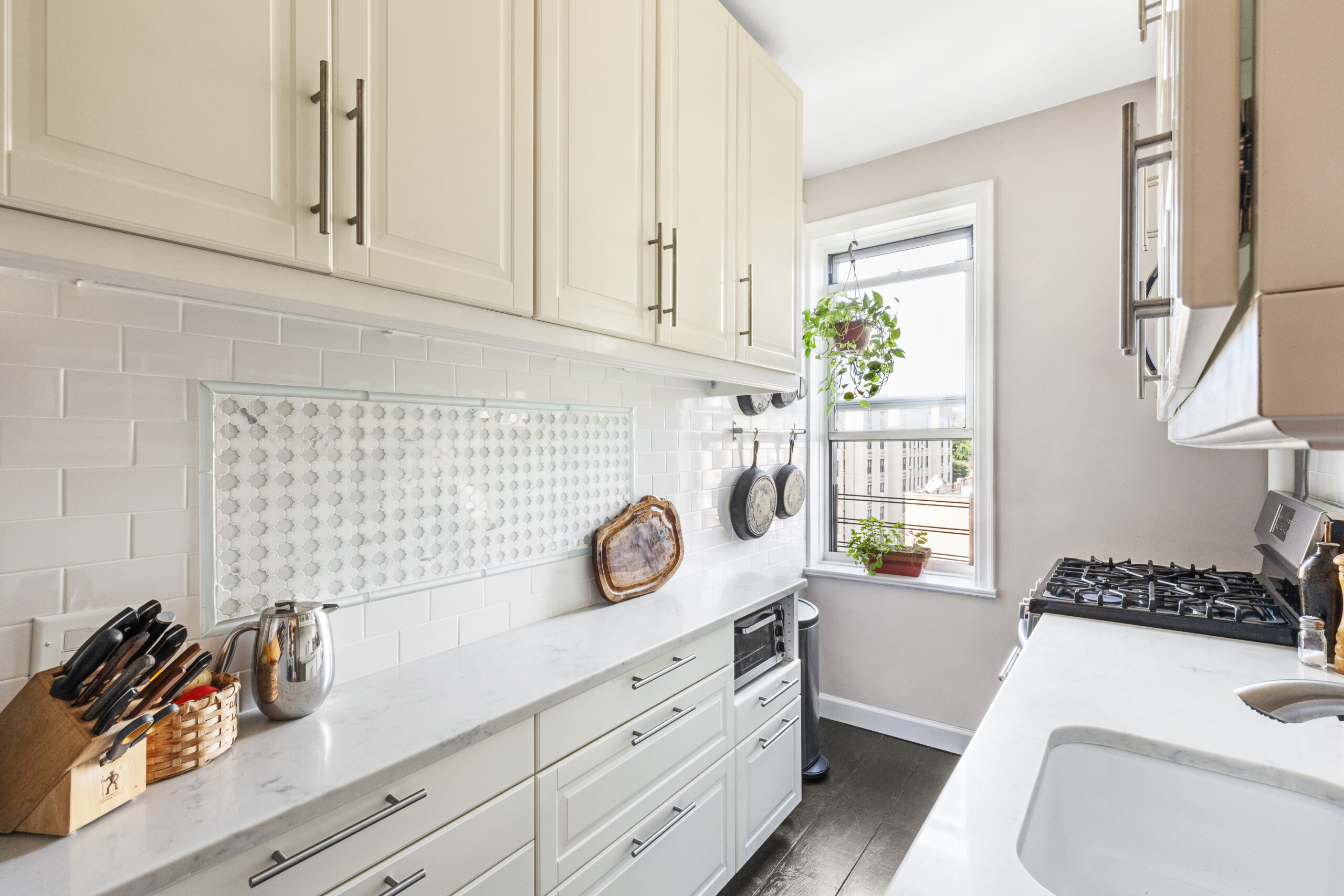
3. Creamy neutrals replace bright white Shaker

(Above) Sandra’s renovated kitchen with cream cabinetry, white subway tile backsplash, and cookware

Creamy neutrals give Shaker cabinets a softer look than bright white. That warmth reads better under most lighting and feels less stark. The color range still keeps the room light.

This palette fits kitchens that want a clean look without the sharpness of pure white, so plan your renovation accordingly. Creamy cabinets pair well with warm metals and natural textures, so the room feels relaxed and pulled together.

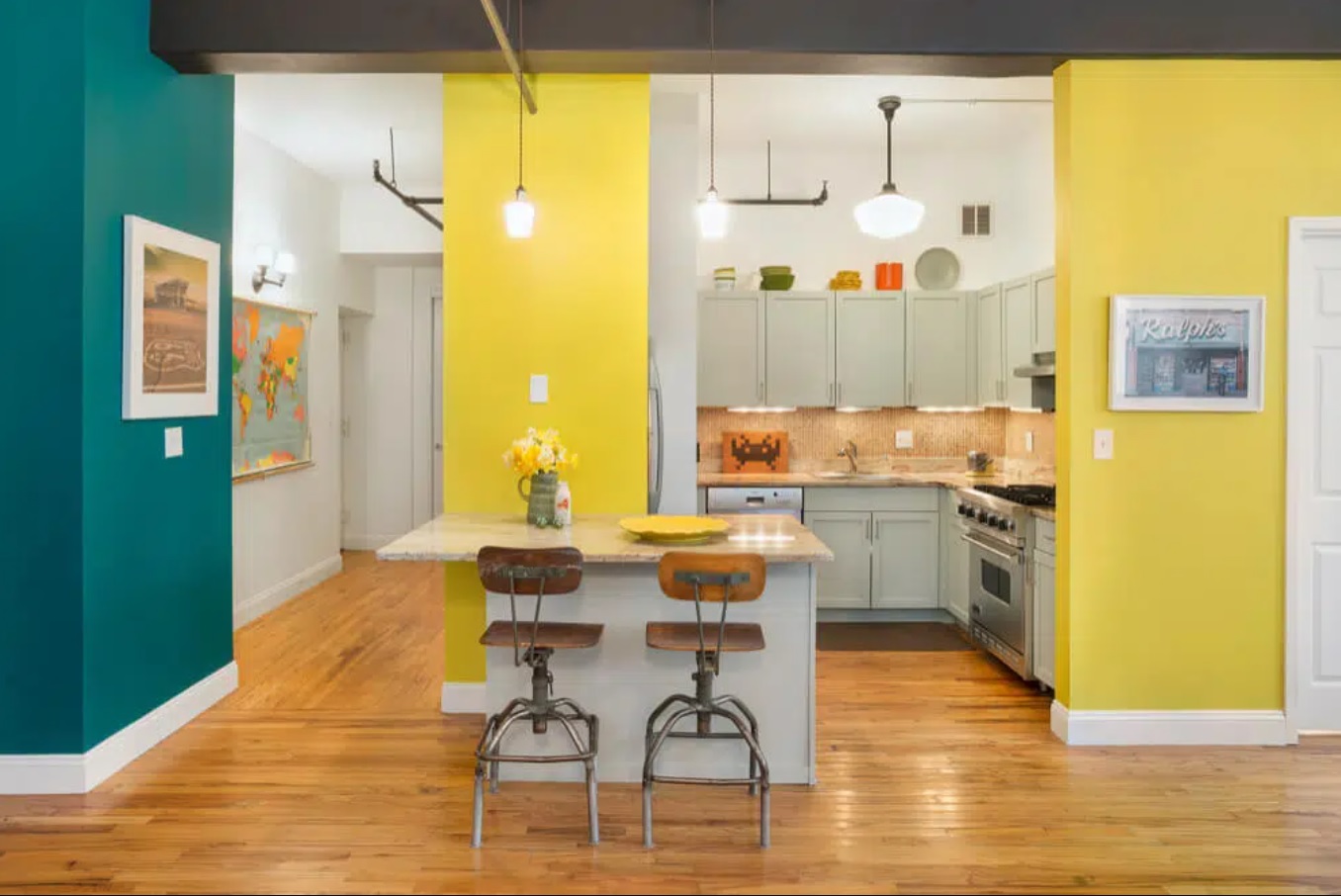
(Above) Erica’s kitchen with taupe color cabinetry, yellow and deep green walls, and wooden flooring

These options help creamy cabinets stay crisp:

  • Select warm metals like brass or bronze
  • Use tile with subtle variation
  • Choose bulbs that favor warm tones

4. Jewel-tone Shaker cabinets go all in

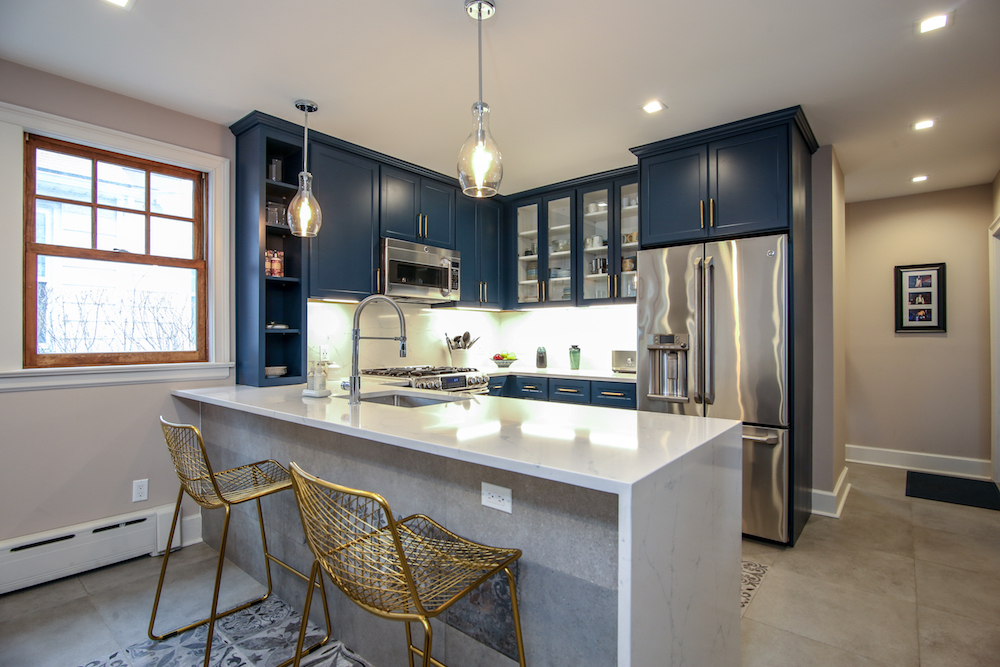
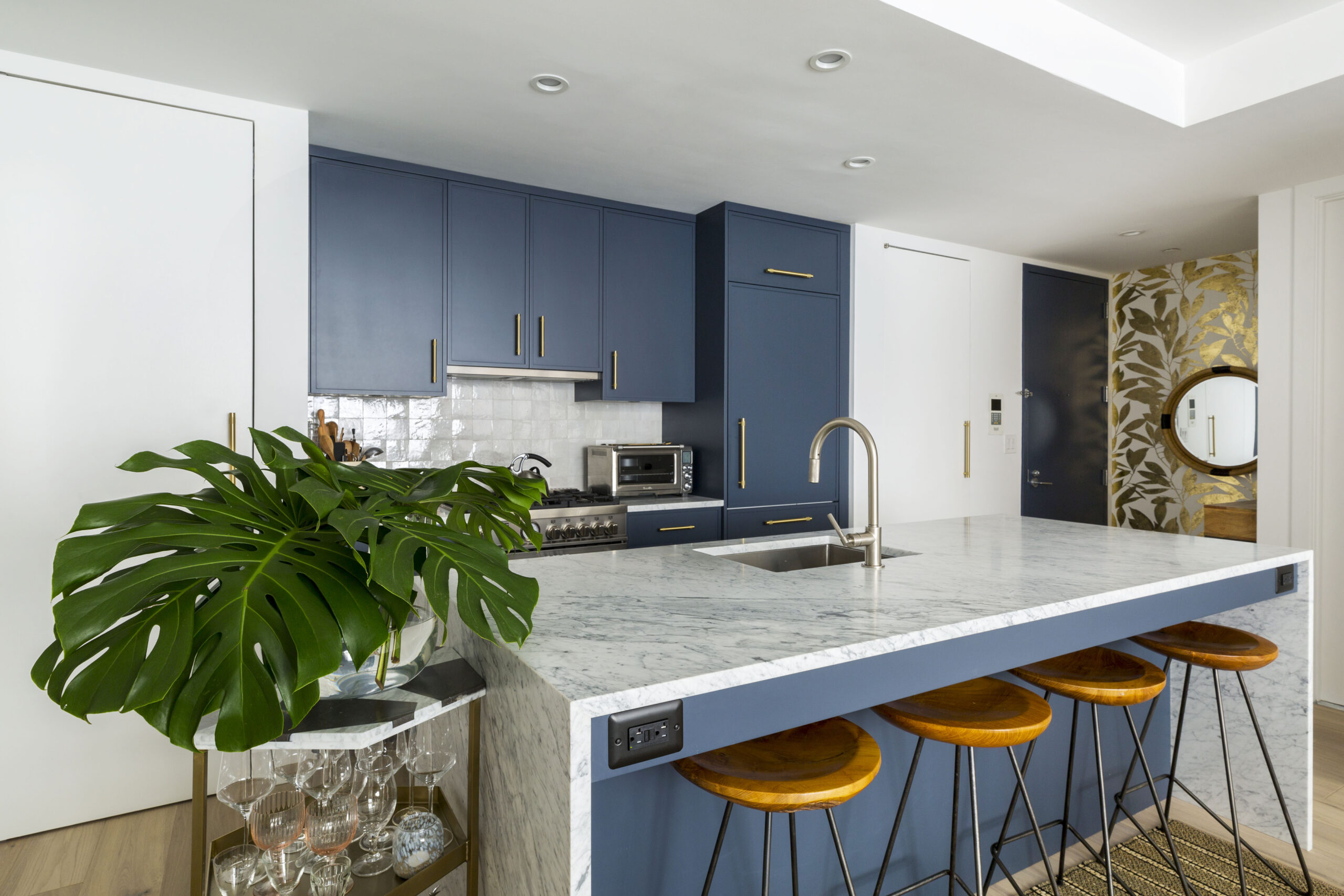
(Above) Tracey’s new kitchen with deep blue Shaker cabinet doors, quartz peninsula, and slab flooring

Renovate expertly with Sweeten

Sweeten brings homeowners an exceptional renovation experience by personally matching trusted general contractors to your project, while offering expert guidance and support—at no cost to you.

Start your renovation

Jewel tones turn Shaker cabinets into a bold focal point. Deep green, navy, and plum add personality without changing the door style. The clean frame keeps the color from feeling fussy.

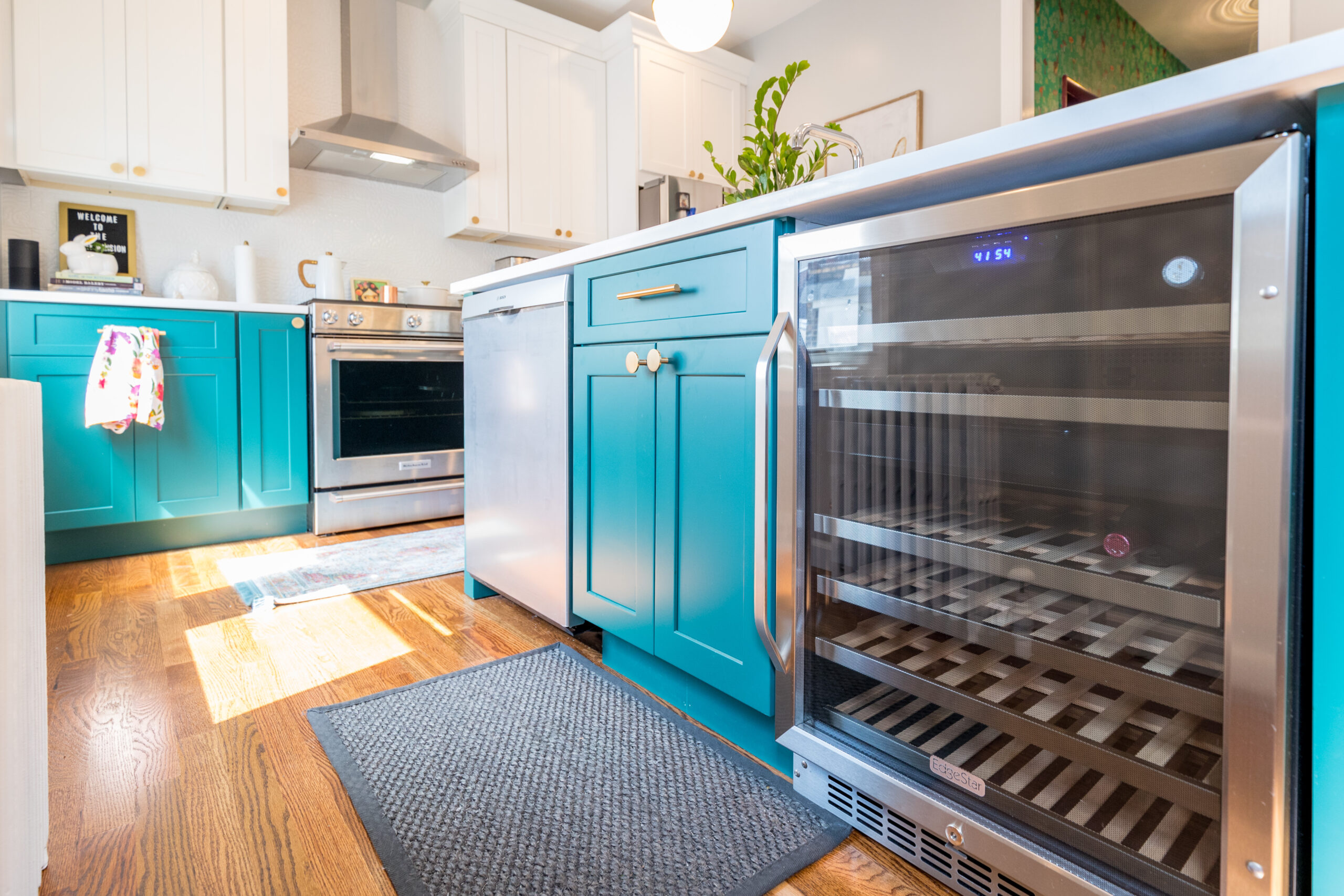
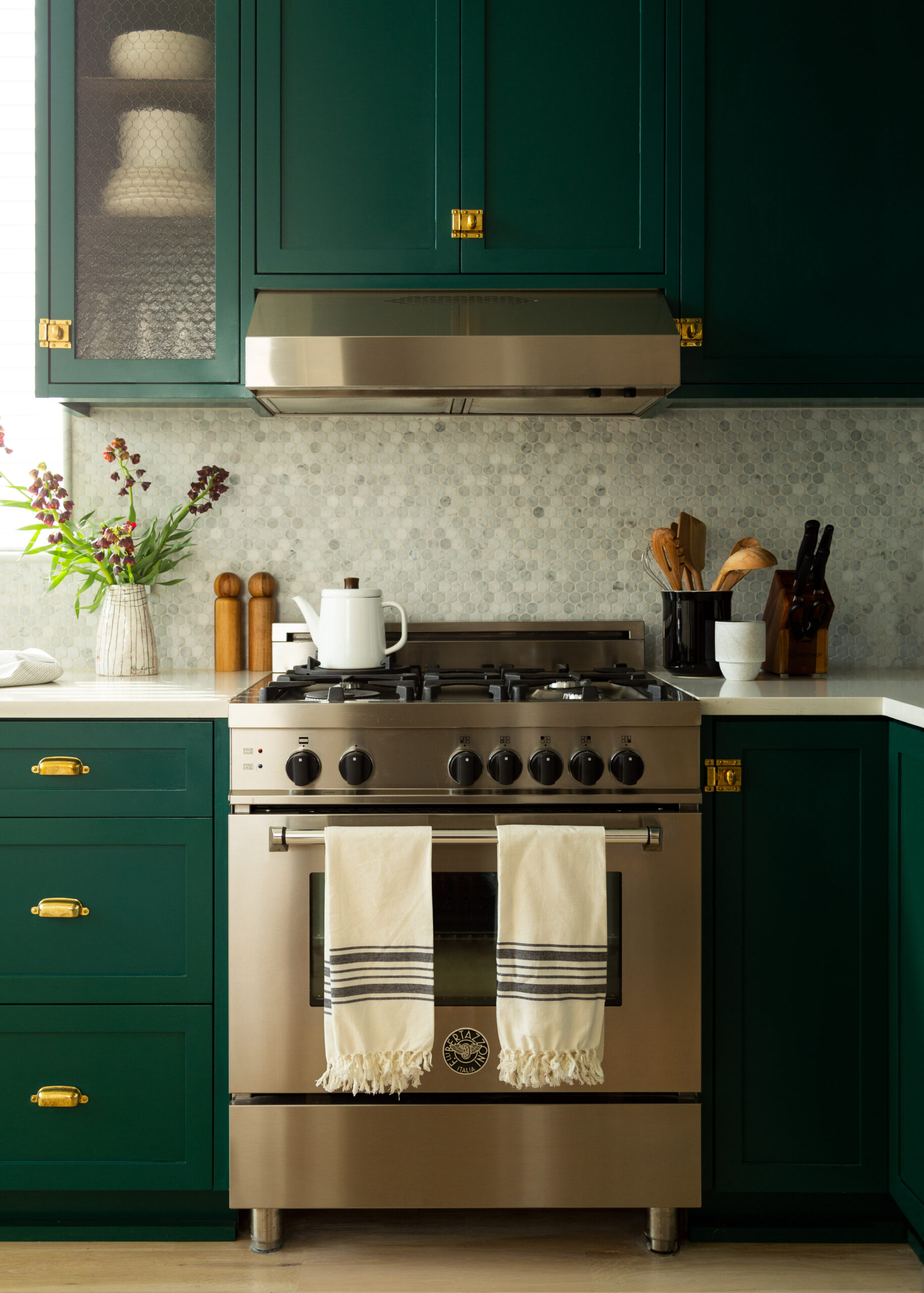
(Above) Carol’s kitchen with pine green cabinet colors, a beverage fridge, and wooden flooring

This trend fits kitchens with strong light or a layout that can handle a darker anchor. If a whole run feels like too much, use the color on a kitchen island or pantry wall and keep the rest quiet.

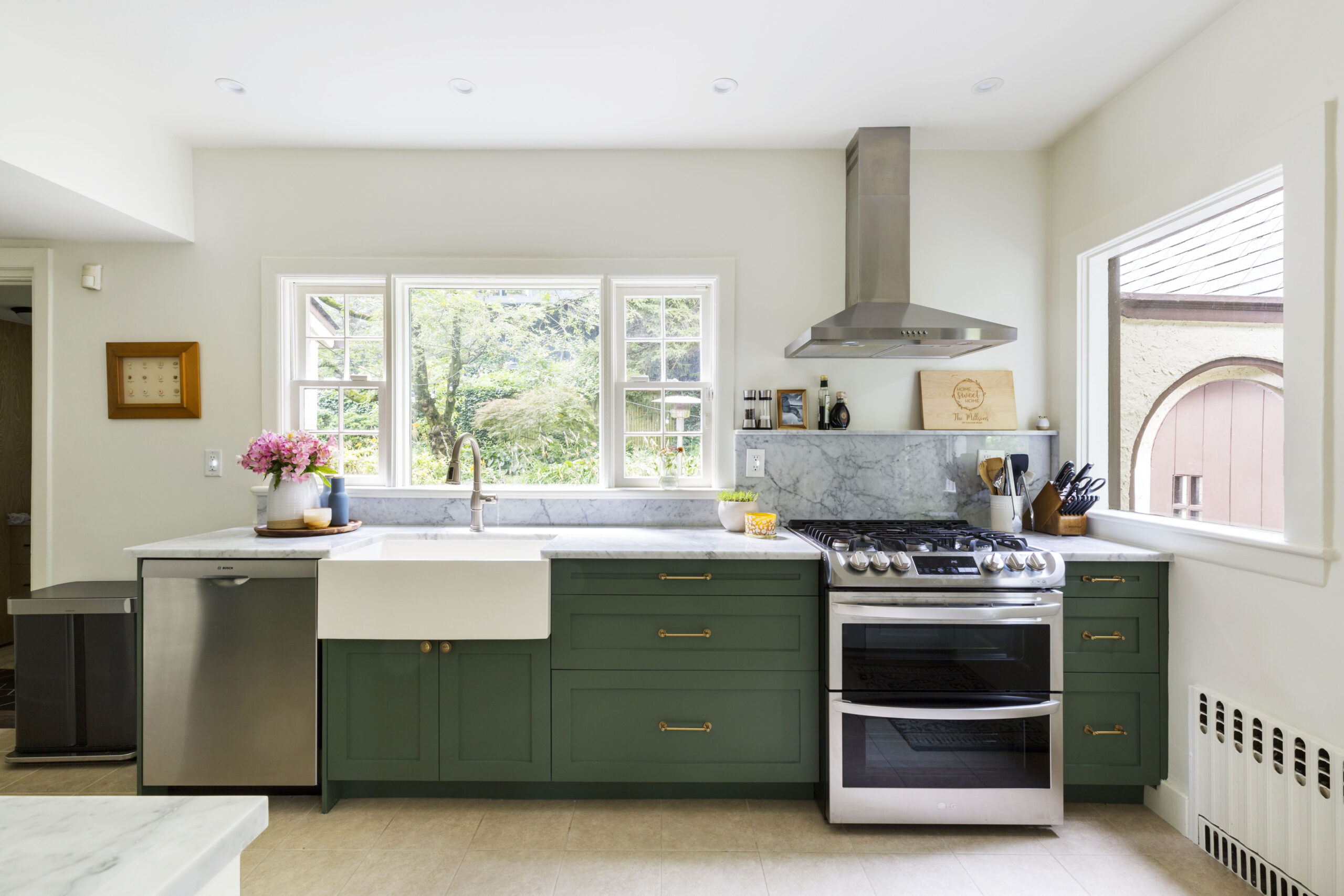
(Above) Hannah’s remodeled kitchen with deep green Shaker cabinets, range with hood, counter fridge, and white walls

Below are some ways to help the bold color feel balanced:

  • Pair dark kitchen cabinets with lighter counters
  • Repeat the hue in small accents
  • Keep backsplash patterns calm

5. Texture shows up in shaker door inserts

(Above) Elizabeth’s kitchen with glass cabinets, range with hood, and cork post-it board

Textured inserts add depth to Shaker fronts without changing the basic shape. Reeded glass, seeded glass, or mesh panels break up long cabinet runs. The detail can hide clutter and still let light through.

This Shaker cabinet trend works best on uppers or pantry doors where you want a lighter look on the wall. Galley kitchens often benefit from textured uppers since the wall feels less solid. Pair them with simple door frames and calm finishes so the texture reads as a thoughtful detail.

(Above) Keren’s kitchen featuring deep green cabinets, a stainless steel range, and hex backsplash

These choices help inserts look refined:

  • Use reeded glass for privacy and glow
  • Add interior lighting for a soft wash
  • Keep the door frame simple and square

6. Less hardware, more clean Shaker cabinet fronts

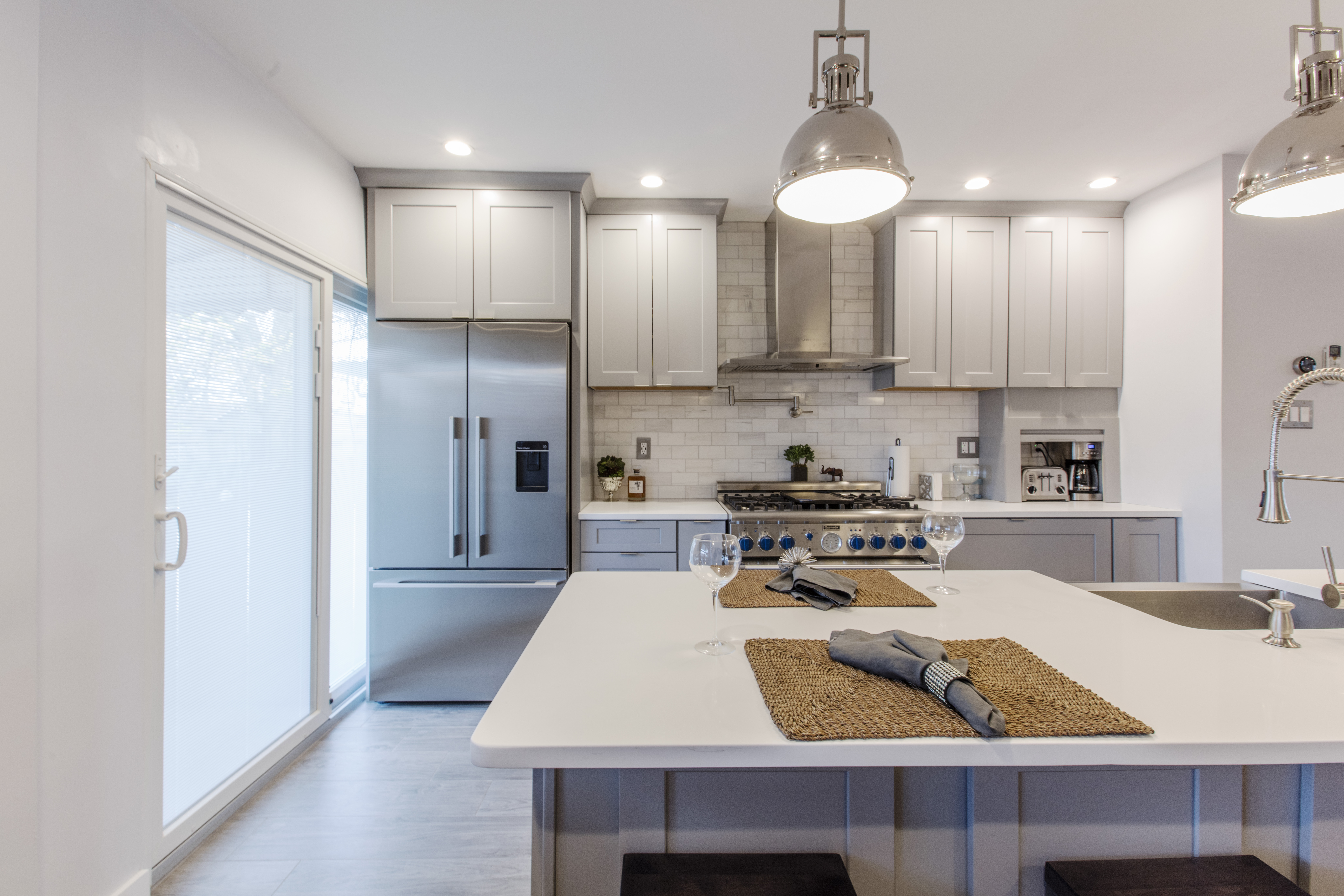
(Above) Romuald’s kitchen with gray Shaker cabinets, quartz kitchen island, and warm lighting

Hardware gets quieter, or it disappears. Push latches and integrated pulls keep Shaker fronts calm and clean. The room reads more modern without losing the Shaker cue.

This style fits kitchens that already lean streamlined, like spaces with slab backsplash or minimal open shelving. It can work in pantries too, where fewer pulls make tall doors feel more like built-ins.

(Above) Jerry’s new kitchen with 3D backsplash, gray Shaker cabinets, butcher block countertop, and wooden flooring

The following helps minimalist hardware work day to day:

  • Choose reliable latches and soft-close hinges
  • Add a pull on heavy appliance panels
  • Plan easy-to-wipe touch points

7. Slim Shaker cabinet rails are the new baseline

(Above) Jan’s kitchen with natural slab backsplash, light green slim Shaker cabinets, and golden fixtures

Slim Shaker keeps the familiar frame, yet it trims down the rails and stiles. That thinner outline makes the cabinetry feel lighter on the wall. A kitchen can still read classic, yet the doors look more current.

This look works well in small kitchens where you want the cabinets to fade back a bit. Pair it with simple countertops and a quiet backsplash so the slimmer frame feels like a clean choice, not a trend.

(Above) Jennifer’s kitchen with blue slim Shaker cabinets, quartz island, and wooden seating

These choices help slim Shaker cabinetry feel intentional:

  • Pick a matte or satin paint finish
  • Size pulls to match the slimmer frame
  • Keep trim lines clean and minimal

8. Storage upgrades hide behind shaker doors

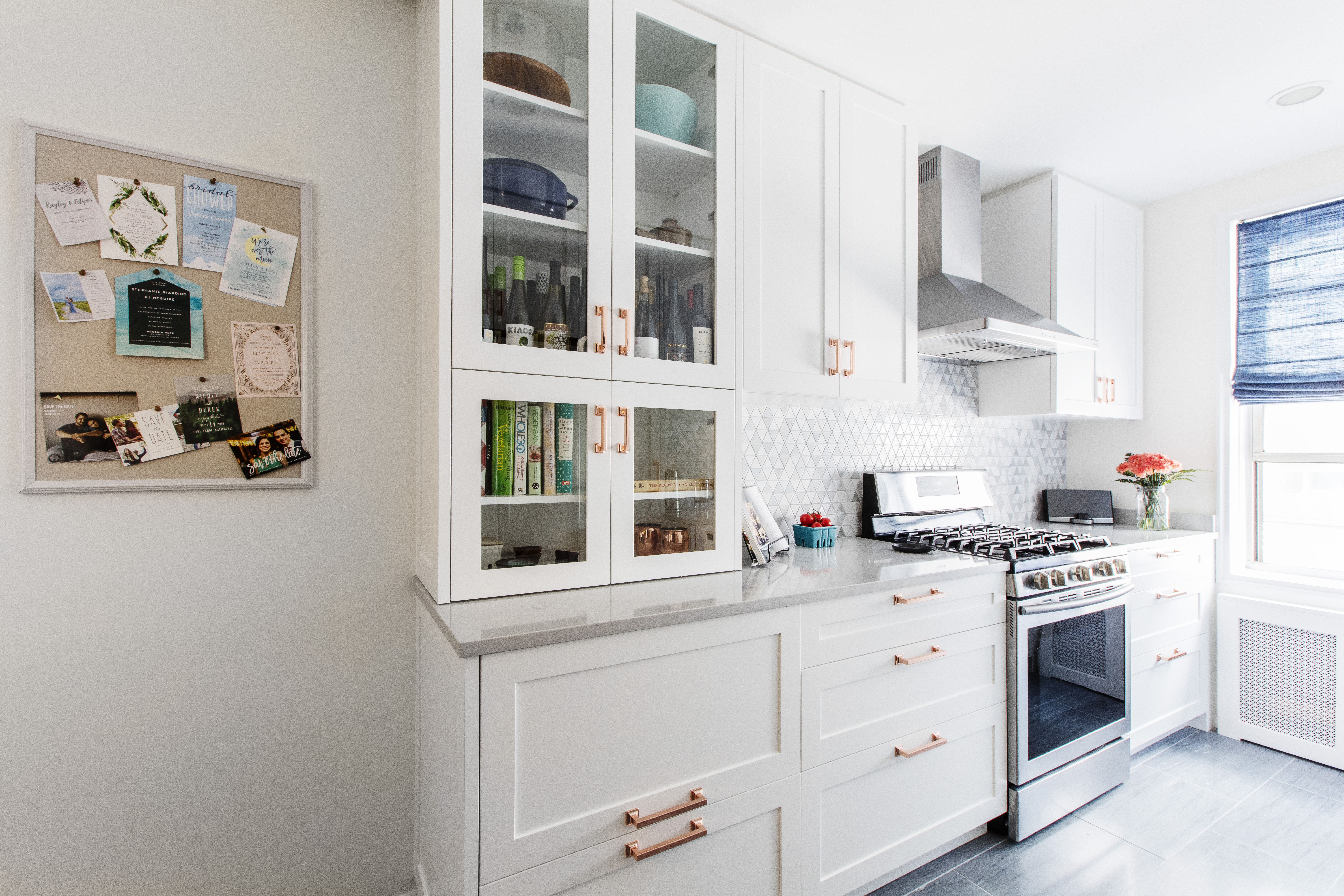
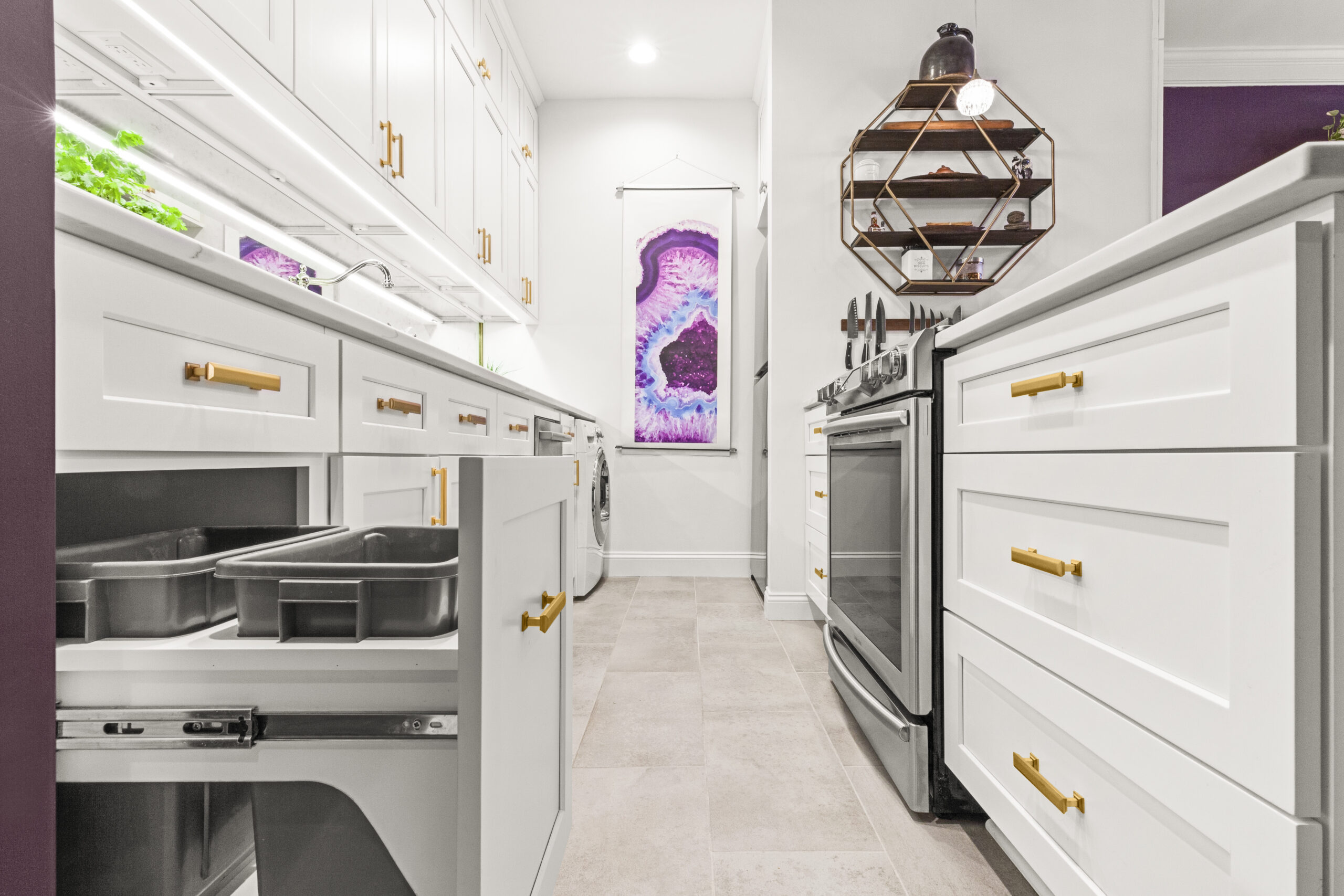
(Above) Marissa’s new kitchen with white Shaker cabinets, pull-out storage, and tiled flooring

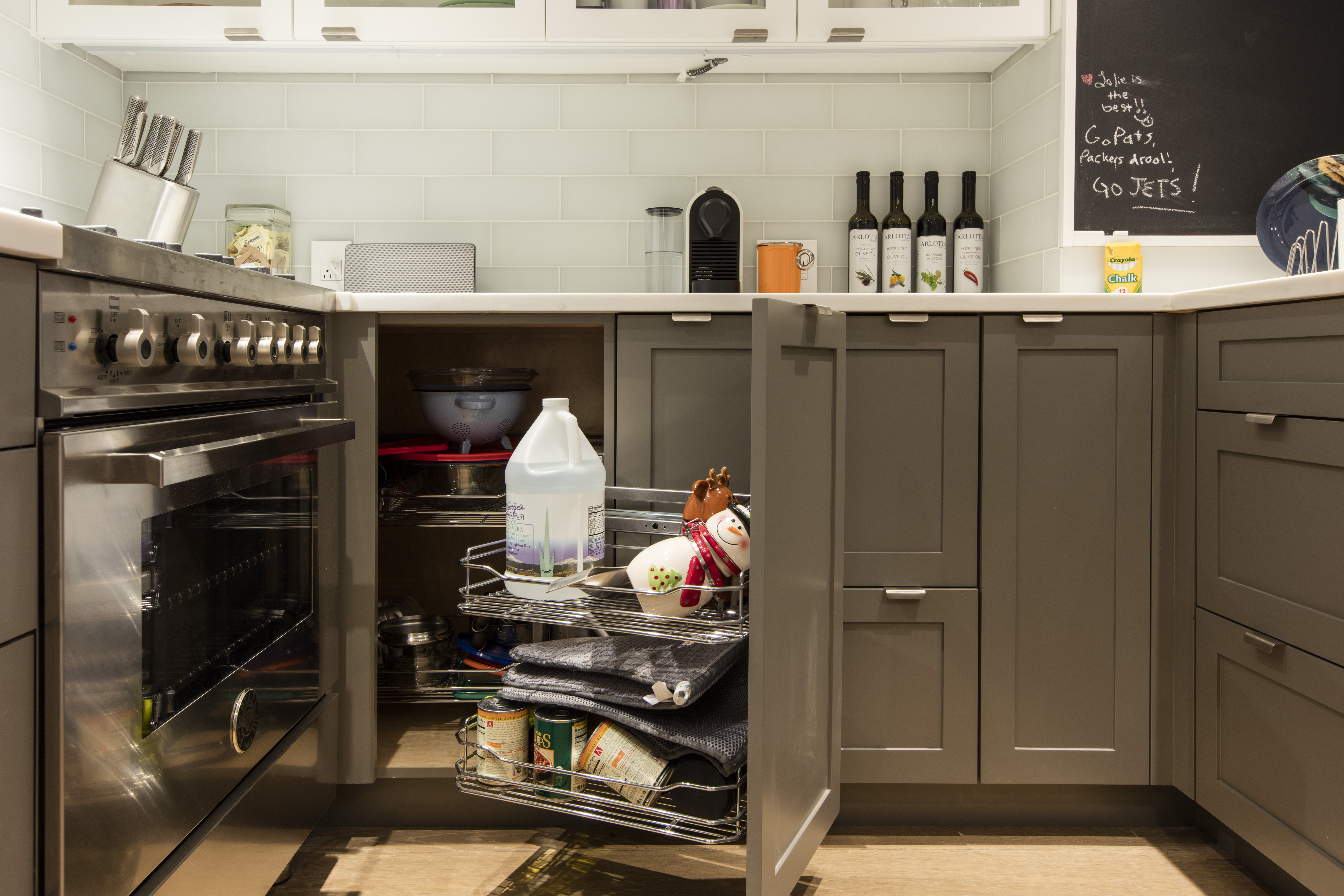
The outside stays simple, yet the inside works harder. Deep drawers, pull-outs, and appliance garages keep counters clearer. Shaker fronts look the same, even when kitchen storage gets smarter.

This trend fits kitchens where you want the room to look calm, even on busy days. It works especially well in small layouts, where smart interiors do more than extra cabinets ever could.

(Above) Frans’ kitchen with taupe Shaker cabinets, pull-out rack, and subway tile backsplash

These options make cabinet storage feel seamless:

  • Favor drawers over base shelves
  • Place pull-outs near the sink and range
  • Reserve one zone for small appliances

 We can help plan your renovation

Find endless home renovation inspiration, detailed guides, and practical cost breakdowns from our blogs. You can also post your project on Sweeten today and get matched with our vetted general contractors and get estimates for free!

Frequently asked questions

A Shaker cabinet is a five-piece door with a recessed center panel and a simple frame. Shaker cabinets appear clean and classic, which is why they fit kitchens that lean traditional, modern, or somewhere in between.

The difference between Shaker and traditional cabinets is Shaker’s flat, clean lines and traditional cabinets’ heavier ornament, like raised panels, arches, or detailed trim. In practice, Shaker looks quieter and more streamlined, while traditional styles read more formal and decorative.

No, Shaker cabinets are not inherently more expensive than traditional cabinets. Price usually comes down to materials, construction quality, and details like inset doors or custom finishes rather than the door style alone.

You may also like

Renovate with Sweeten!

sweeten-magic

We’ll match you with vetted general contractors and offer support until your project is done — at no cost to you!

Start your renovation

Customer review 5.0

sweeten-thumbsup

“I liked using Sweeten! It gave me a great place to start, since I had no idea how to begin my renovation projects. I will be using them again.”

— Mary C. from Philadelphia, PA

Read more reviews —>
Start your renovation
no-cost-blue

Subscribe to our
renovation newsletter