How Much Does an Interior Designer Cost in 2027?

The cost of an interior designer in 2027 is $100 to $200 per hour and can reach up to $500 per hour for high-end designers. Some designers charge flat fees between $2,000 and $12,000 or more, while others calculate their fees based on square footage or charge a percentage of furniture and material purchases.

What you actually pay depends on your project’s size, the services you need, and how involved the designer will be. A consultation to help you choose colors and furnishings will cost less than hiring someone to plan an entire renovation and coordinate purchases and installation. Understanding how designers charge and what their fees include can help you set a budget before starting your project.

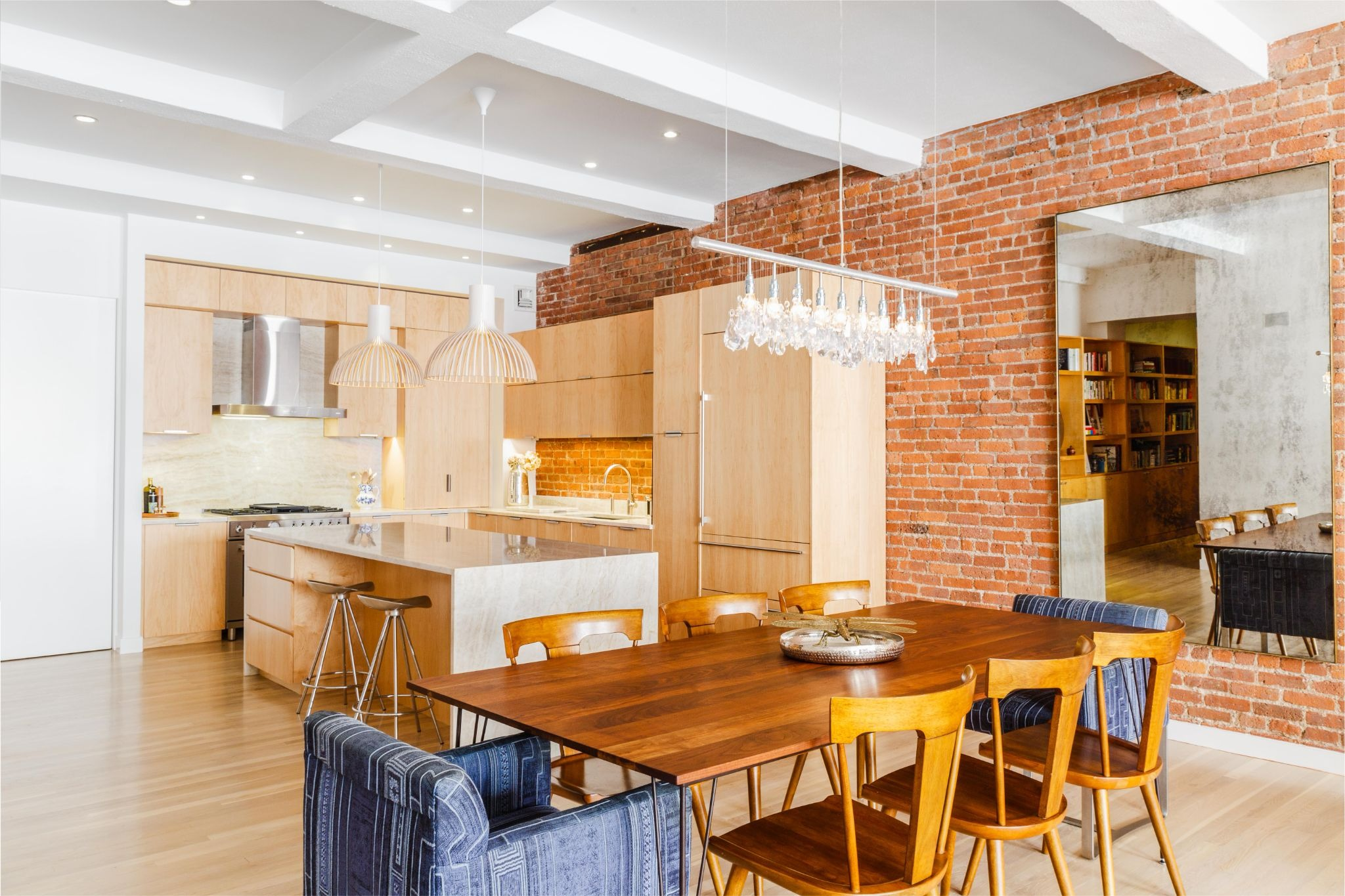
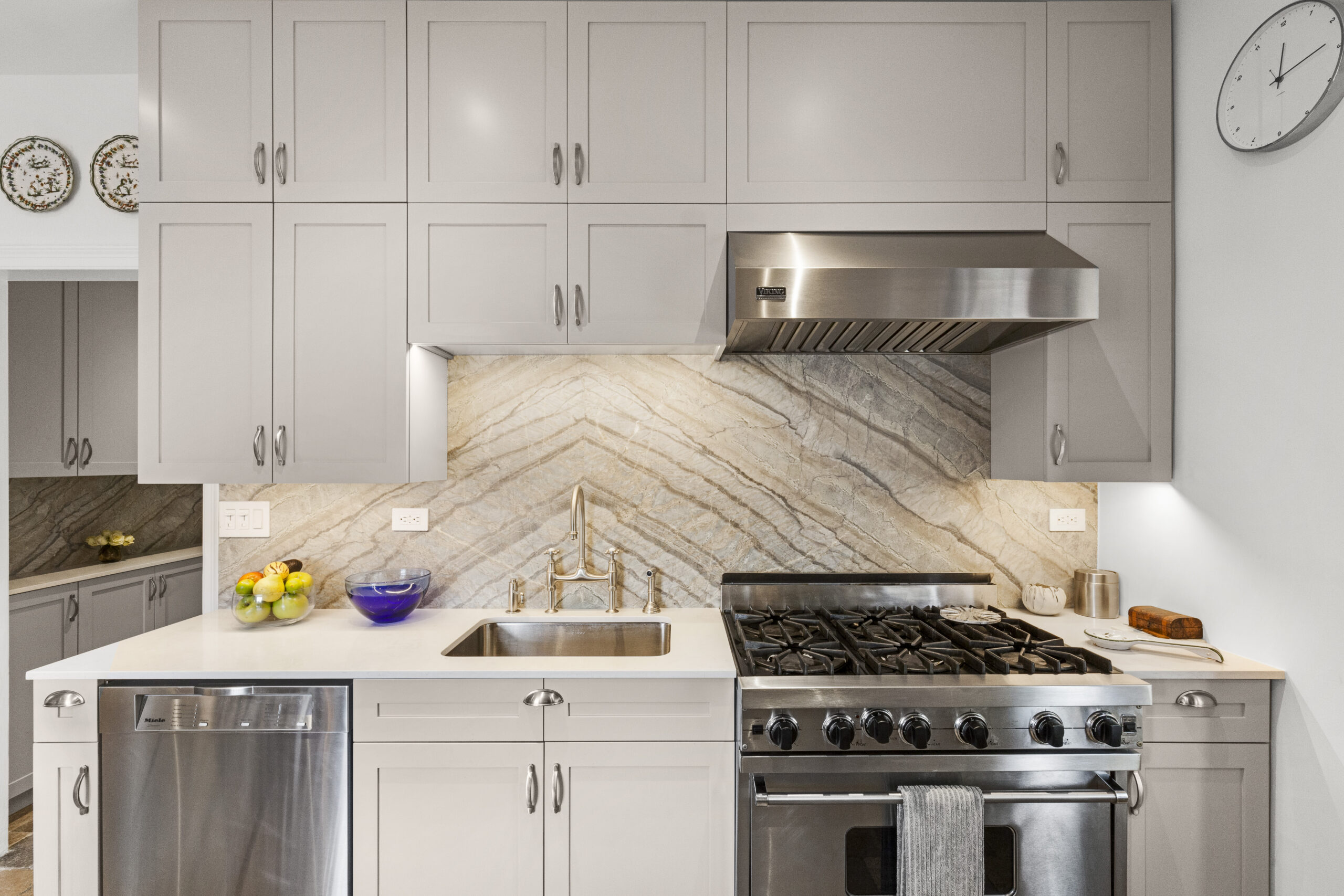
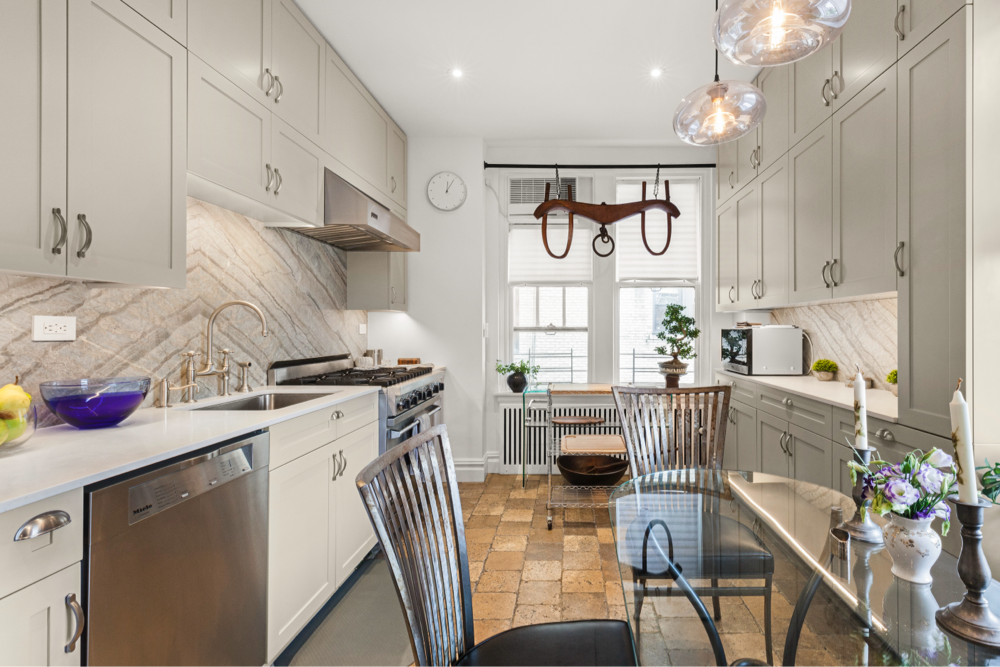
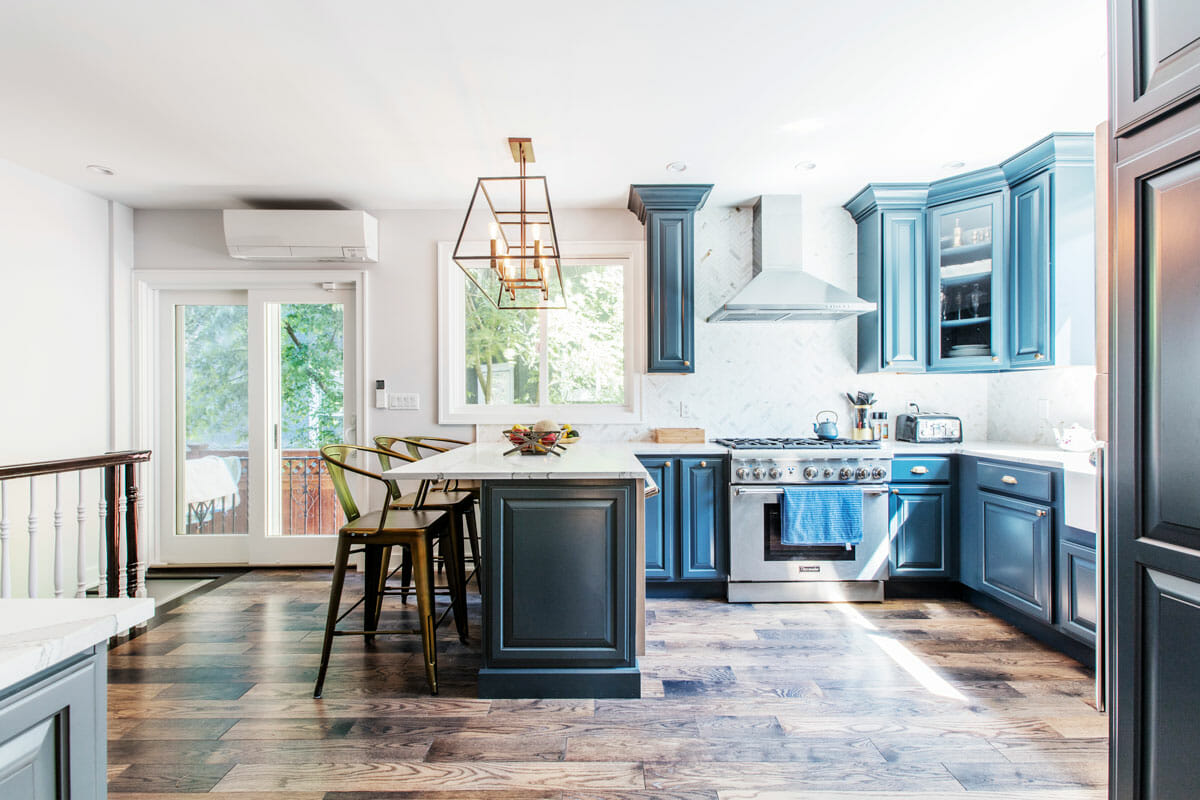
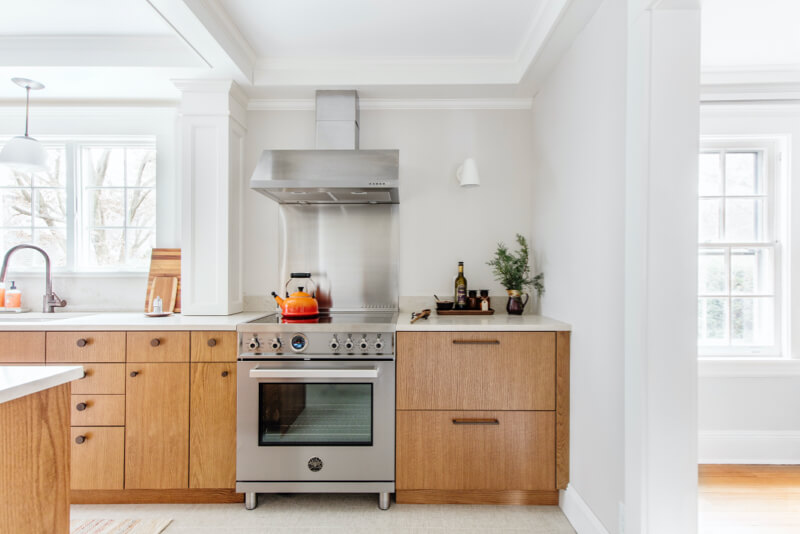
Tamara Hubinsky's West Village Kitchen Renovation
(Above) Tamara Hubinsky's interior design of a West Village, NYC kitchen improves flow and makes it easier to cook and socialize.

Interior designer cost breakdown: hourly rates, Flat Fees, and More

Interior designers charge in different ways, and their fees can vary considerably depending on the work involved. Here’s a breakdown of the estimated costs you may encounter when hiring a designer.

Pricing method Estimated cost
Hourly rate $100–$200 per hour
High-end designer Up to $500 per hour
Flat fee $2,000–$12,000+
Per square foot $5–$15 per square foot
Furniture and material markup 10%–40% of purchase costs

These are planning estimates rather than fixed rates. Most cover the designer’s professional services, while furniture, materials, contractor fees, and other project expenses may be charged separately. Furniture markups are additional charges tied to purchases.

Some designers also combine pricing methods, such as charging a flat fee for the initial design plan and a percentage of furniture purchases. Before comparing quotes, make sure you understand what each fee covers and which expenses aren’t included.

Planning to renovate? Get free cost estimates from our partner GCs!

Get matched with our vetted general contractors and receive at least 3 quotations for free! You can also find endless home renovation inspiration, detailed guides, and practical cost breakdowns from our blogs.

How do interior designers charge for their services?

Interior designers generally charge by the hour, by project, by square footage, or through commissions on purchases. The arrangement depends on the amount of guidance you’re looking for and how much of the project the designer will manage.

Hourly rates

Hourly billing is common for consultations, design advice, and projects where the amount of work may change. Many designers charge around $100 to $200 per hour, although smaller consultations can start near $75 per hour. Rates for high-end designers may reach $500 per hour.

Hourly fees can seem more affordable initially, but the final bill depends on how much time the designer spends researching products, preparing plans, and making revisions.

Sweeten expert Jill explains, “Clients often underestimate the time that goes into a project.” That’s worth considering when comparing hourly rates with a fixed project fee.

Flat fees

A flat fee establishes a set price for an agreed scope of design work. These fees generally range from $2,000 to $12,000 or more, depending on the project’s size and complexity.

For example, a designer might charge a fixed amount to develop a room layout, select colors and materials, and recommend furnishings. More extensive packages may also cover sourcing products, placing orders, and coordinating installations.

Before agreeing to a flat fee, check which services are included. Two designers may offer very different prices because one is providing a design plan while the other is handling purchases and installation arrangements.

Pricing per square foot

Some designers calculate their fees based on the square footage of the space they’re designing. Rates typically range from $5 to $15 per square foot, with approximately $10 per square foot used as a planning estimate for extensive renovations requiring comprehensive design services.

For example, at $10 per square foot, designing a 1,000-square-foot property would cost approximately $10,000 in design fees alone. That amount doesn’t include construction, furniture, or materials.

Projects involving specialized materials, custom furnishings, or more detailed design work may cost more per square foot.

Furniture markups and commissions

Designers may charge a markup or commission on furniture, materials, and other items they purchase for clients. These charges can range from 10% to 40%, with some furnishing-focused arrangements falling between 20% and 35%.

For example, a 20% markup on $10,000 in furniture purchases would add $2,000 to the bill. Depending on the agreement, the designer may also handle product selection, ordering, delivery coordination, and related work.

Some designers combine these commissions with hourly or flat fees. For renovation projects, proposals may also include charges related to construction costs or contractor coordination.

How much does an interior designer charge per room?

Design fees also vary depending on which room you’re working on and how much assistance you need. A living room that requires new furniture, lighting, and decorative pieces will have different expenses from a kitchen where the focus is primarily on finishes and materials.

The following estimates provide a starting point for common residential projects.

Renovate expertly with Sweeten

Sweeten brings homeowners an exceptional renovation experience by personally matching trusted general contractors to your project, while offering expert guidance and support—at no cost to you.

Start your renovation
Room Estimated design fees Additional budget considerations
Living room $2,500–$5,000 $15,000–$25,000 for furnishings and finishes
Bedroom $1,000–$2,000 $20,000–$40,000 for a complete primary bedroom setup
Kitchen $500–$10,000 $2,500–$3,500 is a typical mid-range design budget

These figures cover different levels of work and shouldn’t automatically be added together. For example, the kitchen’s mid-range design budget falls within the broader design-fee estimate, while the bedroom setup involves furnishing expenses beyond the designer’s fee.

For a single room, a more limited furnishing plan could start around $8,000, including design services and furniture. That estimate assumes a combination of secondhand finds, pieces from national retailers, and a few higher-end accents.

Sweeten’s design experts also describe budgets of approximately $15,000 to $20,000 for design services and furniture selections for one room. The final amount depends on the furnishings you choose, the design work involved, and any custom pieces or installation services.

What affects the cost of interior designer services?

Two homeowners may receive different quotes for rooms of similar sizes. The difference often comes down to the work involved, the designer’s responsibilities, and the products selected for the space.

Several factors can influence what you’ll pay:

  • Project size: Designing a single bedroom generally requires less work than planning several rooms or coordinating design decisions throughout an entire home.
  • Scope of services: A consultation or basic design plan costs less than a package that includes product sourcing, purchasing, delivery coordination, and installation.
  • Furniture and materials: Custom furniture, specialty finishes, and exclusive pieces can increase your overall spending beyond the designer’s professional fee.
  • Designer involvement: Fees may increase when the designer coordinates more decisions with contractors, suppliers, and installers throughout the project.
  • Project timeline: Tight deadlines can lead to rush orders and higher shipping costs, particularly when custom furniture or materials are involved.

Consider how much of the project you want the designer to handle. Having someone coordinate purchases and deliveries may increase the fee, but it can also reduce the time you spend managing orders and following up with suppliers.

What’s included in an interior designer’s fee?

Not every interior design service includes the same work. Some homeowners only need help choosing furnishings or developing a layout, while others want a designer involved from the initial plan through installation.

Understanding these differences makes it easier to compare proposals and know what you’re paying for.

Consultations and design plans

For smaller projects, a designer may provide an hourly consultation or a fixed-price design package. This can include recommendations for furniture layouts, colors, materials, lighting, and decorative elements.

Some designers also prepare mood boards or inspiration booklets that bring these selections together. These packages generally focus on planning and recommendations rather than managing purchases and deliveries.

This arrangement may be sufficient if you’re looking for guidance on specific design decisions without needing ongoing project coordination.

Comprehensive interior design services

More extensive services may cover the entire design process, including developing a design concept, selecting materials, sourcing furniture, coordinating purchases, and arranging deliveries and installation.

For larger remodels, a designer may also work with the general contractor to coordinate design details. The level of involvement depends on the services included in the agreement.

Before accepting a proposal, ask your designer to clarify:

  • Included services: Does the fee cover consultations, layouts, product selections, and installation coordination?
  • Furniture and materials: Are purchases included in the quoted amount, or will they be billed separately?
  • Purchasing fees: Does the designer add a markup or commission to furniture and material orders?
  • Additional work: How will revisions, extra consultations, or changes to the original scope be charged?
  • Delivery and installation: Who coordinates these services, and are there separate charges?

A detailed proposal can help you compare designers more accurately and understand which expenses may arise as the project progresses.

Can hiring an interior designer save you money?

Hiring an interior designer adds a professional fee to your budget, but it may also give you access to furniture, materials, and purchasing opportunities that aren’t generally available to homeowners.

Some designers receive trade discounts or have access to industry sales. Depending on the products and purchasing arrangements, these discounts may reach up to 40% compared with standard retail prices.

Sweeten expert Joy compares finding savings for clients to competing on a game show. She enjoys searching for opportunities to reduce purchasing costs, particularly when selecting furnishings and materials.

However, a trade discount doesn’t necessarily mean you’ll spend less overall. Designers may charge commissions or markups on purchases, and the discounts available will vary by product.

Another benefit is access to furnishings that aren’t available through ordinary retail stores. Designers may source custom furniture, find vintage pieces, or combine higher-priced items with more affordable selections.

Jill also cautions that trade-only and custom pieces can still be expensive, even after a designer discount. While these items may offer distinctive designs and craftsmanship, they’re worth considering carefully against your budget.

The value of hiring a designer isn’t limited to potential savings. Professional guidance with product selection, purchasing, and delivery coordination can also be helpful, especially when you’re furnishing several rooms or making design decisions during a renovation.

How can you plan your interior design budget?

Once you understand the pricing options, you’ll need to decide how much to allocate toward design services, furniture, and permanent improvements. Sweeten’s design experts Joy, Maneli, and Jill shared several suggestions for managing those expenses.

  • Separate furnishings from permanent improvements. Maneli recommends creating two budgets: one for items you can take with you when you move, such as furniture, artwork, and drapery, and another for features that stay with the property, including lighting fixtures, wall treatments, and custom millwork. This helps you decide how much to allocate to each category.
  • Consider making purchases in stages. Jill suggests working with a professional to develop a design plan that can be completed over time as funds become available. You don’t necessarily need to purchase every piece of furniture or accessory at once.
  • Allow enough time for ordering and delivery. Joy points out that scheduling can affect your budget. Giving your designer enough time to source furniture and arrange standard shipping may help you avoid additional expenses associated with rush orders.
  • Remember the finishing details. Jill encourages homeowners to budget for artwork, accessories, and decorative elements. These smaller purchases can be overlooked when most of the initial budget goes toward larger furniture and permanent features.

You’ll also want to account for purchasing and delivery arrangements. Designers often handle follow-up when products arrive incorrectly, shipments are delayed, or installation plans change. If these responsibilities aren’t included in your agreement, make sure you understand how they’ll be handled.

Is hiring an interior designer worth the cost?

Hiring an interior designer can be worthwhile when you want professional guidance with furniture selections, layouts, materials, or the design decisions involved in renovating a home. The amount you spend should reflect the services you need and the level of involvement you’re comfortable paying for.

For a smaller project, an hourly consultation or fixed-price design plan may provide enough guidance. Larger remodels or furnishing projects may benefit from more extensive services that include sourcing, purchasing, and coordinating deliveries and installation.

Before hiring a designer, compare proposals based on both price and the services included. Understanding the design fees, purchasing costs, and the designer’s responsibilities will help you choose an arrangement that fits your project and budget.

Ready to renovate? Start here for free!

Here you can learn more about our services and locations. Alternatively, browse more home renovation inspirations, processes, and cost guides.

You may also like

Renovate with Sweeten!

sweeten-magic

We’ll match you with vetted general contractors and offer support until your project is done — at no cost to you!

Start your renovation

Customer review 5.0

sweeten-thumbsup

“Start with Sweeten to help pick reputable contractors. They do the initial leg work for you. They are a real time saver.”

— Denise H. from Santa Clarita, CA

Read more reviews —>
Start your renovation
no-cost-blue

Subscribe to our
renovation newsletter