Top 8 Renovation Resolutions for City Homeowners

A new year brings clarity about what no longer works at home. For city homeowners, renovation resolutions tend to focus less on square footage and more on comfort, function, and ease. Apartments and townhomes face tighter constraints, stricter rules, and higher expectations for performance. The right priorities can turn those limits into advantages.

Let’s take a look at the most effective renovation resolutions you can apply in 2026 and beyond.

(Above) Jan’s renovated living room featuring a built-in fireplace, wood flooring, and seating

1. Set scope, budget, and timing before drawings begin

A strong renovation resolution relies on discipline early. A defined scope, a grounded budget, and a realistic timeline protect decision-making once work is underway.

The following planning moves help keep expectations aligned from the start:

  • Identify outcomes that matter most, such as added storage, better kitchen flow, or a calmer bathroom.
  • Assign a spending range to each goal, then rank priorities to guide future trade-offs.
  • Account for building-related costs, including filings, insurance, and shared property requirements.
  • Build in a financial buffer to absorb conditions uncovered once the walls open.

Timing deserves equal focus. Product lead times, board reviews, and delivery windows often shape the calendar more than construction speed. Mapping these steps early keeps the project moving with fewer stops and starts.

2. Rework the layout around the way you live

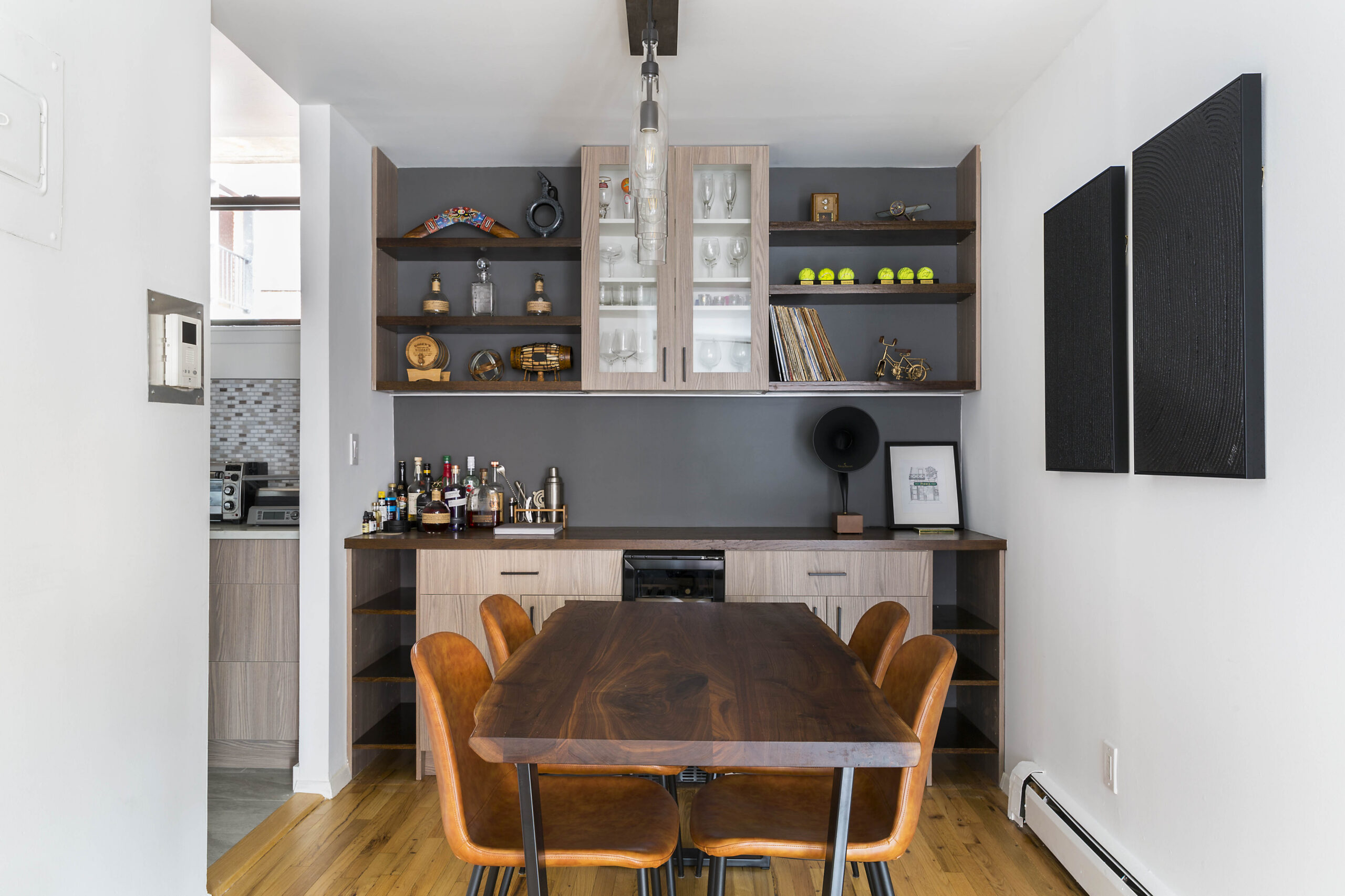
(Above) Geoffrey and Alicia’s remodeled living room with electric fireplace, white rug, and leather couch

City homes reward layouts that reflect daily routines. Even small shifts can change how the entire space feels.

Begin with a routine walk-through. Track how mornings unfold, where bags land, and where traffic slows down. Door swings that block movement or appliances that interrupt paths often signal the best layout changes.

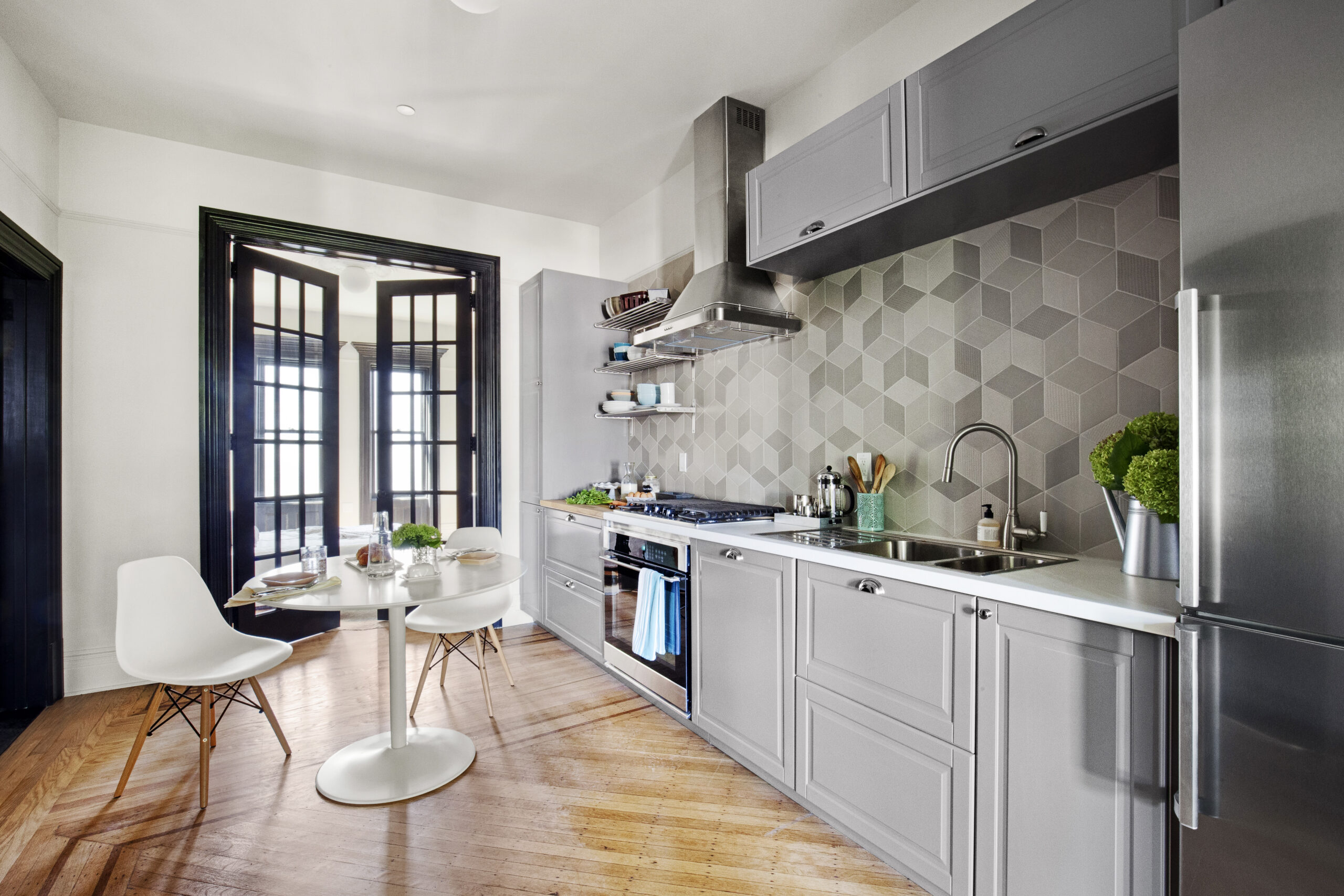
Kitchens benefit most from this resolution. A relocated refrigerator, wider aisle, or added landing space near the range can support daily meals and weekend hosting without expanding the footprint.

Living areas deserve equal attention. Seating that stays out of main routes and clearer sight lines can make gatherings feel relaxed rather than crowded. These adjustments improve flow without adding square footage.

Ready to renovate? Start here for free!

Here you can learn more about our services and locations. Alternatively, browse more home renovation inspirations, processes, and cost guides.

3. Build storage that matches real habits

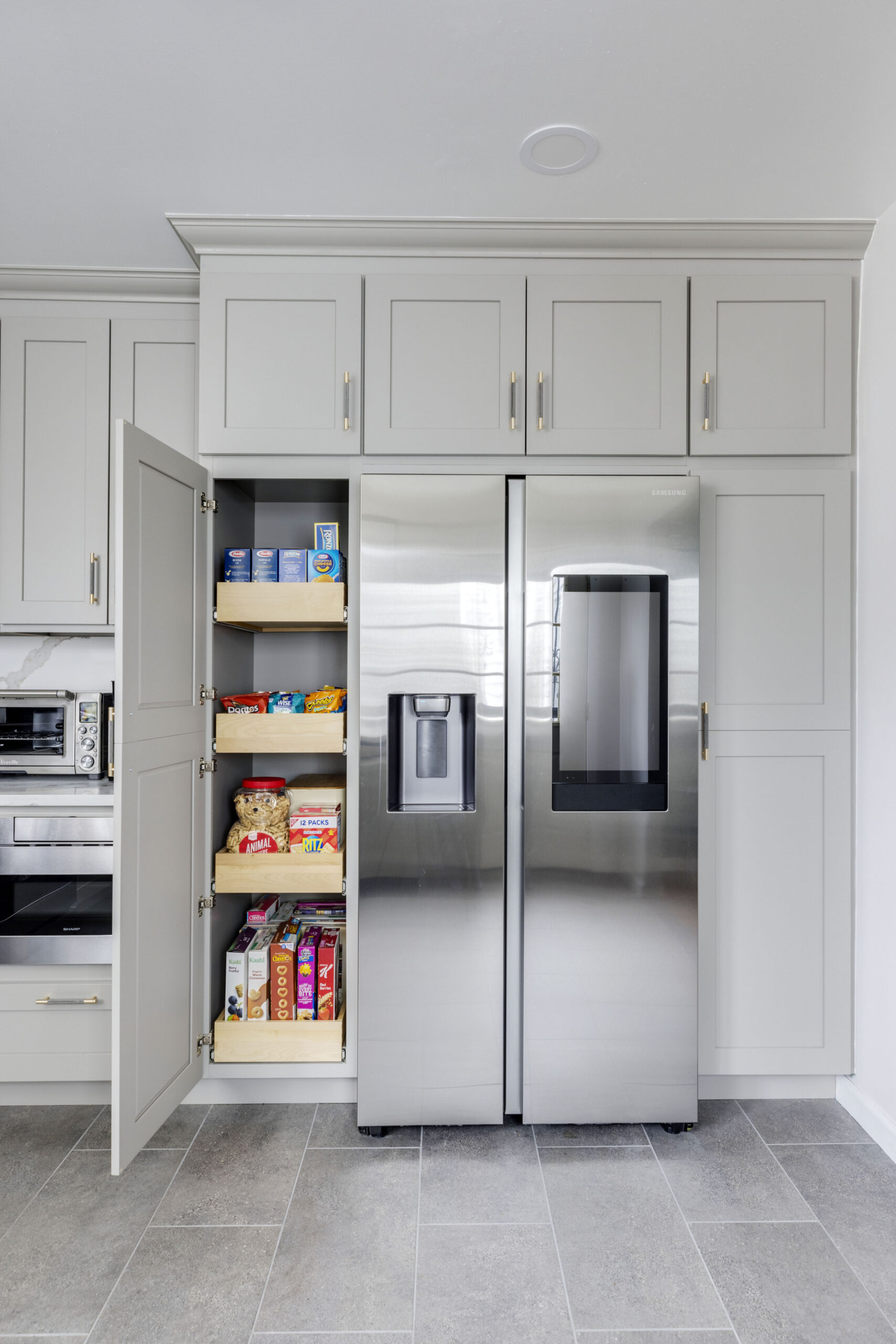
(Above) Gabrielle’s renovated kitchen featuring a refrigerator with cabinet storage next to it

Storage shapes how a city home functions day to day. Renovation resolutions that address clutter can make rooms feel larger and calmer.

Smart storage plans usually share a few traits:

  • Cabinet and drawer sizes reflect actual belongings rather than assumptions.
  • Vertical space gets used through tall cabinets or upper shelving.
  • Deep drawers replace lower cabinets to improve access to heavy items.
  • Entry areas include closed storage for shoes, bags, and daily carryalls.

Effective storage planning starts with measurement. Measuring cookware, cleaning tools, serving pieces, and seasonal items helps guide drawer depth, shelf spacing, and cabinet widths that feel intuitive rather than forced.

4. Upgrade power and lighting for modern use

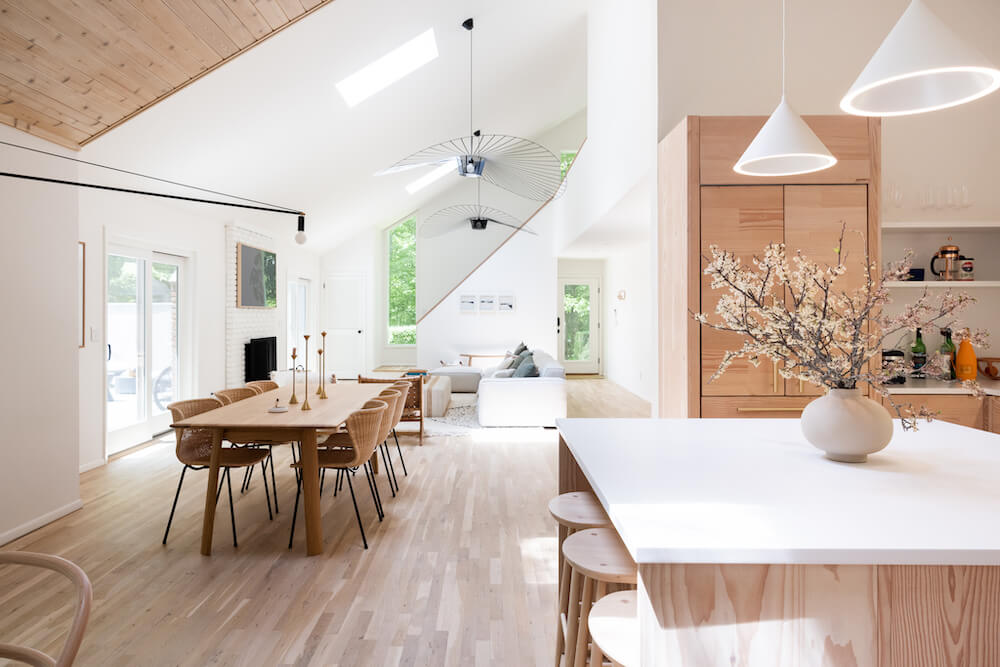
(Above) Kaija and John’s kitchen renovation with white island, white cabinetry, and seating

Many city homes still reflect outdated electrical plans. Renovation work creates a valuable window to align power and lighting with current needs.

Renovate expertly with Sweeten

Sweeten brings homeowners an exceptional renovation experience by personally matching trusted general contractors to your project, while offering expert guidance and support—at no cost to you.

Start your renovation

Start with an outlet review. Note where devices charge, where lamps crowd floors, and where extension cords fill gaps. New outlet placement can remove friction and improve daily use without visual noise.

Lighting should support both tasks and atmosphere. Kitchens need focused illumination at counters and sinks. Living spaces benefit from layered light that shifts from bright to relaxed as the day changes.

Controls matter as much as fixtures. Simple dimmers and intuitive switch placement help the home adapt from work mode to entertaining without confusion for guests.

5. Put quiet and privacy on the requirement list

(Above) Hissan and Sophia’s renovated hallway with warm lighting and wooden flooring

Noise travels easily in dense buildings. Renovation resolutions that address sound can raise comfort across the entire home.

Several design choices can support a quieter, more private space:

  • Solid-core doors with proper seals for bedrooms and baths
  • Floor underlayment that reduces sound transfer within building limits
  • Wall assemblies designed to soften noise between shared units
  • Layout changes that separate work, sleep, and social zones

Privacy extends beyond sound. A pocket door for a bathroom, a revised doorway, or a compact work nook can reduce interruptions and support focus throughout the day. These upgrades often stay invisible once installed, yet they shape daily experience in meaningful ways.

6. Refresh the bathroom for daily comfort

(Above) Amanda and Bob’s remodeled bathroom featuring zellige tile, wooden vanity, and white painted walls

Bathrooms influence daily routines more than their size suggests. Targeted updates can improve comfort and ease without expanding the footprint.

Storage should lead the plan. Vanities with drawers outperform cabinet doors, and mirrored storage can add function without crowding the room. Ventilation and lighting should support both quick mornings and slower evenings.

Fixture placement deserves careful attention. Adequate elbow room at the sink and clear movement through the room can make a compact bath feel more generous. Lighting that reduces shadows improves function and appearance.

Long-term comfort can blend in quietly. Reinforcement behind walls supports future grab bars, and low-threshold showers can improve access where building rules permit. These choices protect flexibility without calling attention to themselves.

7. Plan approvals and logistics from day one

(Above) Zoe and Arvid’s remodeled living room with wooden flooring, black couch, and mat

City renovations involve layers beyond design and construction. Building rules and logistics can shape the experience as much as finishes.

Early planning should cover these operational details:

  • Alteration agreements, insurance requirements, and work-hour limits
  • Submission timelines tied to board or management reviews
  • Elevator reservations, delivery scheduling, and material staging
  • Debris routes that protect common areas and neighbor relationships

Communication should feel steady rather than constant. Agree on how updates arrive, how questions get answered, and how changes move forward. The right rhythm supports confidence throughout the build.

8. Commit to renovation resolutions that last

(Above) Jerry and Janet’s renovated living area with wooden flooring, white painted walls, and fireeplace

Renovation resolutions succeed when they focus on daily life rather than short-term trends. City homes reward planning, clarity, and restraint.

Choose upgrades that remove friction, support hosting, and create calm. Align scope, budget, and timing before work begins. Treat building rules and logistics as part of the plan rather than obstacles.

With the right renovation resolutions and a qualified contractor, a new year can deliver lasting improvements that make city living feel easier, quieter, and more intentional.

We can help plan your renovation

Find endless home renovation inspiration, detailed guides, and practical cost breakdowns from our blogs. You can also post your project on Sweeten today and get matched with our vetted general contractors and get estimates for free!

Frequently asked questions

Renovation resolutions help prioritize projects in a city home by clarifying which upgrades solve daily frustrations rather than cosmetic wants. This focus helps homeowners direct budget and time toward changes that improve function, comfort, and long-term use.

You should select materials as far as several months before construction begins, especially for kitchens and bathrooms. Early selections reduce schedule gaps caused by lead times and help contractors coordinate work more efficiently.

One question you should ask before finalizing a renovation scope is which elements will have the biggest impact on daily routines. This question helps align design decisions with real-life use and keeps the project grounded when adjustments arise.

You may also like

Renovate with Sweeten!

sweeten-magic

We’ll match you with vetted general contractors and offer support until your project is done — at no cost to you!

Start your renovation

Customer review 5.0

sweeten-thumbsup

“Sweeten provides a modern way to connect with contractors and greatly reduces the stress involved in this process.”

— Richard, A. from Brooklyn, NY

Read more reviews —>
Start your renovation
no-cost-blue

Subscribe to our
renovation newsletter