8 Kitchen Peninsula Ideas to Bring Into Your 2026 Remodel

A kitchen peninsula can add prep space, seating, storage, and a stronger connection to the next room. It can also shape the way the whole kitchen works, especially in homes where a full island would crowd the layout.

We’ve prepared a roundup of top kitchen peninsula ideas that go beyond extra counter space and show what thoughtful planning can really do. For the basics, start with Sweeten’s kitchen peninsula guide, then use these examples to think through the details you’ll want to discuss with a contractor.

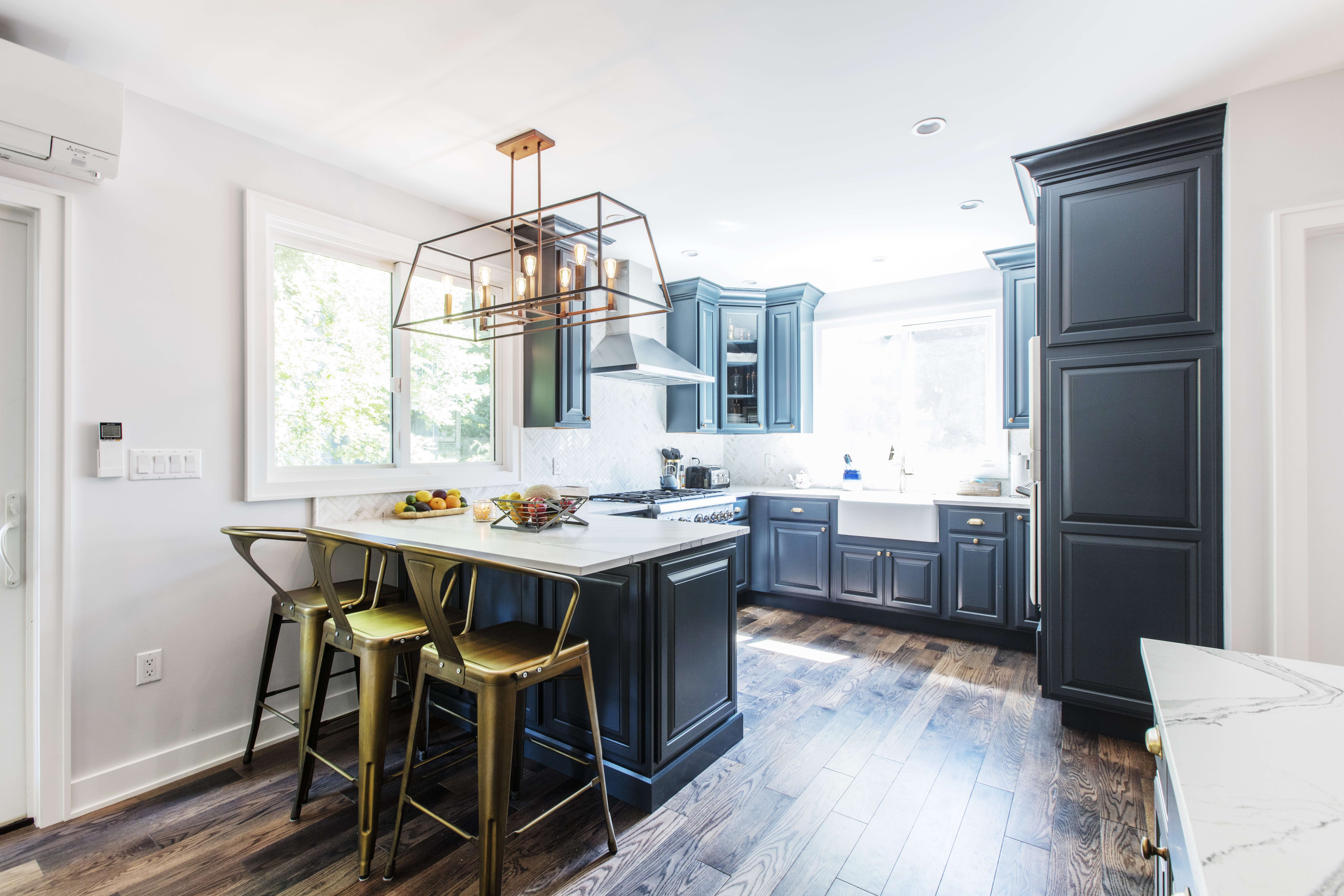
Kitchen peninsula idea in Brooklyn with bar seating, dark blue cabinets, white counters, statement lighting, wood floors, and open prep space.
(Above) Nydia’s peninsula brings together seating, lighting, and bold cabinet color, showing how one feature can shape both the look and function of a kitchen remodel.

Key points

  • A kitchen peninsula can add seating, storage, prep space, and separation without needing the same footprint as a full island.
  • The strongest peninsula ideas usually come down to the details: counter edges, lighting, cabinet finish, storage access, and seating clearance.
  • Appliances, outlets, plumbing, and cabinet depth should be planned before cabinets and counters are ordered.
  • A contractor can help confirm what works with the existing layout, budget, and larger kitchen renovation scope.

1. Add seating without crowding the walkway

Peninsula seating works best when it feels easy to use, not squeezed into the room as an afterthought. In Laura and Randy’s Manhattan co-op, the kitchen was opened up and expanded with a peninsula, bar seating, and a built-in desk niche for homework and work-from-home days.

That kind of layout can work especially well when the kitchen needs to support casual meals, conversation, and daily family routines. If entertaining is part of the goal, it also helps to think through how the peninsula relates to prep zones, serving space, and nearby seating, much like you would when planning a kitchen that works well for hosting.

Contractor planning note: Ask how many stools can fit comfortably, how deep the counter overhang should be, and whether appliance doors or walkways will be blocked once people are seated.

Planning to renovate? Get free cost estimates from our partner GCs!

Get matched with our vetted general contractors and receive at least 3 quotations for free! You can also find endless home renovation inspiration, detailed guides, and practical cost breakdowns from our blogs.

2. Use a waterfall edge for a built-in look

A waterfall edge can make a peninsula look more finished from the living or dining side. In Dan and Mike’s Manhattan kitchen, the countertop extension helped mark the kitchen entry while giving the small open kitchen a more built-in feel.

This detail looks simple once installed, but it needs early coordination. Countertop material, slab size, seams, edge profile, and fabrication can all affect the final price, so it’s worth reviewing how finish choices influence kitchen remodeling costs before you commit.

Contractor planning note: Ask where countertop seams will land, how the waterfall panel will be supported, and whether the material choice fits the budget and lead time.

3. Mix countertop materials for contrast

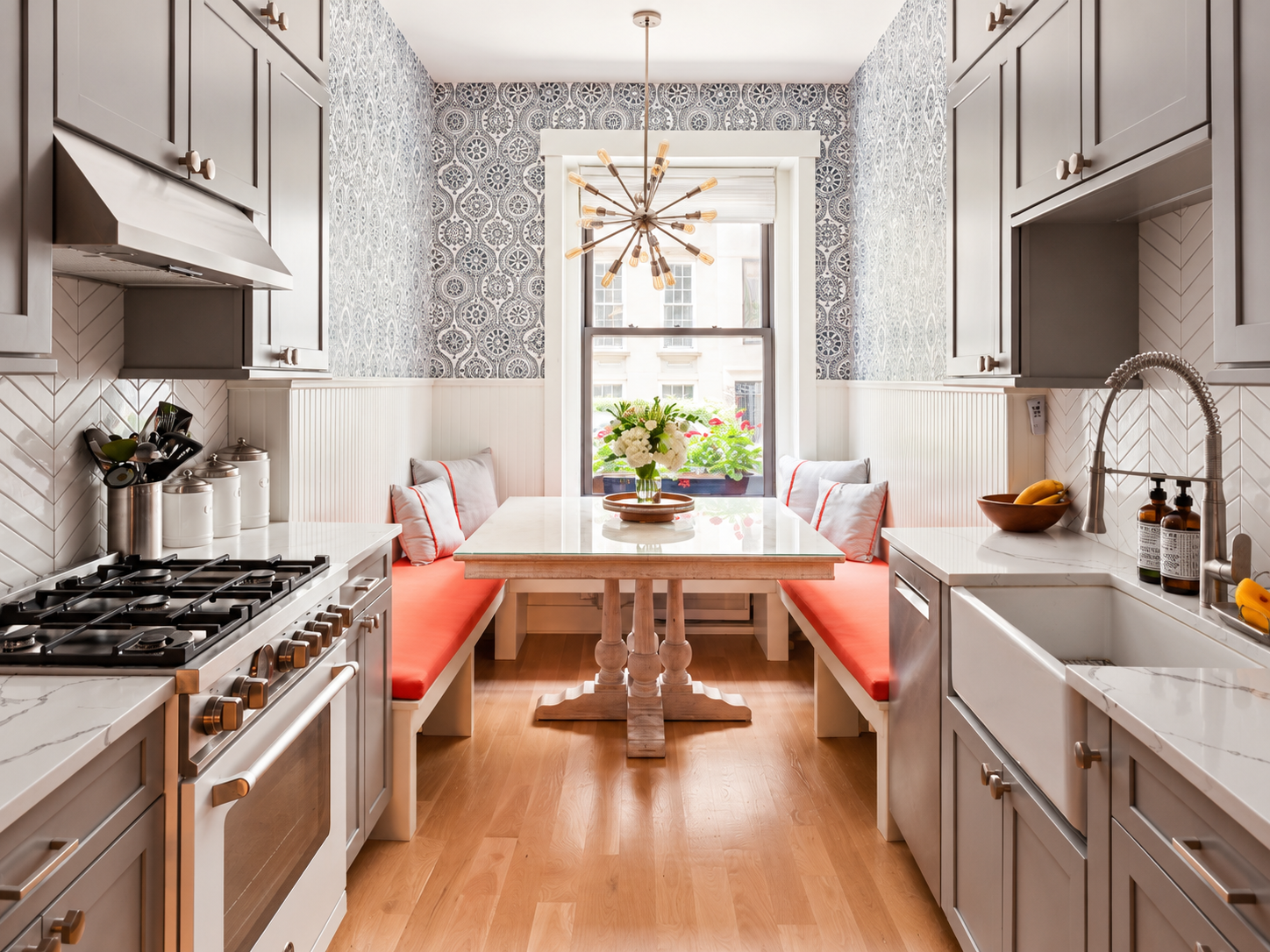
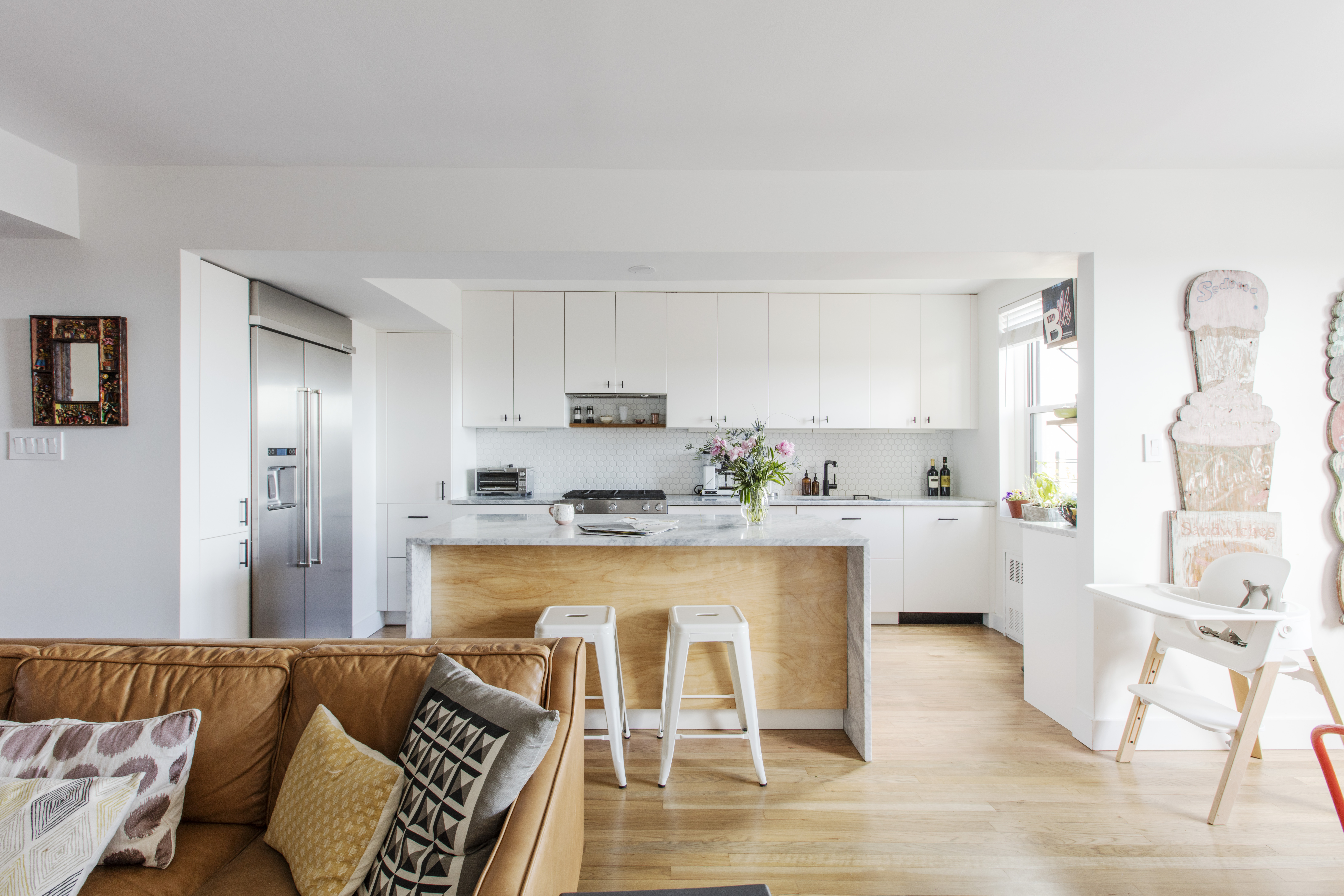
A peninsula can help bring different finishes together when the kitchen is open to another room. In this Cobble Hill remodel, white upper cabinets, gray lower cabinets, marble-look quartz, a matching backsplash, and stainless-steel appliances created a clean, contemporary palette.

The trick is to treat the peninsula as part of the whole finish story. Countertop color, backsplash style, cabinet tone, and flooring all need to work together, so it may help to compare the peninsula plan with other kitchen backsplash design ideas before finalizing materials.

Contractor planning note: Ask your contractor to confirm counter thickness, cabinet support, edge details, and where the backsplash and peninsula finishes should visually meet.

4. Use the end panel as a design moment

The end of a peninsula is often one of the most visible parts of the kitchen. In this Park Slope renovation, the contractor embraced an angled wall, opened the new kitchen layout, and made room for both a peninsula and a dining nook, with a bookshelf fitted at the peninsula end closest to the living room.

That small move matters because the side facing the living area should feel intentional. A blank panel can work, but open shelving, closed storage, a furniture-style side, or a bookshelf can make the peninsula feel more connected to the room around it.

Contractor planning note: Decide on the end detail before cabinet ordering, since shelving depth, panel style, trim, and storage access all affect the cabinet plan.

5. Build storage into both sides

Some of the most useful kitchen peninsula ideas are not flashy at all. In Cat and Jordan’s prewar home, an island was scaled back to a peninsula after demolition revealed that the dividing wall could not come down, and the smaller footprint ended up working beautifully.

On the kitchen side, the peninsula held kitchenware, cookware, trash, and recycling. On the dining room side, it stored napkins, placemats, and cookbooks, which is the kind of everyday detail that can make a kitchen easier to live with.

Renovate expertly with Sweeten

Sweeten brings homeowners an exceptional renovation experience by personally matching trusted general contractors to your project, while offering expert guidance and support—at no cost to you.

Start your renovation

Contractor planning note: Ask which side should get drawers, doors, or open shelving, and check that every cabinet can open without crowding the dining area or walkway.

6. Place appliances where they support the workflow

A peninsula can hold more than cabinets and stools. In the Phoenixville remodel, an enclosed porch area became part of the kitchen and gained an eat-in peninsula with a beverage refrigerator and extra storage for tableware and a mixer.

Appliance placement should follow how the kitchen is used. A beverage fridge can make sense near seating or entertaining areas, while a microwave drawer, sink, or cooktop may require more planning around outlets, plumbing, ventilation, or gas, especially if the peninsula becomes part of a larger layout change.

For homeowners who like the idea of a dedicated drink zone, Sweeten’s home beverage station ideas can help show how that feature fits into the rest of the kitchen.

Contractor planning note: Ask what electrical, plumbing, or gas work is needed before placing appliances in a peninsula, since those choices can change the project scope and cost.

7. Choose lighting that defines the peninsula zone

Lighting can turn a peninsula into a clear seating, serving, or prep zone. In Marissa and Jeremy’s Brooklyn kitchen, pendants over the peninsula and dimmable under-peninsula LED lighting helped make the space brighter, more layered, and easier to use.

This is where the pretty part and the practical part meet. Fixture height, switch locations, dimmers, ceiling conditions, and wiring all need to be planned before installation, especially if the kitchen is being opened up or reworked.

Contractor planning note: Ask where pendants should be centered, how low they should hang, and whether the ceiling has the right wiring or needs electrical work first.

8. Use color contrast to make the peninsula stand out

Color contrast can help a peninsula feel like a real feature instead of extra cabinetry added to the room. In Nydia’s Brooklyn kitchen, the eat-in peninsula added storage, prep space, and separation from the basement entry, while gray-blue cabinets and brushed gold accents gave the kitchen a warmer modern edge.

This is also where cabinet color, hardware, flooring, and counter choice should be viewed together. If the peninsula is meant to stand out, compare painted cabinet tones with the counters and nearby finishes, then use kitchen cabinet color ideas and cabinet hardware inspiration to narrow the look.

Contractor planning note: Ask for finish samples in the actual kitchen light before final approval, especially if the peninsula color will be seen from adjoining rooms.

What to discuss with your contractor before adding a peninsula

A peninsula can be part of a simple kitchen update, but it can also push the project into a larger remodel if walls, plumbing, electrical work, flooring, or appliances are involved. That is why it helps to bring inspiration photos to your contractor and talk through what the peninsula needs to do before plans are finalized.

Start with the layout. Ask whether the kitchen has enough room for the peninsula, how traffic will move around it, and whether seating, storage, or appliance doors will create pinch points.

Then talk about systems. If the peninsula will include outlets, lighting, a beverage fridge, a sink, a microwave drawer, or a cooktop, your contractor can explain what needs to happen behind the walls, under the floor, or above the ceiling.

Finally, connect the design choice to budget and scope. If adding a peninsula involves opening walls or changing the layout, it may be worth reviewing what goes into a larger remodel with hidden conditions so you understand why planning ahead matters.

Good questions to ask include:

  • How much clearance do we have around the peninsula?
  • Can we add seating without blocking the main walkway?
  • Will this require electrical, plumbing, gas, or ventilation work?
  • Should the cabinets be stock, semi-custom, or custom?
  • Where should outlets, lighting, and switches go?
  • What details should be decided before the cabinets and counters are ordered?

Before signing, it also helps to review the questions worth asking a contractor and understand what goes into hiring the right general contractor for the job.

Choosing the right kitchen peninsula idea for your remodel

The right peninsula idea depends on what your kitchen needs most. Some homes need seating, some need storage, and some need a better way to connect the kitchen to a dining or living area.

Once you know the purpose, the design decisions get easier. Countertop edges, cabinet color, lighting, hardware, appliances, and storage details should all support that main goal.

A finished peninsula may look simple, but the planning behind it affects the final result. Sweeten can connect homeowners with vetted general contractors for kitchen renovations, helping you compare options and plan the details before construction begins.

Ready to renovate? Start here for free!

Here you can learn more about our services and locations. Alternatively, browse more home renovation inspirations, processes, and cost guides.

Frequently asked questions

A kitchen peninsula is a connected counter or cabinet run that extends from a wall or existing cabinetry into the kitchen. It can add prep space, seating, storage, and a clearer transition between the kitchen and nearby living or dining areas.

The difference between a kitchen peninsula and an island is that a peninsula is attached on one side, while an island stands alone with open space around all sides. For a closer comparison, see our island guide.

Yes, a kitchen peninsula is worth it because it can make one feature do several jobs, from seating and storage to prep space and visual separation. A general contractor can help confirm the right size, layout, clearances, and build details before cabinets, counters, lighting, or appliances are finalized.

You may also like

Renovate with Sweeten!

sweeten-magic

We’ll match you with vetted general contractors and offer support until your project is done — at no cost to you!

Start your renovation

Customer review 5.0

sweeten-thumbsup

“It was great to work with Sweeten. They provided excellent choices, and were honest with us when we asked questions. We recommend them for others like us with no previous experience.”

— Mary C. from Philadelphia, PA

Read more reviews —>
Start your renovation
no-cost-blue

Subscribe to our
renovation newsletter