A Food Writer’s Co-op Adds Marble Baths and a Piano Nook

Lauren and Ross wanted more room, but they also wanted to stay close to the Chelsea neighborhood they already loved. After searching for a few months, they found a two-bedroom, two-bath apartment in Kensington House, an Art Deco co-op building only three blocks from their previous home.

The Emory Roth-designed apartment had the space they needed for hosting, along with a natural spot for Ross’ piano. The bathrooms, though, still carried much of their 1930s character, including dated tile, industrial-style toilets, and exposed radiator pipes that made the spaces feel less polished.

To bring the apartment closer to the way they lived, the couple worked with White Arrow on hotel-inspired baths with better storage, including a marble bathroom look in the main and guest baths. Their renovation also included thoughtful updates to color, lighting, and a space-saving pocket door.

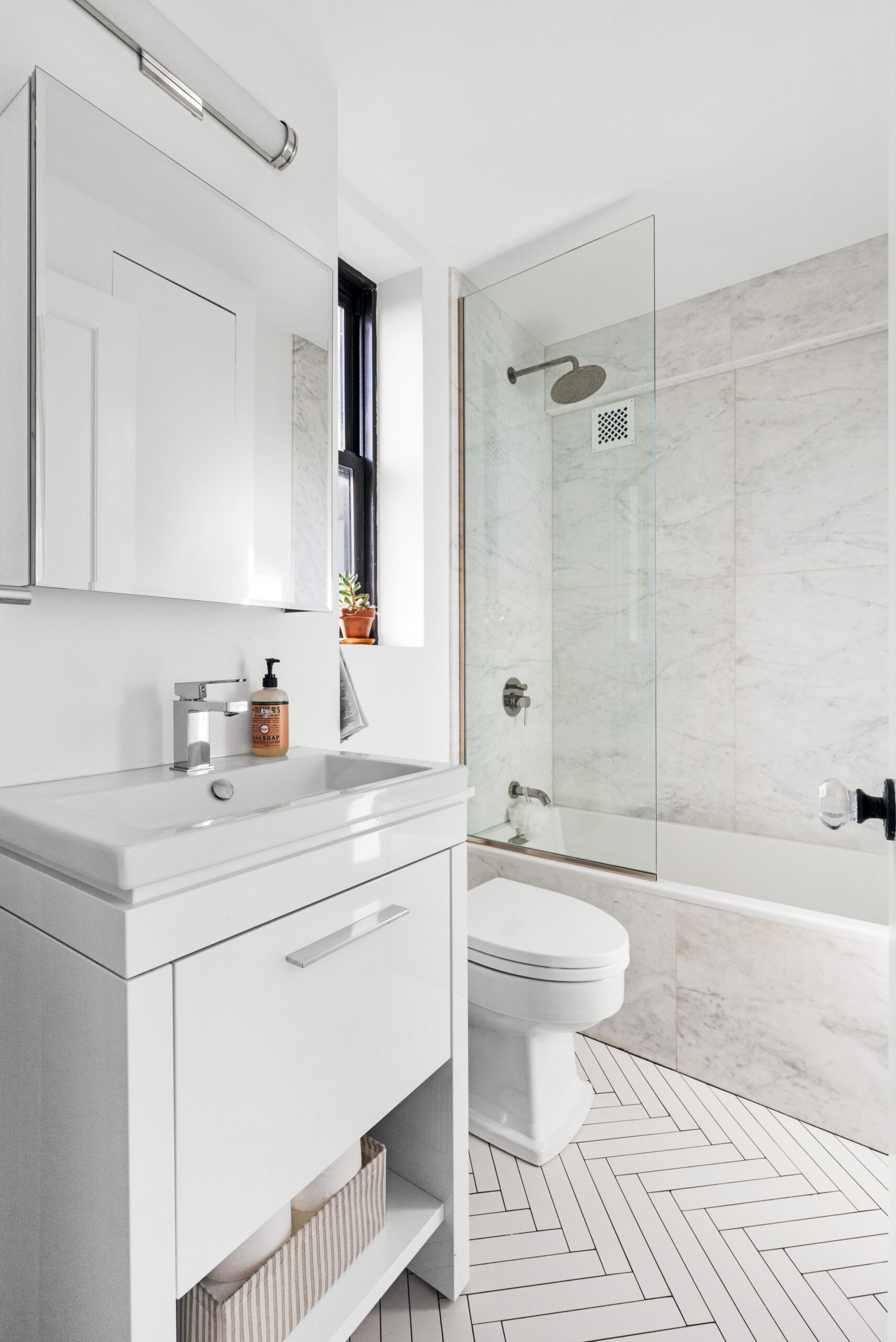
Chelsea Marble Bathroom with white vanity, glass tub panel, marble tub surround, herringbone floor tile, and added open storage near the sink.
(Above) This finished Chelsea bath feels calm and hotel-inspired, with functional storage, marble walls, and a tub area that feels open without losing privacy.
  • Homeowners: Lauren, a food writer, and her husband, Ross, worked with White Arrow, which posted their apartment renovation on Sweeten
  • Where: Chelsea, Manhattan, New York
  • Primary renovation: The two bathrooms were gutted and redesigned with hotel-inspired finishes, marble walls in the main bath, marble floor tile in the guest bath, deep-soaking tubs, new toilets, new shower fixtures, added storage, and a cleaner white palette. The apartment also received a new kitchen backsplash and faucet, new lighting throughout, a piano nook in the study, a pocket door in the dining foyer, and more.
  • Homeowner’s quote: Our Sweeten contractor was helpful throughout the design process and suggested practical changes that made the plans work better for our home.”

Guest post by Chelsea homeowner and food writer Lauren Shockey

A larger Chelsea home leads to a practical renovation

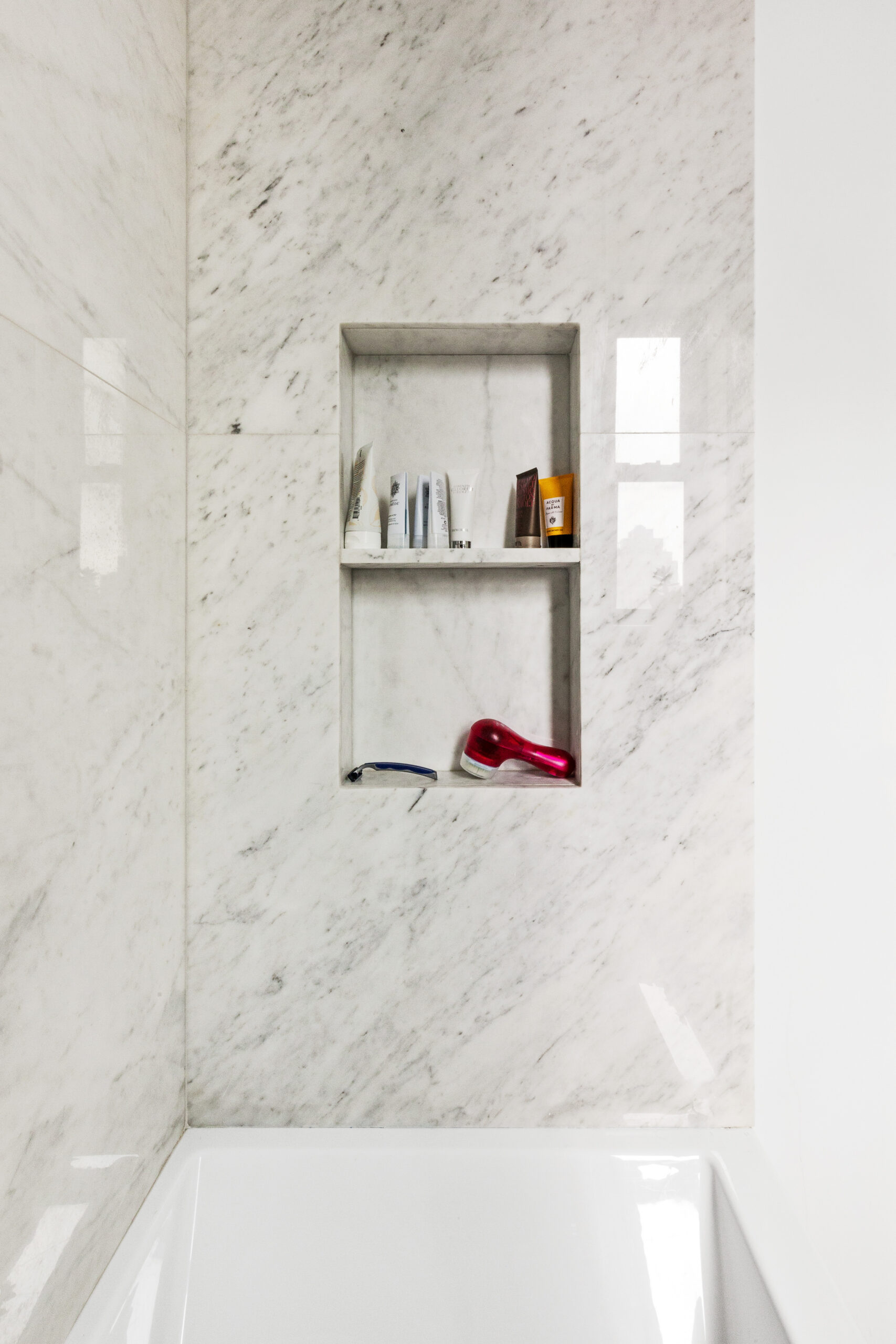
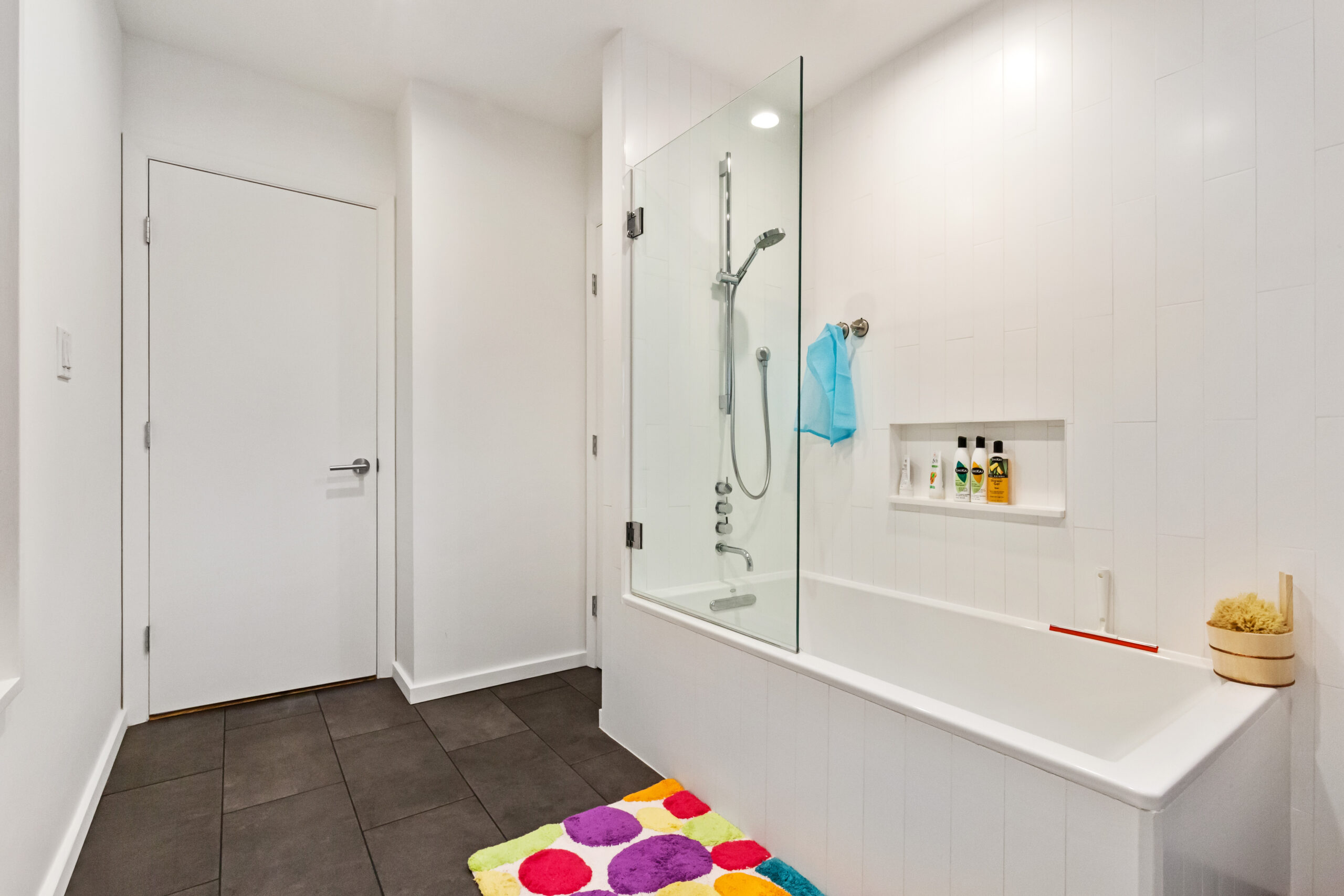
Chelsea Marble Bathroom with marble tub surround, glass panel, deep tub, rain showerhead, and built-in niche for streamlined bath storage.
Slide
previous arrow
next arrow
 

Ross and I bought a two-bedroom apartment in Chelsea last year after realizing we needed more space but did not want to leave the neighborhood. We had been living in a one-bedroom nearby, so finding a larger apartment only three blocks away felt like the right move. After about three months of searching, this one finally clicked.

The apartment had a loft-style layout we loved, but the bathrooms clearly needed attention. The tile felt dated, and one bathroom had a large, old metal tub stopper next to the toilet that made the space feel awkward.
We decided to renovate both bathrooms and take care of several other updates at the same time. The plan included replacing the kitchen backsplash and lighting, sanding the floors, repainting the apartment, removing a desk in the study so Ross could have room for a piano, and changing the barn door in the dining foyer into a more discreet pocket door.

We brought in White Arrow, a design firm run by a friend’s sister, to help shape the project. They posted the renovation on Sweeten and found our contractor, who was helpful throughout the design process and suggested practical changes that made the plans work better for our home.

Planning to renovate? Get free cost estimates from our partner GCs!

Get matched with our vetted general contractors and receive at least 3 quotations for free! You can also find endless home renovation inspiration, detailed guides, and practical cost breakdowns from our blogs.

New lighting and a cleaner kitchen support entertaining

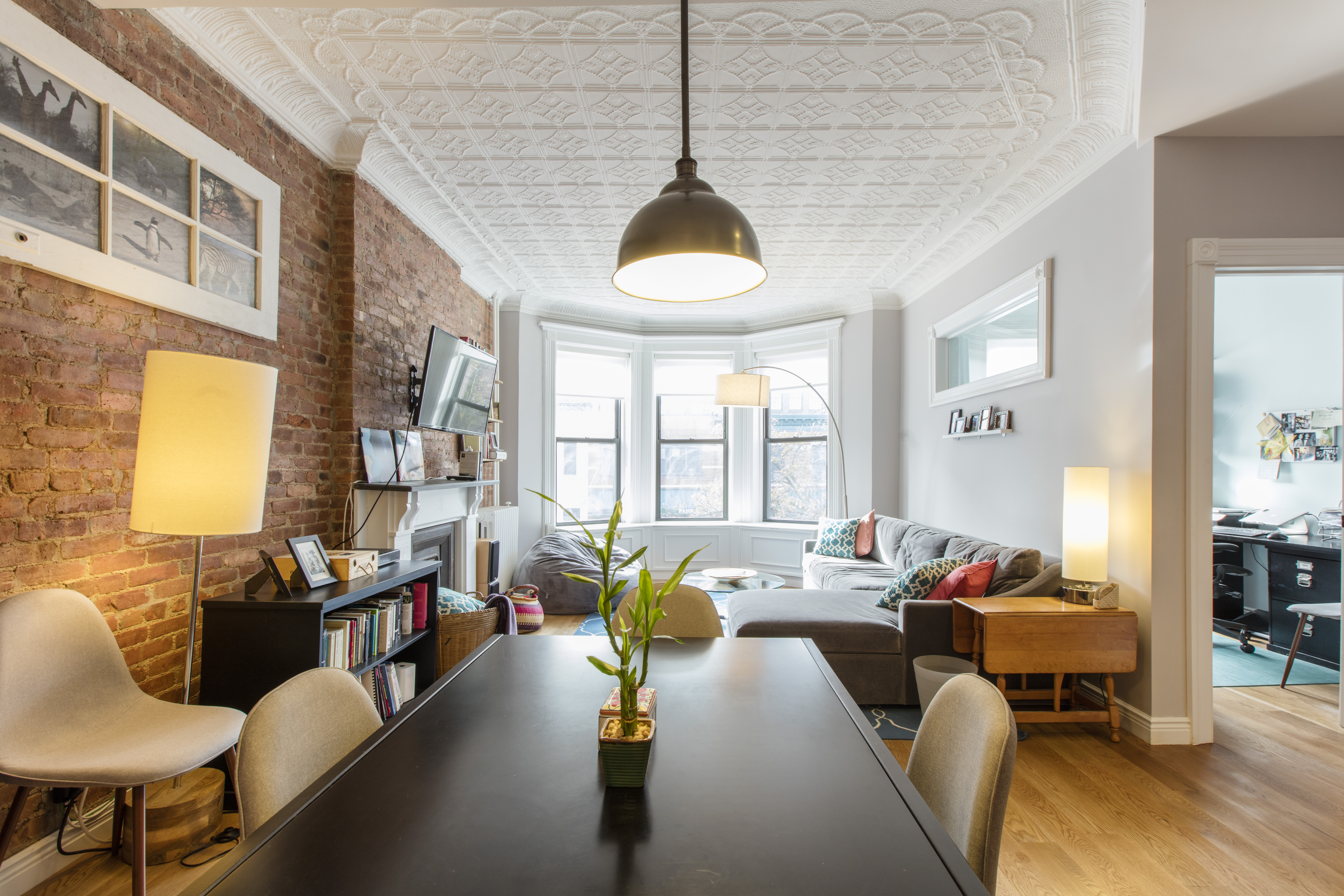
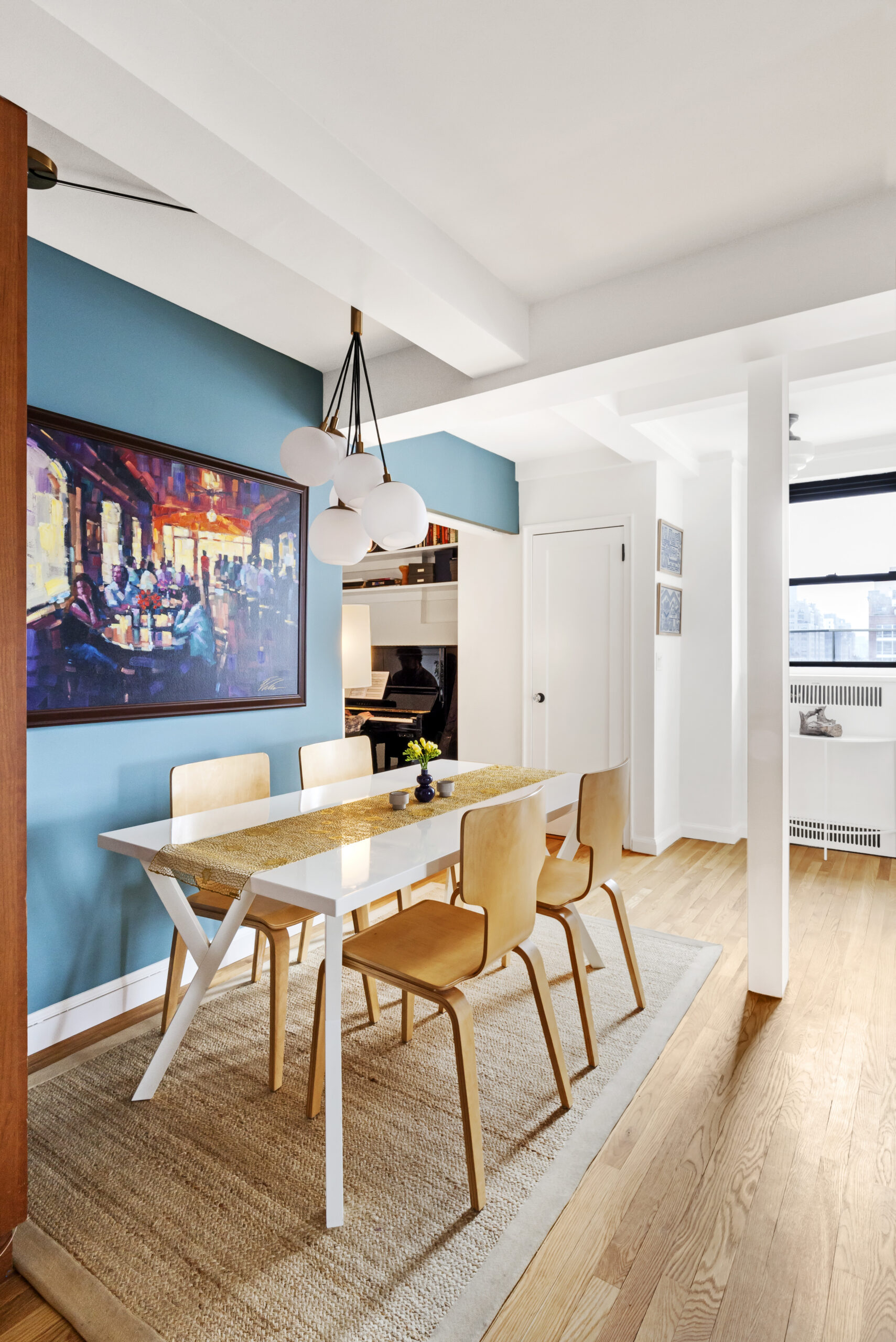
Chelsea dining area after renovation with Hamilton Blue wall, globe chandelier, refinished wood floors, artwork, and piano nook beyond.

We expected the renovation to take two to three months, but like many New York projects, it stretched closer to four. One surprise came early: the previous tenants had taken all of the light fixtures with them, so we needed to choose new lighting for every room.

To pull my ideas together, I made a Pinterest board and started narrowing in on the look I wanted. One of our favorite choices is the CB2 chandelier over the dining table, which adds a distinctive focal point without feeling too formal.

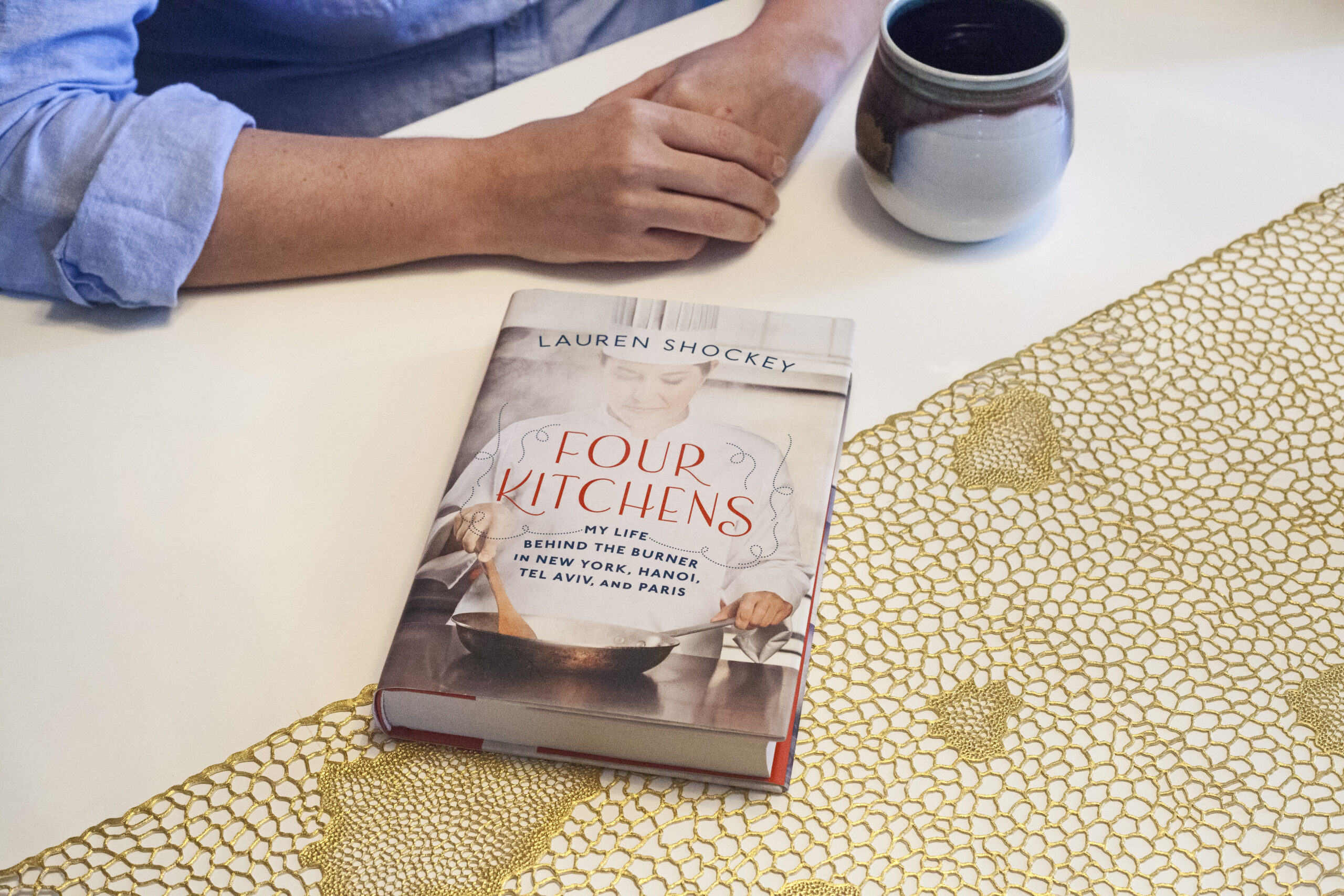
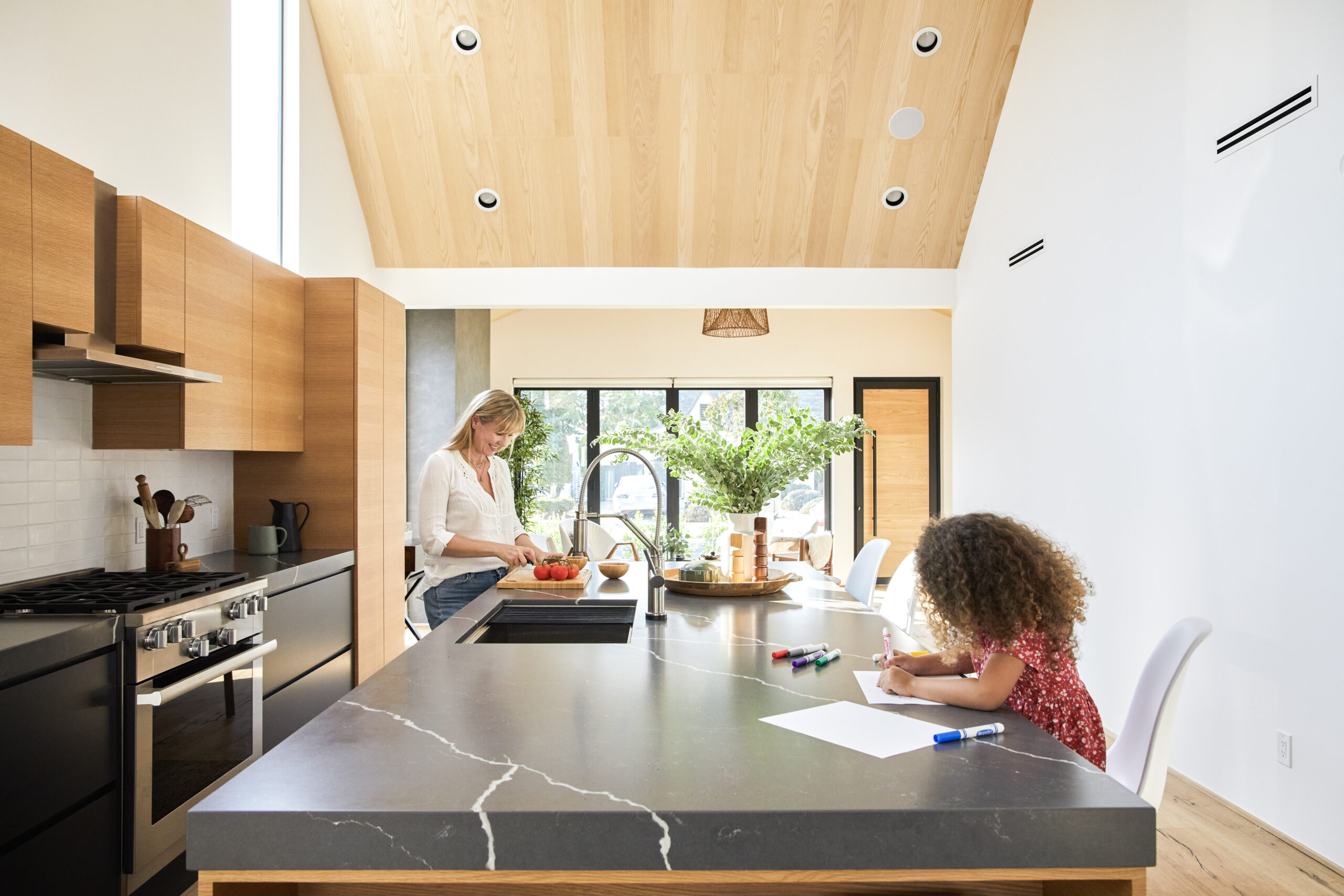
As a food writer, and as someone who wrote Four Kitchens about working in restaurants around the world, I cared a lot about having a kitchen that felt clean, simple, and easy to cook in. The existing custom cabinets were worth keeping, so we focused on smaller changes with a big visual effect.

We replaced the red-and-brown backsplash with white subway tile and added a contemporary Grohe faucet at the sink.

Renovate expertly with Sweeten

Sweeten brings homeowners an exceptional renovation experience by personally matching trusted general contractors to your project, while offering expert guidance and support—at no cost to you.

Start your renovation

A piano nook and pocket door add personal function

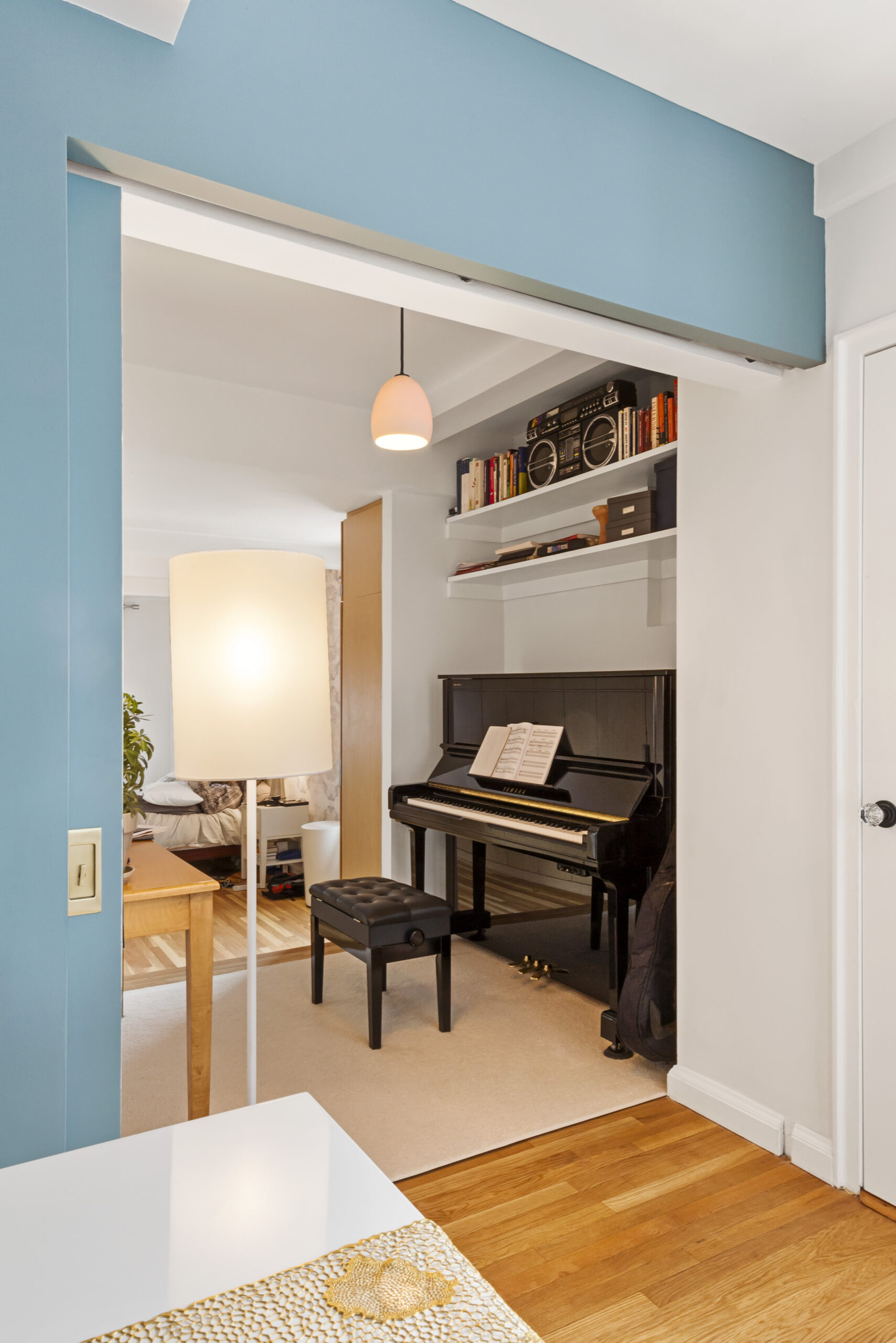
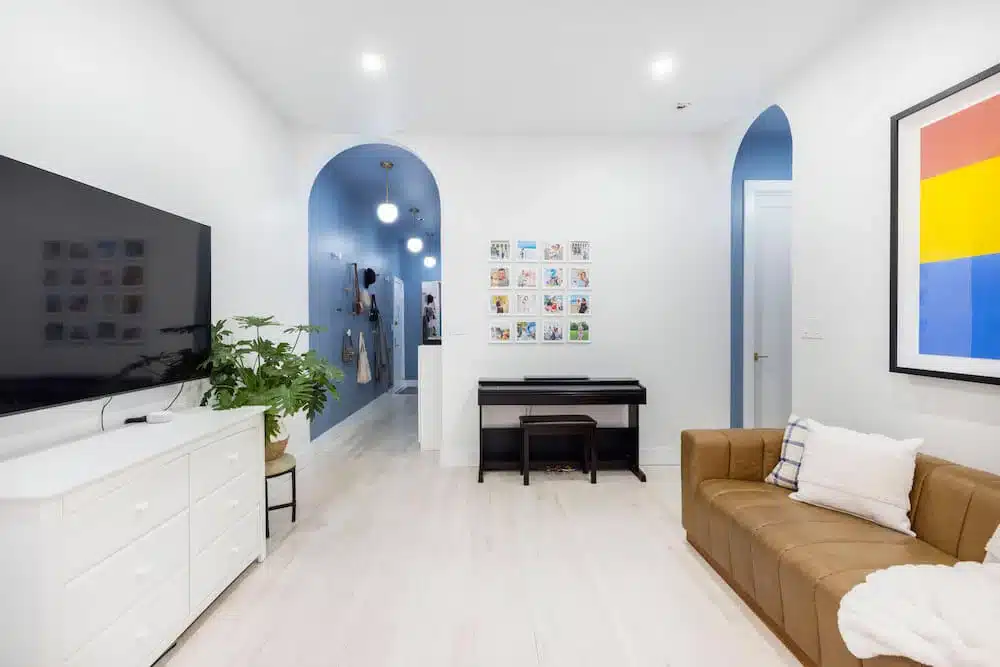
Chelsea piano nook after renovation with Hamilton Blue pocket door opening, upright piano, open shelves, refinished wood floors, and dining table nearby.

Ross plays piano, and this apartment finally gave us enough room to make space for one. We removed a wooden plank the previous owners had been using as a desk, which opened up a nook that fit an upright piano perfectly.

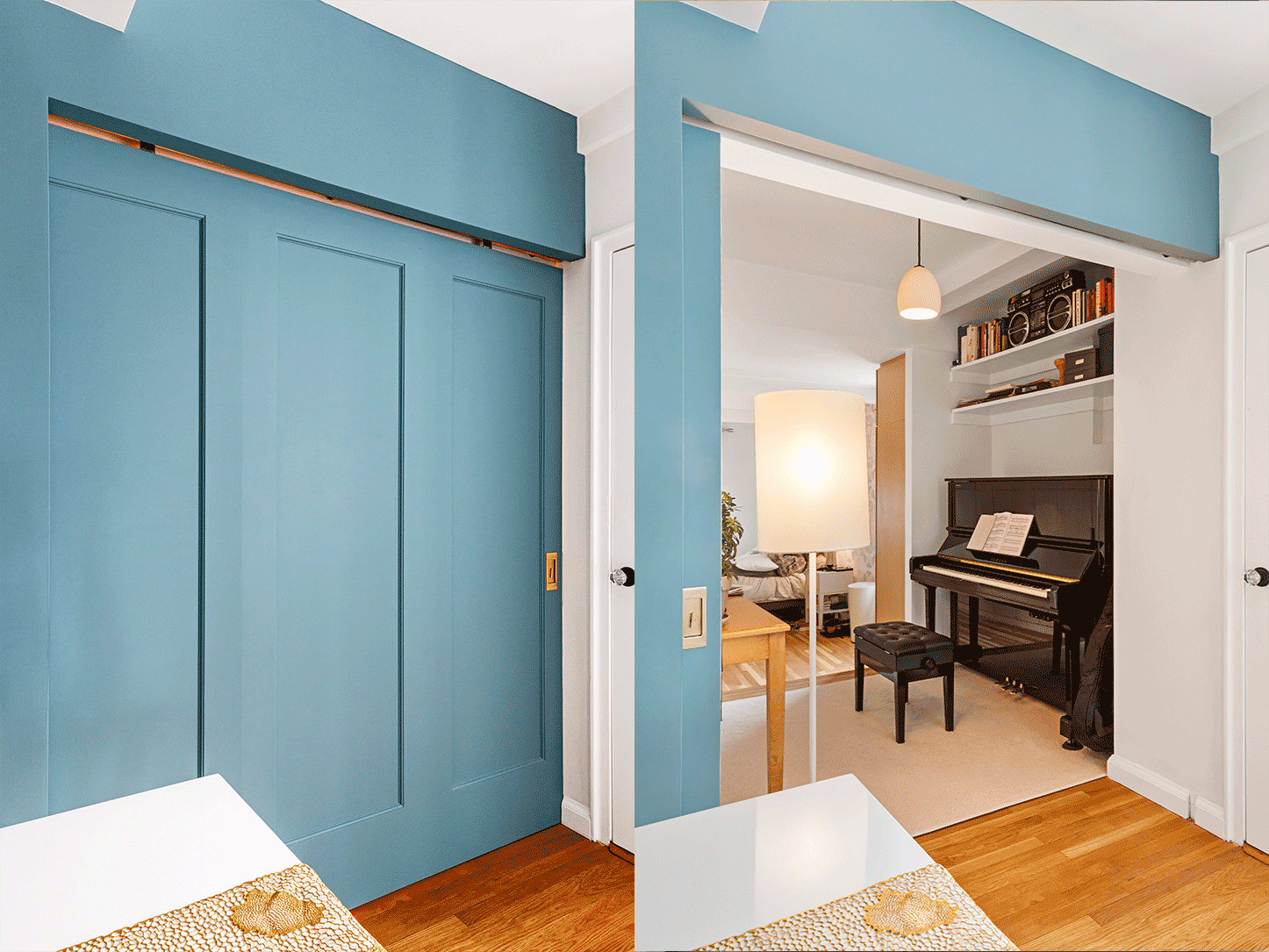
The pocket door between the dining area and bedroom took more problem-solving. Instead of ordering an expensive custom wood door, our contractor suggested attaching three store-bought doors together, then building a false wall over the old barn door opening. It gave us the cleaner, more discreet look we wanted at a better cost.

This sliding pocket door opens up to a piano nook.

We painted the door and surrounding walls Hamilton Blue by Benjamin Moore, a color we had used in our previous apartment and already loved with our artwork. In the dining area, we also covered an exposed pipe that sat in the walkway.

We had hoped to remove it, but that was not possible because our apartment had once been two separate units, and the pipe had been hidden inside the dividing walls.

Marble bathroom style brings a hotel feel to the baths

The bathrooms needed the most attention, so that is where much of the design work began. Our designers first looked at moving the sink and toilet locations to improve the layout, but that would have meant more permits and a longer timeline. We decided to keep the tubs, sinks, and toilets where they were and focus on finishes, fixtures, storage, and comfort instead.

Because I love taking baths, we added deep-soaking tubs in both bathrooms, along with Toto toilets. In the main bath, I wanted the clean, polished feeling of a hotel bath, so marble walls became the focus of the space. That marble bathroom look helped give the room the calm, elegant feel I had been picturing.

Our contractor sourced the glass panel for the tub, which kept the room feeling more open than a shower curtain would have. We also covered the exposed heating pipes with grates from Architectural Grille and added storage with a shower niche and a large in-wall cabinet across from the sink.

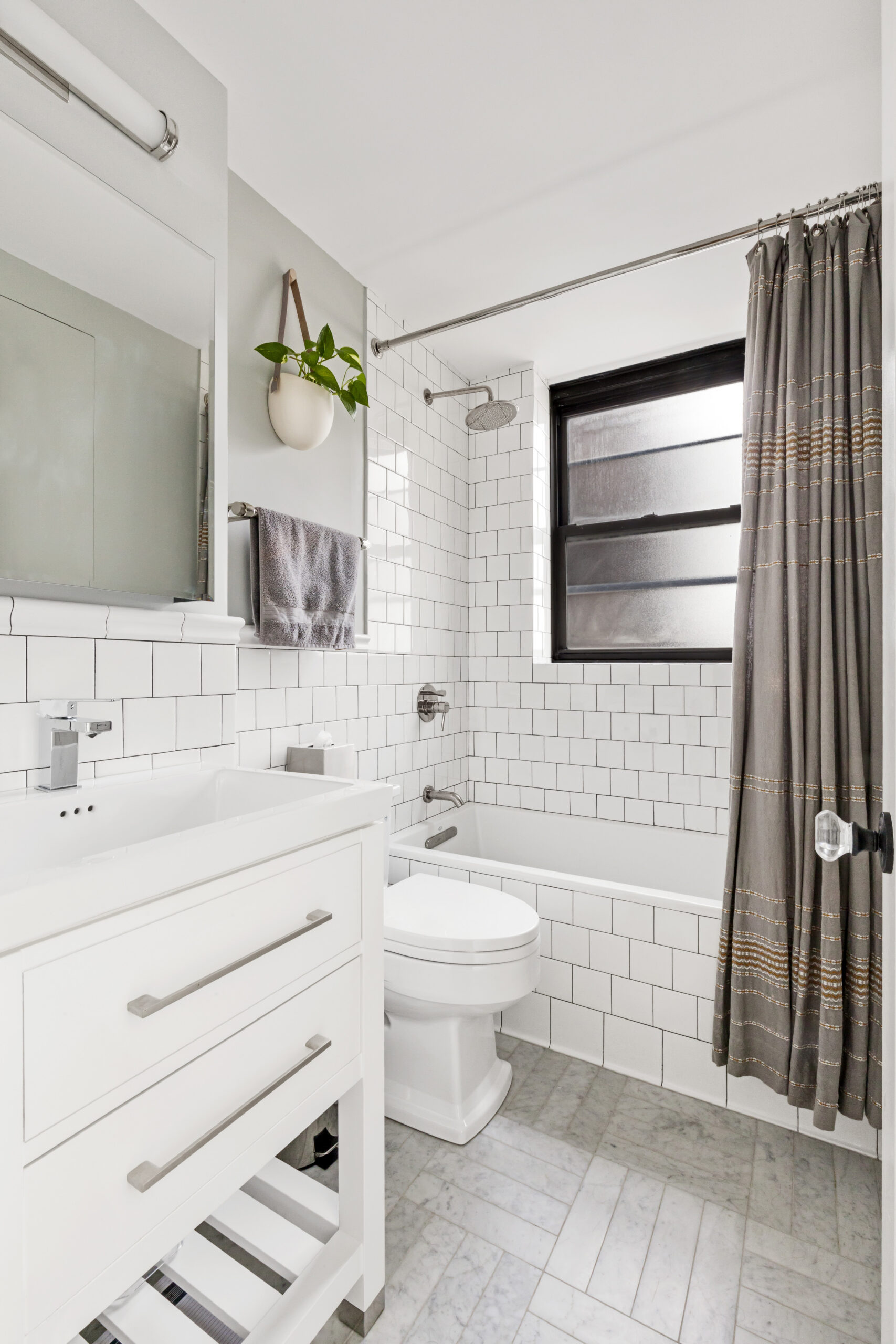
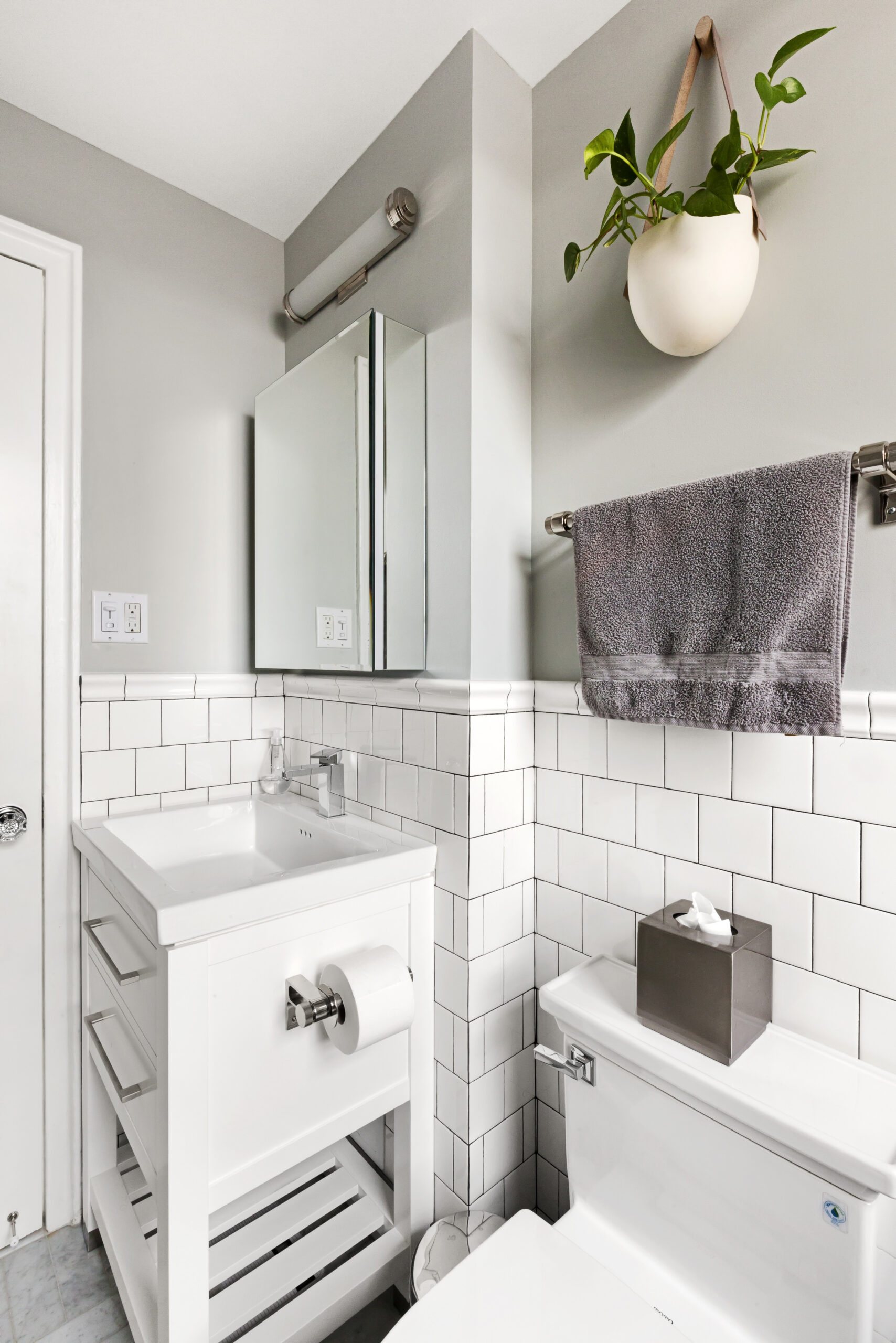
New York City guest bath with white subway wall tile, black grout, marble floor tile, white vanity, tub, shower curtain, and dark window trim.

For the guest bath, we chose simple white wall tile with black grout to complement the shower curtain and planter we had brought from our previous home. A parquet marble floor tile from Wayfair added another layer of pattern and texture. When there were issues with the tile selected for that room, our contractor suggested adjustments that helped the material work better in the space.

Both showers received contemporary Graff fixtures, and we kept the overall palette white because it felt soothing and timeless. We wanted the bathrooms to feel good to us now, while still having a clean look that could appeal to future buyers.

A contemporary home still honors its Art Deco roots

Chelsea homeowners seated on a gray sofa after renovation, with a colorful gallery wall, framed artwork, pillows, and a bright living area.

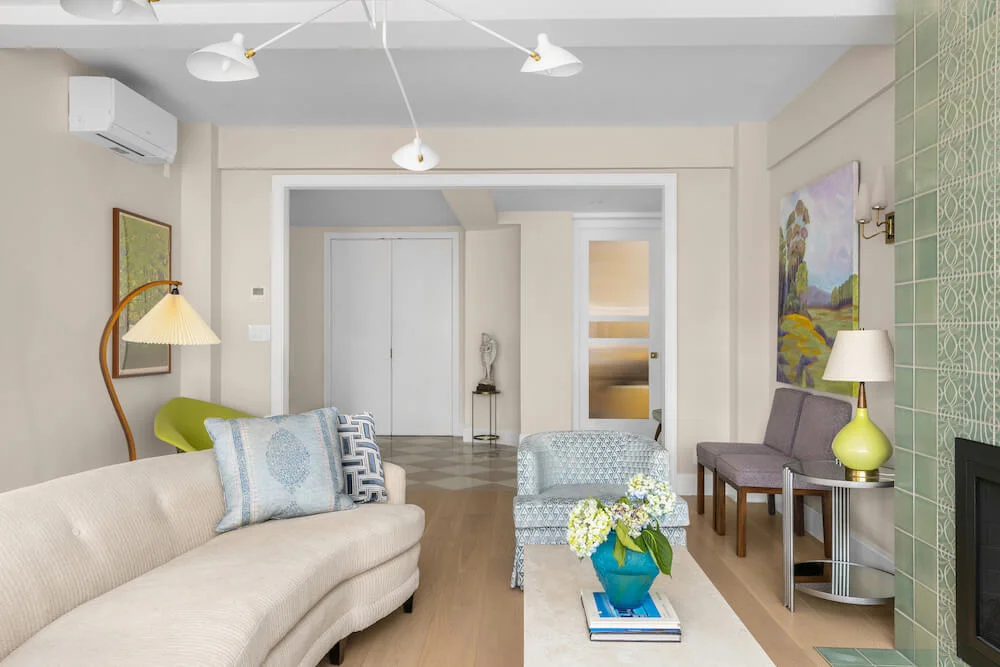
Four months later, we moved into an apartment that finally felt like ours. The finished home feels contemporary and personal, with room for cooking, entertaining, artwork, and music, while still nodding to the Art Deco character of the building.

Thank you, Lauren, for sharing your renovation story! We hope your Chelsea home is filled with many good meals, quiet piano moments, and plenty of time with friends.

Ready to renovate your home?

Post your project on Sweeten today and get matched with our vetted general contractors for free! Find endless home renovation inspiration, detailed guides, and practical cost breakdowns from our blogs.

Renovation materials

MASTER BATH RESOURCES: 

  • White herringbone floor tile: Tile Spark. 
  • Showerhead: YLiving for Graff. 
  • Faucet: Aquabrass. 
  • Sink and vanity: Duravit. 
  • Toilet: Toto. 
  • Lighting, West Slope hardware: Rejuvenation.

GUEST BATH RESOURCES: 

  • Parquet marble floor tile: Wayfair. 
  • White square subway wall tile: Heritage Tile. 
  • Lighting, West Slope hardware: Rejuvenation. 
  • Showerhead: YLiving for Graff. 
  • Faucet: Aquabrass. 
  • Toilet: Toto.

KITCHEN RESOURCES: 

  • Faucet: Grohe.

LIVING AREA: 

  • SAIC together pendant dining room light: CB2. 
  • Hamilton Blue Paint: Benjamin Moore.

Frequently asked questions

Yes, marble can be good for a bathroom because it brings a polished, timeless look to walls, floors, vanities, and shower areas. It does need proper sealing and regular care because marble is porous and can stain or etch.

Many homeowners choose Carrara marble and Calacatta marble because they offer a classic white or light stone look with natural veining. Carrara tends to feel softer and more subtle, while Calacatta often has bolder veining for a more dramatic bathroom design. Our blog on the difference between Calacatta and Carrara marble explains this in more detail.

The purpose of a pocket door is to save space by sliding into the wall instead of swinging open into a room. It works well in tight areas, hallways, bathrooms, and bedrooms where a standard hinged door may feel bulky or awkward.

You may also like

Renovate with Sweeten!

sweeten-magic

We’ll match you with vetted general contractors and offer support until your project is done — at no cost to you!

Start your renovation

Customer review 5.0

sweeten-thumbsup

“Sweeten was really helpful — we wouldn't have found our contractor without them, and the bid-leveling call was absolutely essential for us.”

— Dara R. from New York, NY

Read more reviews —>
Start your renovation
no-cost-blue

Subscribe to our
renovation newsletter